
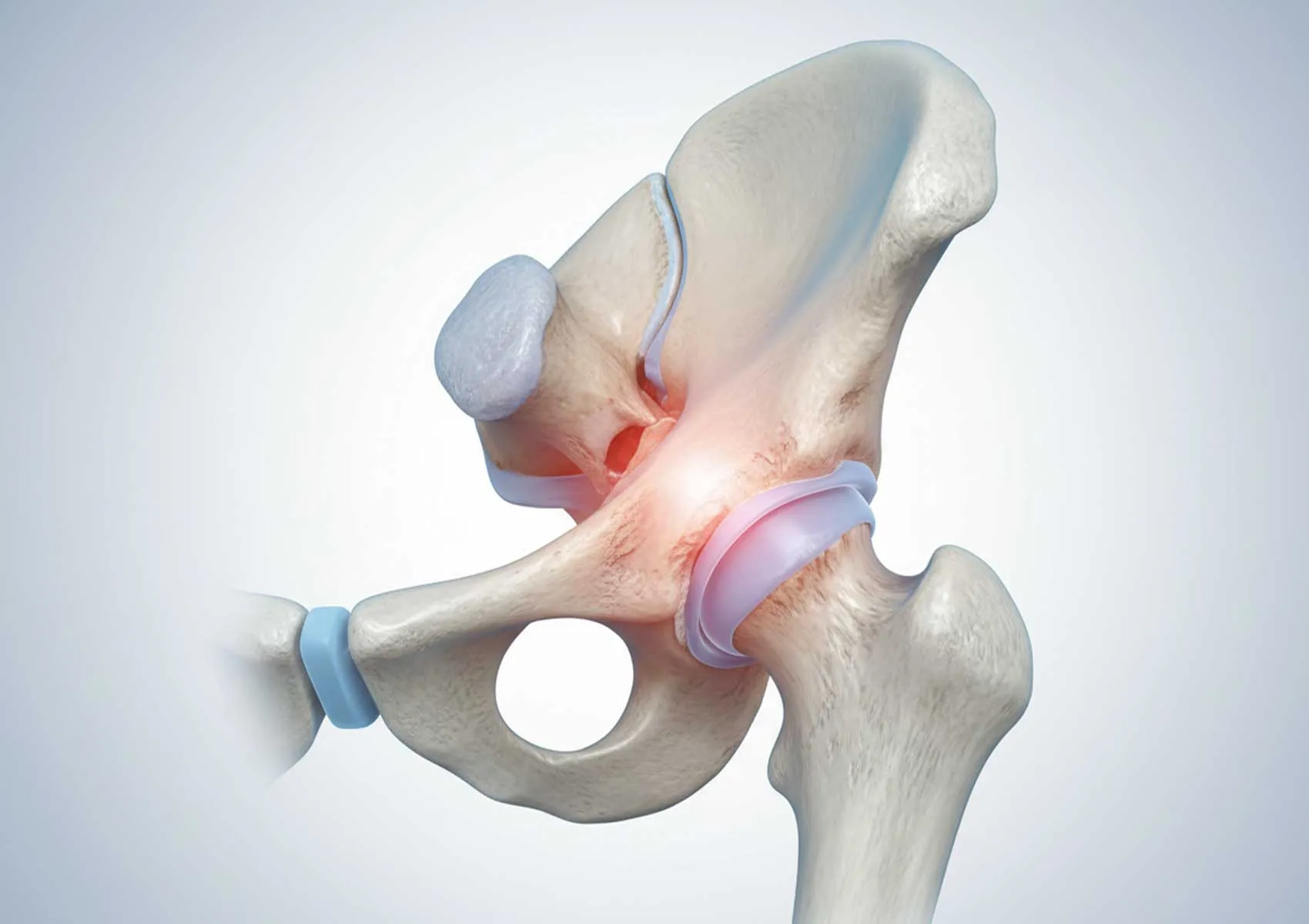
Femoroacetabular Impingement (FAI): Symptoms and Causes
Femoroacetabular impingement is a condition that causes pain due to bone mismatch in the hip joint.
Femoroacetabular impingement is a condition where abnormal contact occurs between the bones forming the hip joint during movement, due to structural deformities. Known as Femoroacetabular Impingement (FAI) in medical literature, this syndrome is a leading cause of hip pain especially among young and active individuals. The hip joint requires a perfect fit between the femoral head (thighbone) and the acetabulum (pelvic socket). However, extra bone growths can cause friction and impingement during movement, damaging joint structures.
If unrecognized and untreated early, this condition can cause wear on the joint cartilage and tears in the labrum — a cartilage rim resembling a seal. Commonly seen in athletes and physically active people, this disorder can be managed with accurate diagnosis and appropriate treatment methods.
What is Femoroacetabular Impingement (FAI)?
Femoroacetabular impingement (FAI) is a mechanical problem arising from anatomical variations in the ball-and-socket structure of the hip joint. Under normal conditions, the femoral head moves smoothly within the acetabulum without friction. In FAI, bone deformities cause contact between bones, especially during hip flexion and internal rotation movements.
These repetitive microtraumas can gradually damage the joint cartilage and the labrum. According to the American Academy of Orthopaedic Surgeons (AAOS), FAI does not always cause pain; however, intense physical activity can trigger symptoms in individuals with structural abnormalities.
Symptoms of FAI
The most prominent symptom of FAI is usually a deep, sharp pain felt in the groin area. Patients often indicate the pain’s location by placing their hand in a "C" shape on the side of their hip (the so-called "C sign"). The pain may worsen after prolonged sitting, when standing up, getting out of a car, or during sports activities.
The impact on daily life manifests as movement limitations. Simple actions requiring hip flexion, such as tying shoelaces or putting on socks, may become difficult. Patients may also experience sensations of catching, locking, or instability within the joint. For more details on how FAI affects daily life, please refer to our article on FAI’s impact on everyday activities.
Types of FAI: Cam, Pincer, and Mixed
Femoroacetabular impingement is classified into three major types based on the location of the bone deformity. This classification is crucial for treatment planning.
1. Cam Type Impingement: Characterized by a loss of the spherical shape of the femoral head, creating a bump that rubs against the rim of the acetabulum during movement. This type often causes cartilage damage and is more common in young males and athletes.
2. Pincer Type Impingement: Occurs when the acetabular rim is overly enlarged, covering too much of the femoral head. This leads to early contact between the femoral neck and the socket, compressing the labrum. It is more frequent in middle-aged women.
3. Mixed Type Impingement: Features both Cam and Pincer deformities simultaneously. Approximately 80% of FAI cases fall into this category.
The Relationship Between FAI and Hip Labral Tears
The hip labrum is a cartilage-like structure that surrounds the rim of the acetabulum and provides joint stability. In FAI, the abnormal bone contact places continuous stress on the labrum, leading to wear and eventually tears.
Hip labral tears are among the most common consequences of FAI and if left untreated, can cause joint instability. Damage to the labrum disrupts the sealing mechanism of the joint fluid and adversely affects load distribution across the cartilage surfaces.
How is FAI Diagnosed?
Diagnosis begins with a thorough patient history and physical examination. The physician will listen to pain complaints and perform specific provocation tests such as the FADIR test (Flexion, Adduction, Internal Rotation). Pain provoked during these tests suggests impingement syndrome. Differential diagnosis is important since symptoms can mimic other hip joint conditions.
Radiological imaging is essential for definitive diagnosis. X-rays can reveal Cam or Pincer deformities in the bone structure, while Magnetic Resonance Imaging (MRI) provides detailed images of soft tissue injuries and labral tears. Studies, particularly those indexed on PubMed, have shown that MR arthrography is highly sensitive for detecting labral tears.
Overview of Treatment Options for FAI
Treatment of femoroacetabular impingement is tailored based on symptom severity, degree of joint damage, and patient activity expectations. Approaches are divided into conservative (non-surgical) and surgical methods.
Conservative Treatment: In mild cases, activity modification, anti-inflammatory medications, and physiotherapy may be recommended. Physical therapy aims to strengthen the muscles around the hip to reduce joint load. Additionally, some biological therapies such as PRP and stem cell treatments can be used as supportive options.
Surgical Treatment: Surgery may be necessary for patients who do not respond to conservative measures or have significant bone deformities. The most commonly preferred method today is hip arthroscopy. The hip arthroscopy technique is minimally invasive and allows trimming of bone protrusions causing impingement and repair of labral tears if present.
Patient selection criteria for joint-preserving surgery are critical and well-defined. For detailed information, you can visit our pages on general information about femoroacetabular impingement and arthroscopic treatment of FAI.
This content is provided for informational purposes only and does not constitute professional medical advice, diagnosis, or treatment. If you have any health concerns or questions, please consult a qualified healthcare professional. The information contained herein is based on general medical sources and should not be used as a substitute for individualized care or treatment planning. Do not delay seeking medical attention based on this content.
FAQ
-
What is femoroacetabular impingement (FAI)?
Femoroacetabular impingement is a condition where abnormal contact and pinching occur between the femoral head (thighbone) and the pelvic socket (acetabulum) in the hip joint. This results from bone shape abnormalities and can cause hip pain.
-
What are the main symptoms of FAI syndrome?
The main symptoms of FAI include hip or groin pain, especially during sitting, squatting, or hip flexion. Movement limitation and sensations of catching or locking in the joint are also common. Symptoms can vary by individual; consult your doctor for an accurate diagnosis.
-
What do Cam and Pincer types of impingement mean?
Cam type involves extra bone growth on the femoral head or neck, while Pincer type involves excessive bone growth on the acetabular rim. Mixed type includes features of both conditions concurrently.
-
How is FAI diagnosed?
FAI is diagnosed through physical examination, patient history, and specific imaging methods such as X-rays and MRI. These tests help identify bone abnormalities and possible labral tears. Consultation with an orthopedic specialist is necessary for definitive diagnosis.
-
What happens if FAI is left untreated?
Untreated femoroacetabular impingement can lead to progressive cartilage damage and worsening labral tears. This increases the risk of developing hip osteoarthritis over time. It is important to consult a healthcare professional to establish an appropriate treatment plan.