
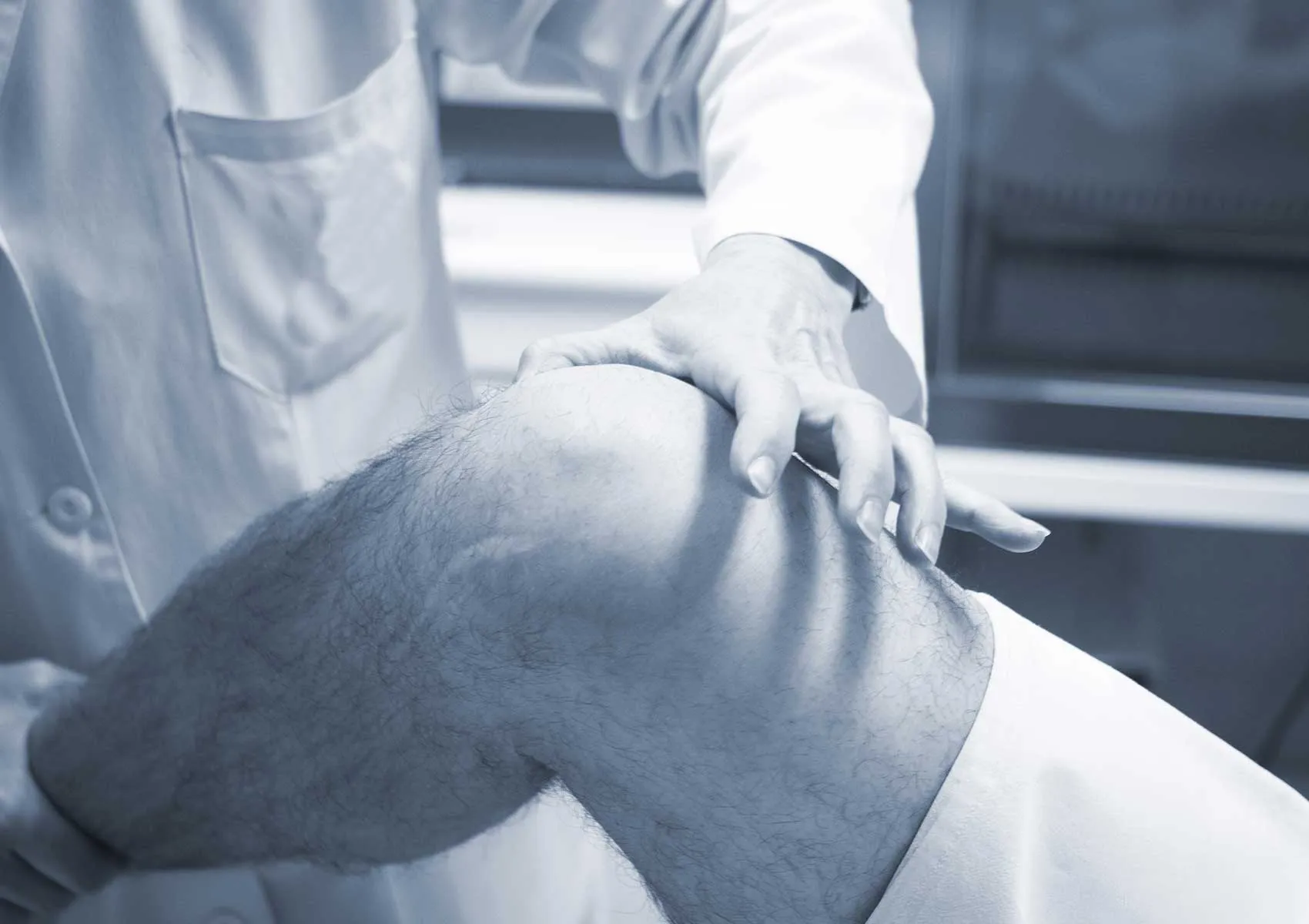
ACL Surgery: Everything You Need to Know
An anterior cruciate ligament (ACL) reconstruction is a surgical procedure aimed at restoring knee stability, improving joint function, and preserving long-term joint health.
Anterior cruciate ligament (ACL) injuries are among the most common knee issues, especially in athletes and active individuals. These injuries often occur due to sudden twisting or stopping movements, leading to knee instability and functional impairment. In such cases, to restore knee stability and enable safe return to activity, anterior cruciate ligament surgery may be considered. This comprehensive guide covers all essential information from understanding the ACL to the surgical process, recovery, and criteria for return to sports.
This surgical intervention involves replacing the torn ligament with a new tissue graft to reestablish the mechanical balance of the knee. Decisions regarding surgery, rehabilitation, and graft selection are carefully tailored to the individual patient. This article addresses frequently asked questions about anterior cruciate ligament surgery from a scientific and objective standpoint.
What Is the Anterior Cruciate Ligament and Its Function?
The anterior cruciate ligament (ACL) is one of the four main ligaments located centrally in the knee joint, connecting the thigh bone (femur) to the shinbone (tibia). Structurally resembling a strong rope, the ACL plays a crucial role in knee stability. Its primary function is to prevent excessive forward movement of the tibia relative to the femur and to avoid abnormal inward rotation of the knee. This stabilization is essential for activities like walking, running, and jumping.
The ACL also contributes to joint position sense, known as proprioception, sending signals to the brain about the joint’s orientation. Damage to the ACL disrupts this function, leading to a sense of insecurity in the knee and negatively impacting both daily activities and athletic performance.
Causes and Symptoms of Anterior Cruciate Ligament Tears
ACL tears usually happen through non-contact mechanisms. As noted by the Mayo Clinic, injuries frequently occur during sudden directional changes, abrupt stopping, unbalanced landings after jumps, or excessive knee stretching. Sports such as soccer, basketball, and skiing involve these high-risk movements, making ACL injuries more common in these disciplines.
Common symptoms of ACL rupture include:
- A “pop” sound: A distinct snapping noise or sensation at injury moment.
- Severe pain: Immediate pain that inhibits continued activity.
- Rapid swelling: Noticeable knee swelling within hours.
- Limited mobility: Difficulty in fully bending or straightening the knee.
- Instability: A feeling of the knee "giving way" or slipping under load.
ACL injuries may coincide with damage to other knee structures, such as meniscal tears, which often require treatment (meniscal tear treatment details). Accurate diagnosis relies on thorough clinical examination and imaging, typically MRI.
When Is Anterior Cruciate Ligament Surgery Necessary?
Not all ACL tears require surgical intervention. The decision depends on factors such as the patient’s age, activity level, occupation, degree of knee instability, and presence of additional injuries like meniscus or cartilage damage. Surgery is often recommended for younger, active individuals aiming to return to sports, to eliminate instability and reduce the risk of future joint damage.
The primary goal of surgery is to restore knee stability, allowing safe return to daily and sports activities. Non-surgical treatments like physical therapy and bracing may be considered for patients with lower activity demands, minimal instability, or those unsuitable for surgery. A detailed discussion between the patient and orthopedic specialist regarding expectations and goals is essential before deciding treatment.
Surgical Techniques Used in ACL Reconstruction
Today, anterior cruciate ligament surgery is primarily performed arthroscopically. Arthroscopic surgery uses a small camera and specialized instruments through a few small incisions, minimizing tissue damage. This approach offers advantages including less postoperative pain, faster recovery, and improved cosmetic outcomes. For further information, see arthroscopic surgery and ACL reconstruction.
During surgery, the torn ligament remnants are removed, and a graft is positioned through bone tunnels drilled in the femur and tibia, fixed with screws or devices. Over time, this graft integrates biologically to function as the new ligament.
Graft Options: Autograft vs. Allograft
Selecting the graft type is a critical decision in ACL reconstruction. According to the American Academy of Orthopaedic Surgeons (AAOS), two main graft types are used:
1. Autograft: Tendons harvested from the patient's own body, commonly the patellar tendon, hamstring tendons, or quadriceps tendon. Autografts reduce the risk of rejection and generally heal biologically faster.
2. Allograft: Tendons obtained from donor tissue banks. Allografts reduce surgery duration and avoid additional incisions on the patient but may have slower biological incorporation and carry a very low risk of disease transmission.
Postoperative Recovery and Rehabilitation
Recovery after anterior cruciate ligament surgery is an extended process requiring patience and dedication. The success of the surgery depends largely on adherence to a structured rehabilitation program. Although recovery rates vary individually, it generally progresses through distinct phases. Detailed information can be accessed at detailed ACL injury information.
- Initial Weeks (0-6 weeks): Focus on pain and swelling control, restoring knee range of motion, and wound healing. Use of crutches and simple muscle activation exercises are standard.
- Early Phase (6 weeks - 3 months): Discontinue crutches and normalize gait. Strengthening exercises increase in intensity. Begin balance and proprioception training.
- Mid Phase (3-6 months): Progress to advanced strengthening and endurance activities. Light jogging and dynamic activities may start with medical clearance.
- Late Phase (6-9+ months): Initiation of sport-specific drills including cutting and jumping movements, gradually introduced with supervision.
The Role of Physiotherapy and Rehabilitation
Physiotherapy is a fundamental component of recovery after ACL surgery. Functional restoration of the grafted ligament is only possible through a consistent and well-designed rehabilitation regimen. Generally, rehabilitation for sports injuries involves long-term disciplined effort.
Key rehabilitation goals include:
- Regaining full knee range of motion.
- Strengthening leg muscles, particularly quadriceps and hamstrings.
- Improving balance, coordination, and proprioception.
- Facilitating safe return to daily activities and sports.
In some cases, non-surgical knee treatments may complement rehabilitation. Therapy should always be supervised by experienced physiotherapists in coordination with the surgeon.
Returning to Sports After ACL Surgery
Return to sports is among the most commonly asked questions post-ACL surgery. This decision does not rely solely on elapsed time but on meeting specific functional criteria designed to objectively assess knee readiness for sports stresses. For an in-depth guide, see Return to Sports After ACL Surgery.
Typical criteria for returning to sport include:
- Less than 10% strength difference between operated and healthy leg.
- Absence of pain and swelling.
- Full knee range of motion.
- Successful completion of running, jumping, and agility tests.
- Psychological readiness for sport participation.
Premature or uncontrolled return to sports increases re-injury risk. Patience and adherence to medical advice are essential throughout recovery. Awareness of common exercise errors and prevention in athletes can further reduce injury recurrence.
Possible Risks and Complications
As with any surgical procedure, anterior cruciate ligament surgery involves risks and potential complications. Studies indexed in PubMed confirm that although modern surgical techniques and postoperative care minimize these risks, they cannot be completely eliminated.
Potential risks include infection, deep vein thrombosis, anesthesia-related events, joint stiffness (arthrofibrosis), graft failure or re-rupture, and chronic pain. While incidence rates are low, surgical teams take all precautions to mitigate these risks. Your surgeon will provide detailed information tailored to your case before surgery. Learning about common knee injuries and prevention in athletes can also help in understanding risk factors.
Conclusion
Anterior cruciate ligament surgery is an effective surgical method to correct knee instability, helping patients return to an active lifestyle. Surgical success depends not only on the operative technique but also on the patient’s commitment to postoperative rehabilitation. Decisions regarding graft type, rehab protocols, and timing of return to sport should be carefully individualized. Collaborating closely with an experienced orthopedic surgeon and physiotherapist is crucial to achieving optimal outcomes.
This content is for informational purposes only. The information provided does not substitute for a personal examination or diagnosis by a qualified medical professional. If you have any questions or concerns about a medical condition, always consult your doctor or another qualified healthcare provider. Never disregard or delay medical advice based on the information found on this website.
FAQ
-
Why is anterior cruciate ligament surgery performed?
Anterior cruciate ligament (ACL) surgery is done to fix the knee instability caused by a torn ligament, restore normal knee function, and prevent long-term damage to other joint structures like the meniscus and cartilage. Maintaining knee stability is especially important for active individuals and athletes.
-
How long does the recovery process take after surgery?
Recovery times vary between individuals, but full functional recovery and a safe return to sports typically take 9 to 12 months. This gradual rehabilitation includes managing pain and swelling in the initial weeks and regaining muscle strength and joint control over the following months.
-
What are the risks of anterior cruciate ligament surgery?
As with any surgery, ACL reconstruction carries potential risks such as infection, blood clots, reactions to anesthesia, knee stiffness, graft failure, or re-injury. These complications are rare, but it is important to discuss all possibilities with your doctor before surgery.
-
When can I return to sports after surgery?
The return to sports depends not only on time but also on functional test results. Typically, patients who successfully pass strength, balance, and agility tests can consider returning to sports after 9 to 12 months or longer. This decision should always be made by the surgeon and physical therapist overseeing your care.
-
What graft options are used in anterior cruciate ligament surgery?
There are two main types of grafts used: tendons taken from the patient’s own body (autografts) or tendons from a donor (allografts). The most common autografts are hamstring or patellar tendons. The choice of graft depends on factors like the patient’s age, activity level, and the surgeon’s preference.