
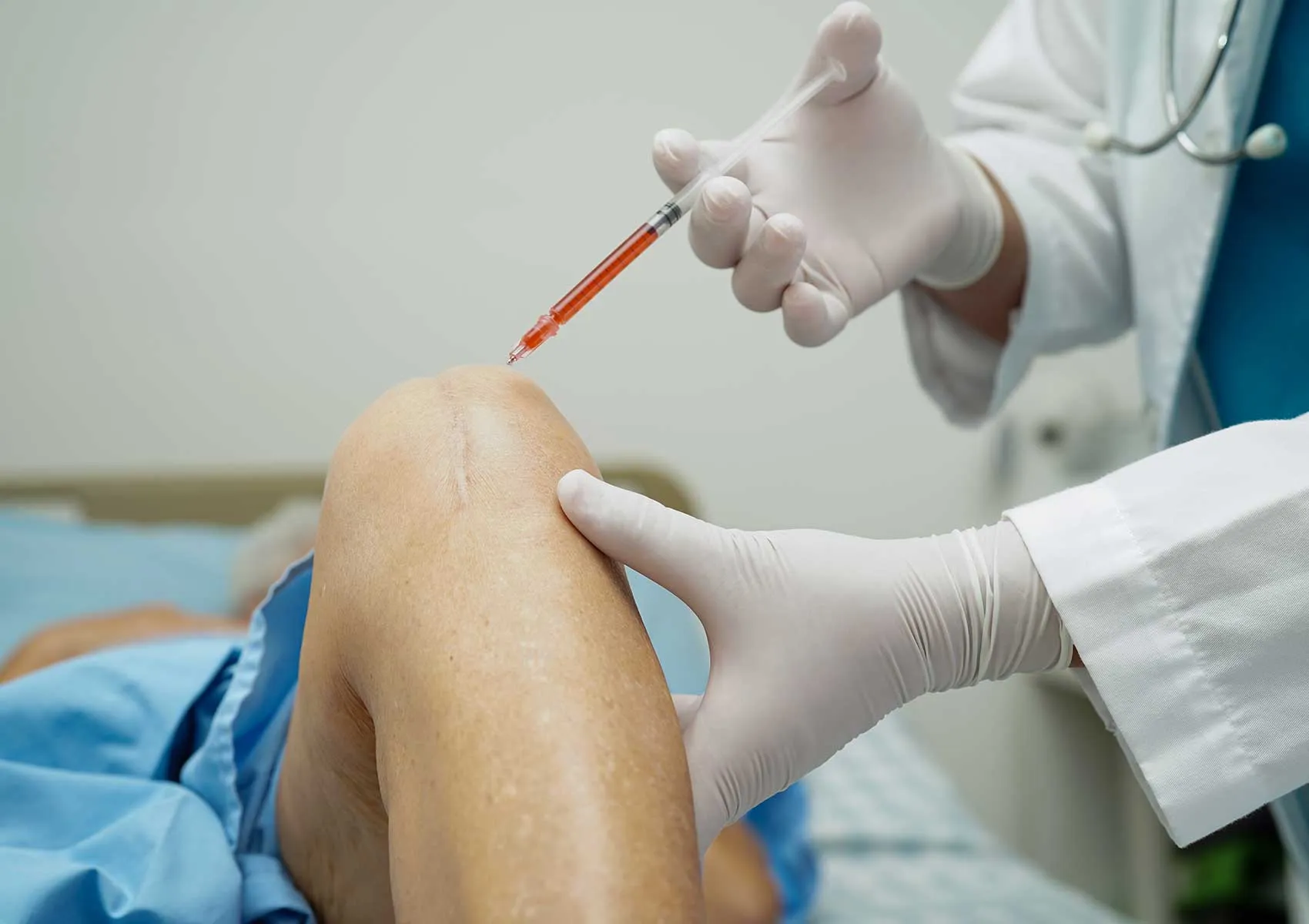
Cellular therapies are treatments that inject biological products prepared from a person's own blood or tissue (PRP or preparations containing stem cells) into a problem area to support the body's repair processes. In orthopaedics they are used mainly for joint osteoarthritis, cartilage damage and tendon or ligament injuries, usually alongside physiotherapy and other measures.
With advancing medical technologies, cellular therapies that support healing by utilizing the body's own regenerative power have gained significant attention in recent years. Especially PRP (Platelet Rich Plasma) and stem cell therapies are frequently preferred in tissue repair, skin rejuvenation, and treatment of orthopedic disorders.
What is PRP (Platelet Rich Plasma) Therapy?
PRP is applied by drawing a small amount of blood from the individual, processing it through special procedures to separate the platelet-rich part, and injecting it into the target area. Platelets contain growth factors and healing proteins. For this reason PRP is used in different fields of medicine, for example:
- Skin rejuvenation and elasticity,
- Reducing hair loss,
- Supporting the healing process in joint and muscle injuries.
When is PRP used in orthopaedics?
- Early to moderate knee osteoarthritis
- Joint pain related to cartilage damage
- Chronic tendon problems such as tennis elbow or patellar tendinopathy
- Partial ligament and muscle injuries
- As a supportive measure in some arthroscopic procedures
The scientific evidence differs by indication: it is stronger for some conditions and limited for others, so PRP is not suitable for every kind of pain. For a fuller explanation, read what PRP therapy is, how it differs from stem cells and what to expect.
What is Stem Cell Therapy?
Stem cells are special cells that have the ability to transform into various cells of the body. In this treatment method, stem cells taken from the person's fat tissue or bone marrow are injected into the problematic tissue to support cellular regeneration. Stem cell therapy is used especially in:
- Joint and cartilage damage,
- Musculoskeletal system diseases,
- Skin rejuvenation applications,
- Cosmetic procedures.
The preparations used in orthopaedics are made by processing and concentrating a sample of bone marrow or fat; besides stem cells they contain other cells and biological factors. Their aim is to improve the joint environment and reduce symptoms; they have not been shown to regrow lost cartilage. Treatment is planned within the applicable health regulations and current evidence. Our article on the scientific facts about knee stem cell therapy explains this further.
PRP or stem cells?
PRP is prepared from blood and given in a short, single-session procedure. Stem cell-based treatments first require a bone marrow or fat sample, so the procedure is more involved. Which option fits depends on the stage of the condition, age, expectations and previous treatments. See knee stem cell therapy vs PRP for a comparison.
Who Is Eligible?
Cellular therapies can generally be applied to individuals over the age of 18 who do not have serious systemic diseases. Eligibility should be determined through a detailed examination and doctor's evaluation.
They may be unsuitable, or need to be postponed, in the following situations:
- Active infection at the injection site or elsewhere in the body
- Bleeding disorders or a low platelet count
- Active cancer treatment
- Pregnancy
- Use of blood thinners (assessed individually)
More detail is available in who is not suitable for PRP treatment.
Assessment and diagnosis
The decision starts with identifying the true source of the pain. The examination looks at movement, swelling and tenderness. Standing X-rays show the stage of osteoarthritis, while MRI helps assess cartilage, meniscus, ligaments and tendons; blood tests are requested when needed. The aim is to decide whether a cellular therapy, physiotherapy or a surgical option is the most appropriate.
How is the treatment performed?
For PRP, a small amount of blood is taken from the arm, spun in a centrifuge to separate the platelet-rich plasma, and injected into the target area under sterile conditions in the same session, with ultrasound guidance where useful.
For stem cell-based treatments, bone marrow is taken from the pelvis or fat from the abdomen or thigh under local anaesthesia; the sample is processed and then injected into the joint or target tissue. This is sometimes combined with an arthroscopic procedure.
The number of sessions and the interval between them depend on the method and the condition treated; one injection may be enough, or a short series may be planned.
Advantages and Limitations of Cellular Therapies
- Since the patient's own blood or tissue is used, the risk of allergic reactions is low.
- They are injection-based and do not require a surgical incision; the aim is to support the body's own repair processes.
- Most people return to daily life shortly after the procedure.
There are limits too: the effect usually develops over weeks rather than immediately, response varies from person to person, and not everyone benefits. In mechanical problems such as advanced osteoarthritis, a displaced meniscus tear or a complete ligament rupture, injections alone may not be enough.
After the procedure
For the first few days there may be temporary pain, a feeling of fullness or mild swelling at the injection site. Strenuous activity is usually paused for a short time, and you may be asked to avoid certain painkillers for a period. Daily activities generally resume quickly, while return to sport is planned step by step. Cellular therapies tend to be most meaningful when combined with a strengthening and physiotherapy programme.
Risks and side effects
These treatments are generally well tolerated, but as with any procedure there are some risks:
- Temporary pain, swelling or bruising at the injection site
- Infection, which is rare
- Tenderness and bruising where bone marrow or fat was taken
- The expected benefit not being achieved
Read are there side effects of PRP therapy for more information.
When is surgery considered?
Cellular therapies do not replace surgery; they can be an option for the right patient at the right time. Meniscus tears that cause locking, ligament ruptures that cause instability, significant cartilage defects or malalignment may require arthroscopic repair, cartilage surgery or an osteotomy. See our cartilage diseases page for treatments of cartilage problems.
When should you see an orthopaedic specialist?
- Joint pain lasting several weeks that limits daily life
- Knee or hip pain that worsens on stairs, when squatting or on long walks
- Tendon or muscle pain that persists after a sports injury
- Recurrent swelling, locking or giving way of the knee
- Joint swelling with fever, redness and warmth (this needs urgent assessment)
An examination is needed to judge whether a cellular therapy suits you; you can arrange one through our contact page.
This article is for general information only; diagnosis and treatment decisions are made individually after examination and the necessary tests.
Frequently asked questions
What is PRP therapy and how is it done?
PRP is plasma rich in platelets, prepared from your own blood and injected into the affected area. Blood is drawn from the arm, spun in a centrifuge and the separated plasma is injected under sterile conditions in the same session. The procedure is usually short and most people resume daily activities the same day.
Does PRP help knee pain?
PRP is mainly considered to reduce pain in early to moderate knee osteoarthritis. Response varies from person to person and the effect usually develops over weeks. In advanced arthritis or mechanical problems it may not be enough on its own; suitability is decided after examination and imaging.
PRP or stem cells for the knee?
PRP is prepared from blood and given in a short procedure. Stem cell-based treatments first require a bone marrow or fat sample, so the process is more involved. The choice depends on the stage of the condition, age, expectations and previous treatments, and is made individually.
How many PRP sessions are needed?
The number of sessions depends on the condition and the method used. Sometimes a single injection is considered sufficient; in other cases a few sessions are planned at intervals. The plan is set individually after examination.
Do cellular therapies have side effects?
The most common side effects are temporary pain, swelling or bruising at the injection site for a few days. Infection is rare. With stem cell-based treatments there may also be tenderness where bone marrow or fat was taken. It is also possible that the expected benefit is not achieved.

Articles on this topic
 Hyaluronic Acid Knee Injections: Who Benefits, How Long?
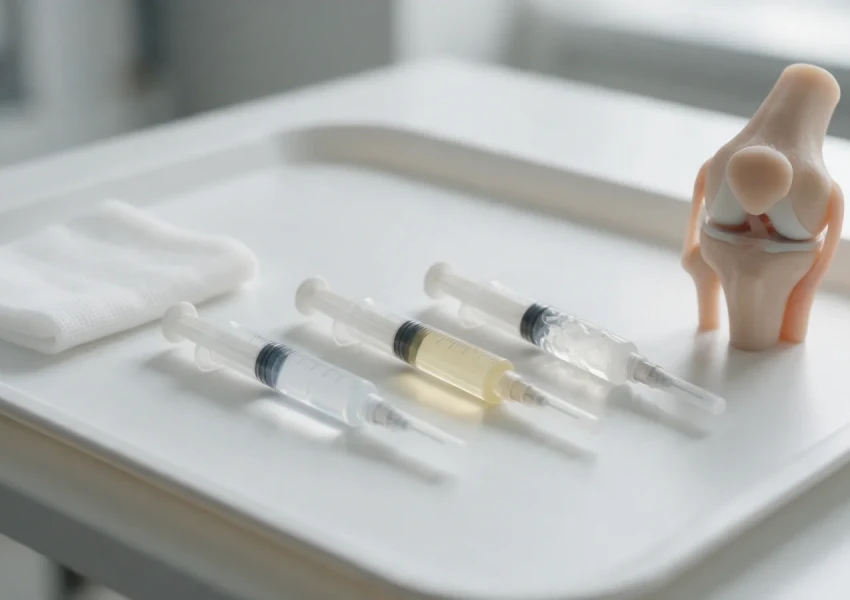 Knee Injections Compared: PRP, Hyaluronic Acid and Cortisone
 Exosome Therapy in Orthopedics: What Does the Evidence Show?
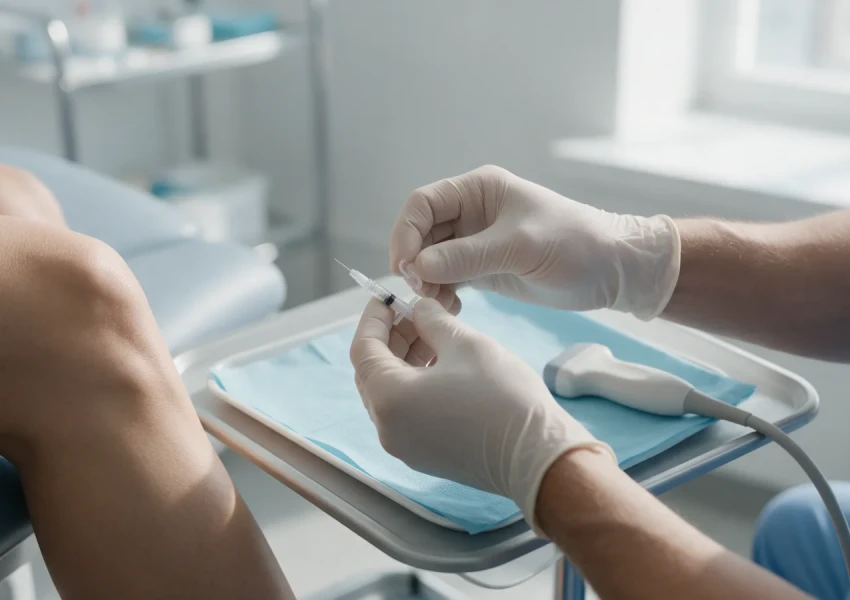 What Is Prolotherapy? Evidence and How It Differs From PRP
 What Does a Cortisone Shot Do? A Joint Injection Guide
 What Is PRP Therapy? Differences from Stem Cells and What to Expect