
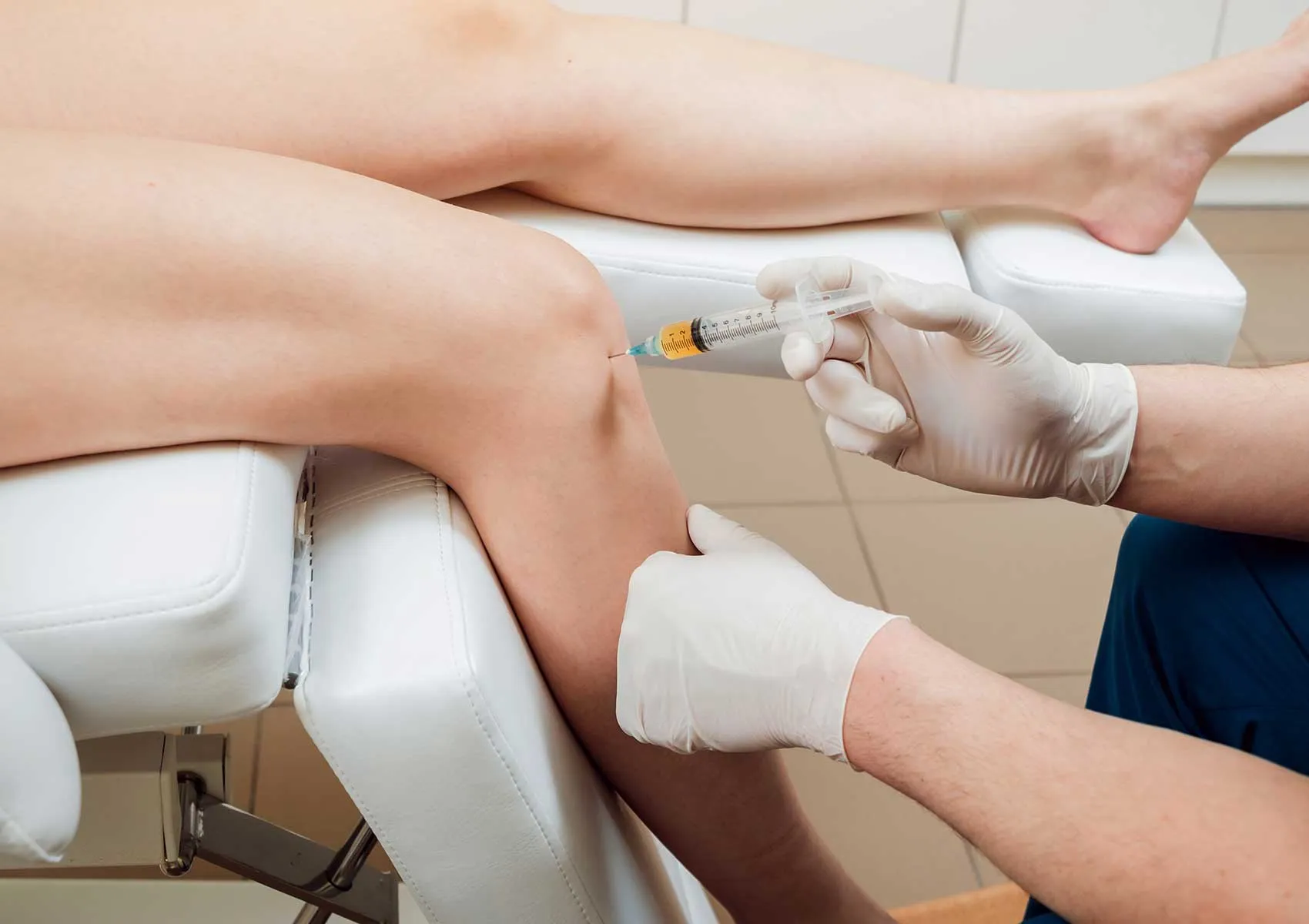
Knee Stem Cell Therapy vs PRP: Key Differences and Comparison
Regenerative medicine applications are increasingly important in addressing orthopedic problems. Especially for patients seeking non-surgical options for knee joint osteoarthritis, meniscal tears, and cartilage damage, biological methods offer promising alternatives. Leading among these are knee stem cell therapy and PRP (Platelet Rich Plasma). While both treatments aim to activate the body’s natural healing mechanisms, they differ significantly in their mode of action and areas of use.
Patients often ask, "Is PRP or stem cell therapy better for the knee?" There is no one-size-fits-all answer; the optimal treatment varies according to the patient’s age, extent of damage, and activity level. Understanding these methods, classified under cellular therapies, is crucial for making informed decisions during treatment planning.
Introduction – Overview of Biological Treatments
Biological treatments support tissue repair and reduce pain in musculoskeletal disorders. Unlike conventional drugs that primarily suppress symptoms, these therapies promote biological healing of damaged tissue. The two most commonly used options today are PRP obtained from the patient's own blood, and stem cell applications derived from bone marrow or adipose tissue. The main goal is to improve the joint environment, thereby delaying or avoiding the need for surgery.
What is Knee Stem Cell Therapy?
Knee stem cell therapy involves injecting undifferentiated progenitor cells (mesenchymal stem cells) into the damaged area. These cells have the potential to develop into cartilage, bone, or connective tissue cells under suitable conditions. Stem cell therapy offers significant potential for tissue regeneration especially in cartilage injuries.
These cells are typically harvested from the patient’s pelvic bone (bone marrow-derived) or from fat tissue around the abdomen. Samples undergo specialized processing to concentrate stem cells before injection into the knee joint.
The step-by-step application of knee stem cell therapy is detailed in the flowchart below.
Key benefits of stem cell treatment include strong anti-inflammatory effects and the ability to trigger signals initiating tissue repair. This therapy is especially suitable for advanced osteoarthritis or extensive cartilage loss where higher biological support is necessary.
What is PRP (Platelet Rich Plasma)?
PRP is plasma enriched with platelets obtained from the patient’s own blood. Platelets not only help blood clot but release growth factors that initiate the healing cascade.
The applications of PRP treatment are broad; tendon injuries, muscle tears, and early-stage joint osteoarthritis are common indications. During the procedure, blood is drawn from the patient, centrifuged to separate components, and the concentrated platelet-rich plasma is injected into the injured area.
A medical diagram below illustrates PRP’s application to the knee and its mechanisms.
PRP is a simpler procedure compared to stem cell therapy, often performed in an outpatient setting. Its primary effect is to accelerate healing of existing tissues and reduce inflammation causing pain. Unlike stem cells, PRP cannot transform into other cell types; hence, it is viewed more as a "healing stimulant" rather than a direct "repair" treatment.
Comparison of PRP and Stem Cell Therapy
For patients, the most critical aspect is understanding the differences between these two treatments. Both are classified as non-surgical joint therapies, but their biological potentials differ.
The comparison table below summarizes the key characteristics and distinctions of PRP and stem cell therapy.
In summary, PRP primarily plays a signaling and acceleration role, whereas stem cell therapy acts as a "building block" with a stronger reparative effect.
Which Treatment is More Suitable for Which Condition?
Treatment selection should be based on a comprehensive evaluation of the patient’s clinical presentation, imaging findings, and expectations. The anatomical structure of the knee and targeted treatment areas are decisive factors.
The image below displays the knee anatomy and critical zones for these therapies.
General guidelines are:
- PRP Treatment: Often preferred for early to moderate osteoarthritis (Stages 1-2), chronic tendinitis, mild meniscal degeneration, and to support healing after sports injuries.
- Stem Cell Therapy: Indicated in moderate to advanced osteoarthritis (Stages 3-4), large cartilage defects, and serious conditions such as avascular necrosis.
Additionally, these biological methods can complement surgery in cases like anterior cruciate ligament injuries or meniscal repairs to enhance recovery.
A decision tree below helps identify the most appropriate treatment based on patient profiles.
Risks and Side Effects
Since both treatments use autologous tissues, allergic reactions or tissue rejection are not expected. However, as with any medical procedure, potential risks exist:
- Temporary pain and swelling at the injection site
- Rare infection risk (strict sterile protocols are essential)
- Mild pain or bruising at donor site during stem cell harvesting (bone marrow or fat aspiration)
Safe administration requires an experienced orthopedic specialist performing the procedure under strict aseptic conditions.
Evidence-Based Outcomes
Scientific literature on the efficacy of biological treatments is expanding rapidly. Research from the *American Academy of Orthopaedic Surgeons (AAOS)* and *PubMed* databases shows that PRP and stem cell therapies significantly reduce pain scores and improve joint function, especially in early osteoarthritis.
Studies on hip arthroscopy and biological treatments report similarly positive outcomes. However, these treatments are not "miracle cures"; patient selection remains the most critical success factor according to scientific consensus.
Conclusion and Medical Disclaimer
Knee stem cell therapy and PRP are valuable biological tools offered by modern orthopedics. PRP is mainly used to suppress inflammation and trigger healing, while stem cell therapy provides repair potential in deeper tissue damage. Determining which treatment is best suited for you requires thorough clinical and radiological evaluation in collaboration with your physician. For more information and personalized assessment, consulting a specialist is essential. Learn more about non-surgical knee treatments.
This content is for informational purposes only and contains general medical information. It does not replace professional medical advice, diagnosis, or treatment. Always consult a qualified healthcare provider with any questions regarding your health or treatment options. Diagnosis and treatment plans are personalized and based on individual medical examination by a healthcare professional.
FAQ
-
What is knee stem cell therapy and how is it performed?
Knee stem cell therapy aims to repair damaged cartilage or tissues by utilizing the body's natural healing potential. It is usually done by injecting stem cells taken from the patient's own fat or bone marrow into the knee. The treatment plan should be determined by a specialist based on the patient's condition.
-
Which is more effective for knee pain and damage: PRP or stem cell therapy?
The effectiveness of PRP and stem cell therapies depends on the type and severity of knee damage. PRP is typically preferred for mild to moderate cartilage damage and inflammation, while stem cell therapy may be considered for more advanced damage. It is important to consult an orthopedist to determine the best treatment option.
-
What are the potential benefits of knee stem cell therapy?
Potential benefits of knee stem cell therapy include pain reduction, improved joint function, and support in repairing damaged tissues. However, individual responses can vary, and treatment outcomes differ from person to person.
-
Are there any side effects or risks of knee stem cell therapy?
As with any medical procedure, knee stem cell therapy carries potential side effects and risks. These may include pain, swelling, infection at the injection site, or rarely allergic reactions. It is important to discuss the risks and benefits with your doctor in detail.
-
What are the main differences between stem cell therapy and PRP?
Stem cell therapy uses undifferentiated cells with high regenerative capacity, while PRP (Platelet-Rich Plasma) involves plasma rich in platelets that aid blood clotting. Stem cells have a broader potential for tissue repair, whereas PRP mainly focuses on reducing inflammation and accelerating healing. A specialist should determine which treatment is appropriate for you.