
Hip Labrum Tear: Symptoms, Diagnosis, and Treatment Options
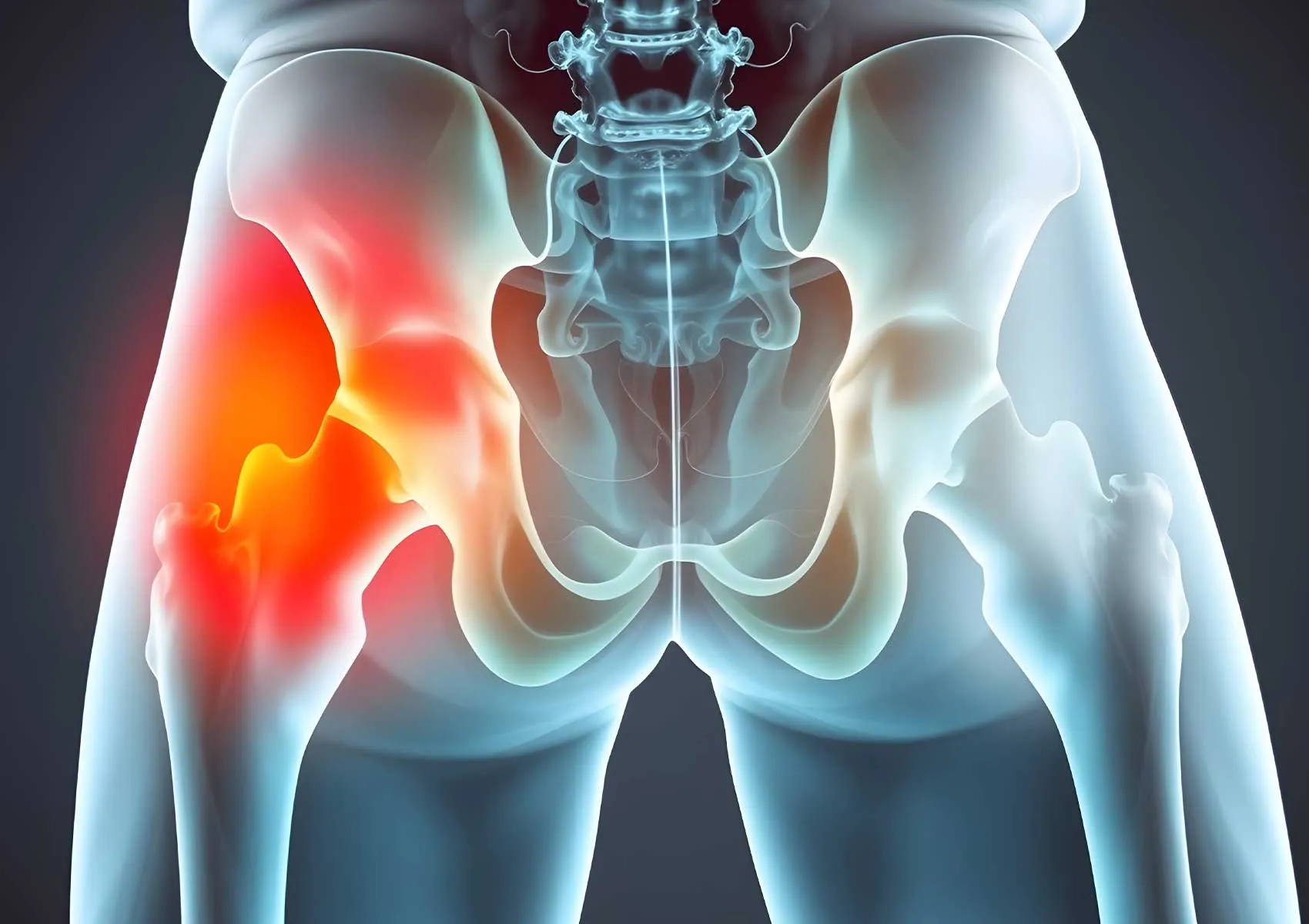
The hip joint is one of the body’s most mobile and load-bearing joints. One of the key stabilizing structures of this joint is a ring of cartilage known as the labrum. A hip labral tear is a condition frequently encountered among athletes and physically active individuals, characterized by deep groin pain and sensations of mechanical catching. Early diagnosis and appropriate treatment are essential for preserving joint health and preventing long-term complications such as osteoarthritis.
This guide covers the causes, symptoms, diagnostic methods, and current treatment options for hip labral tears based on scientific evidence. Whether you’re a professional athlete or someone experiencing hip pain in daily life, having accurate information can improve treatment outcomes.
Anatomy and Functions of the Hip Labrum
The hip joint is a ball-and-socket joint formed between the head of the femur and the acetabulum of the pelvis. The labrum is a fibrocartilaginous ring surrounding the rim of the acetabulum. It functions similar to a gasket, expanding the surface area for the femoral head to fit securely while creating a vacuum effect that enhances joint stability.
The detailed anatomy and positioning of the acetabular labrum are illustrated in the diagram below.
The labrum’s main functions include regulating synovial fluid distribution for cartilage nourishment and evenly distributing weight loads across the joint. Due to these critical roles, damage to the labrum can disrupt the joint’s biomechanics. For more detailed anatomical information, please visit our hip anatomy and labral tears page.
What is a Hip Labral Tear?
A hip labral tear refers to damage to the cartilage ring surrounding the acetabulum. Tears can result from traumatic events (falls, impacts), repetitive microtrauma related to sports activities, or structural abnormalities. Activities involving excessive hip rotation such as soccer, ice hockey, golf, and ballet increase the risk of labral tears, which fall under the category of sports injuries.
The mechanism of tear development and differences between healthy and torn tissue are illustrated in the image below.
Labral tears are classified into several types based on their structural characteristics. Common patterns include radial flap tears, radial fibrillation, or longitudinal peripheral tears. The tear type plays a crucial role in deciding the optimal treatment approach. A visual overview of different tear types is provided in the following illustration.
Symptoms of Hip Labral Tear
Symptoms associated with hip labral tears vary among patients. Some tears may be asymptomatic, while others cause substantial discomfort affecting quality of life. The most frequent symptom is a deep, sharp pain located in the groin or front of the hip. This pain often worsens after prolonged sitting, during walking, or physical activity.
Although similar to general hip joint disorders, specific mechanical symptoms indicative of labral tears include:
- A sensation of catching, locking, or clicking in the hip joint.
- Restricted range of motion, particularly during internal rotation.
- Feelings of instability or giving way in the hip.
- Night pain and discomfort when lying on the affected side.
Diagnostic Methods
Diagnosis begins with a thorough patient history and comprehensive physical examination. The physician assesses hip range of motion and performs impingement tests (FADIR, FABER) to provoke pain. Physical exam alone may not provide a definitive diagnosis, so imaging techniques are essential.
Standard X-rays can identify bony abnormalities (such as femoroacetabular impingement) but do not visualize soft tissues like the labrum. Magnetic Resonance Arthrography (MRA) is considered the "gold standard" for confirming labral tears. This involves injecting contrast dye into the joint to provide clear, detailed images of the labrum and tear characteristics.
The imaging methods used in the diagnostic process and their findings are demonstrated in the image below.
Treatment Options
Treatment is individualized based on the patient’s age, activity level, symptom severity, and underlying causes. Initial management typically involves conservative methods, but surgical intervention is considered in cases with structural issues (like femoroacetabular impingement) or insufficient response to non-surgical measures.
Conservative Treatment
The initial goal is to reduce pain and preserve joint function through non-surgical options:
- Activity Modification: Temporarily avoiding movements and sports that exacerbate pain.
- Medication: Use of non-steroidal anti-inflammatory drugs (NSAIDs) to control swelling and pain.
- Physical Therapy: Targeted exercises to strengthen hip muscles, improve flexibility, and enhance joint stability.
Surgical Approaches (Arthroscopy)
Surgery may be necessary for patients who do not improve with conservative treatment or who have significant mechanical symptoms. The most common technique is hip arthroscopy, a minimally invasive procedure using small incisions to insert a camera and instruments to repair (refix) or clean (debride) the torn labrum.
If labral damage is caused by bony impingement, simultaneous arthroscopic treatment of femoroacetabular impingement can address the root cause during the same procedure.
The phases of the arthroscopic surgical procedure are summarized in the following flowchart.
Biological Treatments (PRP, Stem Cells)
Recently, regenerative medicine approaches have been added to treatment options to support tissue healing. PRP and stem cell therapies involve injecting healing cells derived from the patient’s own blood or tissues into the damaged area. These methods may complement surgery or help relieve symptoms in early-stage tears.
Recovery and Rehabilitation
The recovery period after surgery varies depending on the procedure performed, but it requires a disciplined rehabilitation program. Patients usually begin walking with crutches on the day of or the day after surgery. Following sports injury rehabilitation protocols, early passive exercises are performed to maintain joint range of motion during the initial weeks.
In subsequent weeks, strengthening and balance exercises are introduced. Return to sport typically takes 4-6 months for professional athletes. Working with a physiotherapist and adhering to medical follow-ups is essential for successful outcomes.
Basic exercises and rehabilitation phases after labral tear treatment are shown in the image below.
Hip labral tears can be effectively managed with accurate diagnosis and modern treatment methods. If you experience hip pain, consulting an orthopedic specialist early is important to preserve joint health.
This content is provided for informational purposes only and does not constitute professional medical advice, diagnosis, or treatment. Always consult your physician or a qualified healthcare professional regarding any health concerns. Do not disregard or delay seeking medical attention based on the information provided on this site.
FAQ
-
What is a hip labrum tear?
It is a tear of the cartilage structure called the labrum in the hip joint, caused by various factors. These tears can negatively affect the stability and function of the hip joint. It is recommended to consult a specialist for detailed information.
-
What are the symptoms of a hip labrum tear?
The main symptoms include groin pain, clicking or locking sensation in the hip, limited movement, and discomfort during prolonged sitting. Pain usually worsens with activity. It is important to see a doctor for an accurate diagnosis.
-
How is a hip labrum tear diagnosed?
Diagnosis is made through a physical exam, patient history, and imaging tests (X-ray, MRI, arthrography). Magnetic resonance arthrography (MRA) is particularly accurate for detecting labrum tears. A specialist’s evaluation is essential for a correct diagnosis.
-
What treatment options are available for a hip labrum tear?
Treatment depends on the size of the tear, symptoms, and the patient’s activity level. Options include conservative methods (rest, medication, physical therapy) or surgical intervention (arthroscopic repair or debridement). Consult your doctor for treatment choices.
-
What is the recovery process after hip labrum tear surgery?
Recovery varies by individual but usually involves physical therapy and a gradual increase in activity. Full recovery can take several months, and following your doctor’s and physical therapist’s instructions is critical for a successful outcome.