
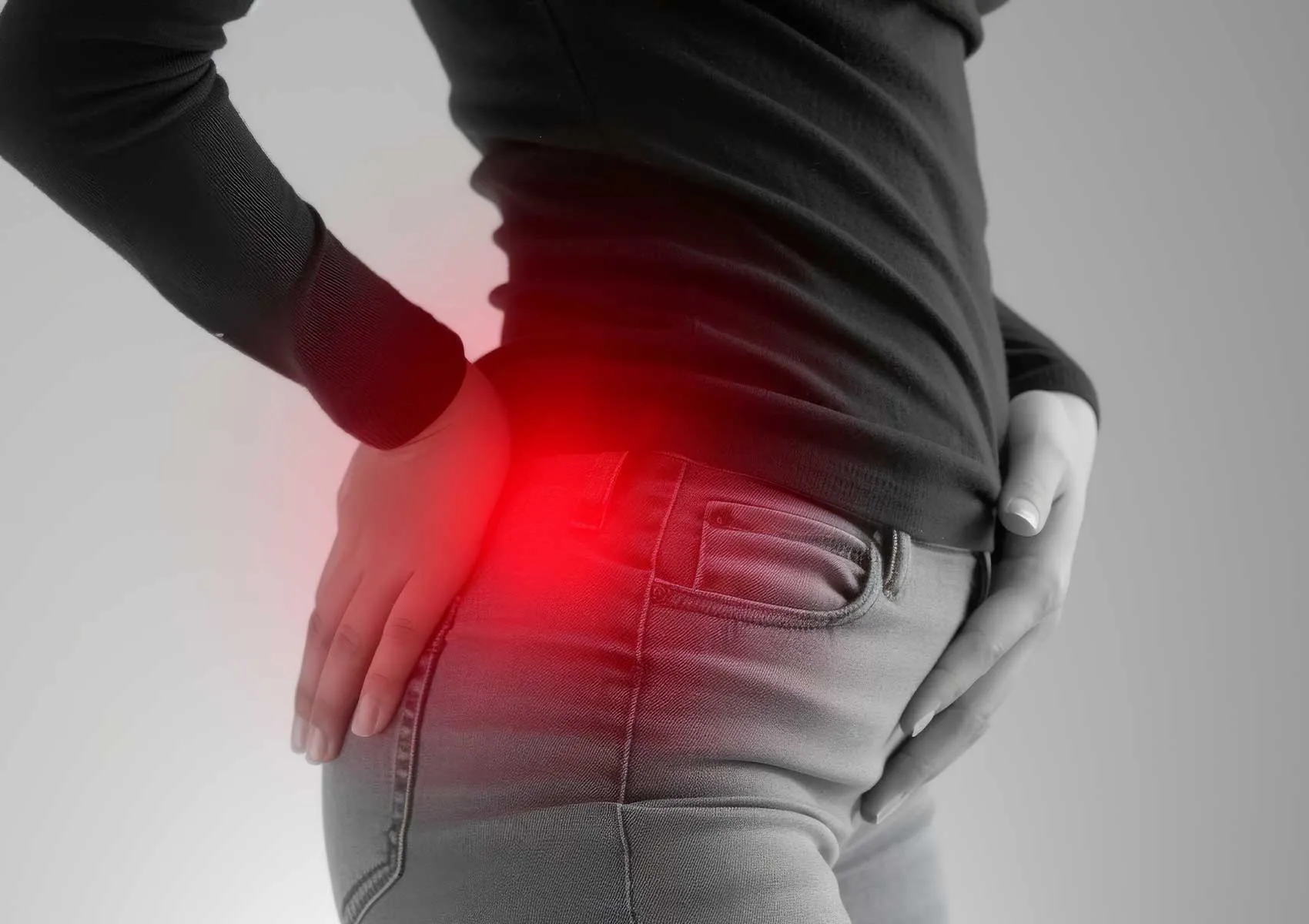
Femoroacetabular Impingement: Causes and Treatment of Hip Pain
Femoroacetabular impingement (FAI) occurs when deformities in the bones forming the hip joint cause abnormal friction during movement. This mechanical mismatch can gradually damage the cartilage and the labrum surrounding the joint. Mostly seen in young and active individuals, if untreated, FAI can lead to early hip osteoarthritis. Understanding the relationship between hip joint disorders and femoroacetabular impingement is the first step toward defining an effective treatment strategy.
In this article, we will examine the mechanism, symptoms, and current treatment approaches of femoroacetabular impingement, a common cause of hip pain, based on scientific evidence.
What is Femoroacetabular Impingement?
Femoroacetabular impingement is a mismatch between the head of the thigh bone (femur) and the socket in the pelvis bone (acetabulum). In a normal hip joint, the femoral head moves smoothly inside the acetabulum without friction. However, structural excesses in the bones cause pinching at the end range of motion, especially during hip flexion, leading to pain. Learning more about femoroacetabular impingement in detail is important to understand the progression of the condition.
Cam and Pincer Types of Impingement
The impingement syndrome is mainly classified into three types: Cam, Pincer, and Mixed.
- Cam Type: The femoral head loses its roundness and develops a bump. This bump hits the socket during movement, causing cartilage damage.
- Pincer Type: The hip socket is abnormally deep or oriented backward, excessively covering the femoral head and limiting movement.
- Mixed Type: The most common form, where both Cam and Pincer abnormalities coexist.
These structural abnormalities are often accompanied by labral tears. Having information on hip anatomy and labral tears can help better identify the source of pain.
The image below illustrates the anatomical mechanisms of Cam and Pincer type impingement.
Mechanical Contact in the Hip Joint
Mechanical contact within the hip joint is not solely a bone problem but also affects soft tissues. Repeated microtrauma can cause delamination or peeling of the cartilage covering the joint surfaces. According to data from Mayo Clinic and the American Academy of Orthopaedic Surgeons (AAOS), if this continuous friction is left untreated, it can accelerate the development of osteoarthritis.
The following diagram details the mechanical bone contact and impingement in the hip joint.
What Are the Symptoms of Femoroacetabular Impingement?
Symptoms vary among individuals; some experience significant pain while others may mainly have movement restrictions. Symptoms typically worsen after prolonged sitting, driving, or sports activities.
Hip and Groin Pain
The most common symptom is a deep, sharp pain in the groin area (inguinal region). Patients often describe this pain by placing their hand in a "C" shape beside their hip (known as the C sign). The pain may sometimes radiate to the front of the thigh or the lateral side of the hip. Movements such as squatting or crossing the legs can trigger the pain.
Movement Limitations and Clicking Sounds
Apart from pain, patients frequently report sensations of catching, locking, or hearing clicking sounds in the hip joint. They may also find it difficult to fully flex or internally rotate the hip. This can restrict daily activities and adversely affect athletic performance.
How is Femoroacetabular Impingement Diagnosed?
An accurate diagnosis starts with a detailed patient history and physical examination. The doctor queries the nature of pain and which movements provoke it. The diagnostic process is summarized in the flowchart below.
Physical Examination and Clinical Findings
During the physical exam, the range of motion of the hip joint is assessed. Provocative tests like the FADIR test (Flexion, Adduction, Internal Rotation) are performed to recreate impingement pain. A positive test strengthens suspicion of FAI syndrome.
Imaging Methods (X-ray, MRI)
Imaging is essential for definitive diagnosis.
- X-ray: The first step to evaluate bone structure, detect Cam or Pincer deformities, and assess joint space.
- Magnetic Resonance Imaging (MRI) and MR Arthrography: Used to visualize labral tears and cartilage damage in detail. MR arthrography involves injecting contrast into the joint for enhanced sensitivity.
Treatment Options for Femoroacetabular Impingement
Treatment plans depend on patient age, activity level, degree of cartilage damage, and severity of pain. Options are divided into conservative (non-surgical) methods and surgical intervention.
The comparison table below reviews conservative and surgical treatments.
Conservative Methods
In early stages or mild symptoms, non-surgical approaches are prioritized.
- Activity Modification: Avoiding movements that trigger pain.
- Physical Therapy: Strengthening muscles around the hip and improving flexibility.
- Medication: Use of anti-inflammatory drugs to reduce swelling and pain.
- Injections: Intra-articular steroid or biological treatments. Cell-based therapies in femoroacetabular impingement like PRP and stem cells may be considered to support tissue healing.
Surgical Intervention: Hip Arthroscopy
Surgery is considered for patients who do not benefit from conservative treatments or have significant structural deformities. Hip arthroscopy is currently the gold standard for treatment. Hip arthroscopy for femoroacetabular impingement treatment is a minimally invasive technique where small incisions allow camera and instruments inside the joint.
During surgery:
1. Bone overgrowth causing impingement is shaved off.
2. Torn labrum is repaired or trimmed.
3. Cartilage damage is treated.
The surgical procedure is illustrated step-by-step in the image below.
For more information, visit arthroscopic femoroacetabular impingement treatment. Additionally, these joint-preserving surgeries and femoroacetabular impingement treatment may reduce the risk of later osteoarthritis and postpone the need for joint replacement.
Impact of Femoroacetabular Impingement on Sports and Daily Life
FAI particularly affects athletes in sports requiring extreme hip flexion, such as football, ice hockey, ballet, and combat sports. Pain can cause decreased performance and missed training sessions. In daily life, prolonged sitting, climbing stairs, or getting into a car may become difficult. Being aware of how hip impingement affects daily living helps take proper precautions to maintain quality of life.
Can Femoroacetabular Impingement Be Prevented?
Structural bone deformities causing FAI are mostly developmental and cannot be entirely prevented. However, the appearance of symptoms and progression of joint damage may be slowed with certain measures:
- Muscle Balance: Strong hip and core muscles reduce load on the joint.
- Proper Sport Technique: Using correct techniques and avoiding excessive strain during sports is important.
- Early Diagnosis: Consulting a specialist promptly when hip pain starts can prevent irreversible cartilage damage.
Femoroacetabular impingement is a manageable condition with accurate diagnosis and individualized treatment planning. It is advisable to consult a specialist to understand the cause of your hip pain and achieve healthy joint function.
This content is for informational purposes only and does not substitute professional medical advice, diagnosis, or treatment. Always consult a physician or qualified healthcare provider regarding any health concerns. Do not alter your treatment or delay seeking professional medical care based on information found on the internet.
FAQ
-
What is femoroacetabular impingement?
Femoroacetabular impingement is an abnormal bone contact between the head of the femur and the socket in the pelvic bone within the hip joint. This causes pain and joint damage during movement.
-
What are the symptoms of this condition?
The most common symptom is groin or hip pain during movements involving hip flexion and internal rotation. Pain may increase during walking, sitting, or exercise.
-
How is femoroacetabular impingement diagnosed?
Diagnosis is based on physical examination, patient symptoms, and imaging tests such as X-rays and MRI. These tests reveal bone abnormalities and cartilage damage.
-
What are the treatment options?
Treatment varies by severity; initially, rest, physical therapy, and pain medications are tried. If no improvement occurs, arthroscopic surgery can correct the bone overgrowth causing impingement.
-
Is it possible to prevent femoroacetabular impingement?
Due to congenital bone differences, full prevention is difficult. However, proper sports techniques, muscle-strengthening exercises, and early diagnosis can slow progression. Consult a specialist if you experience symptoms.