
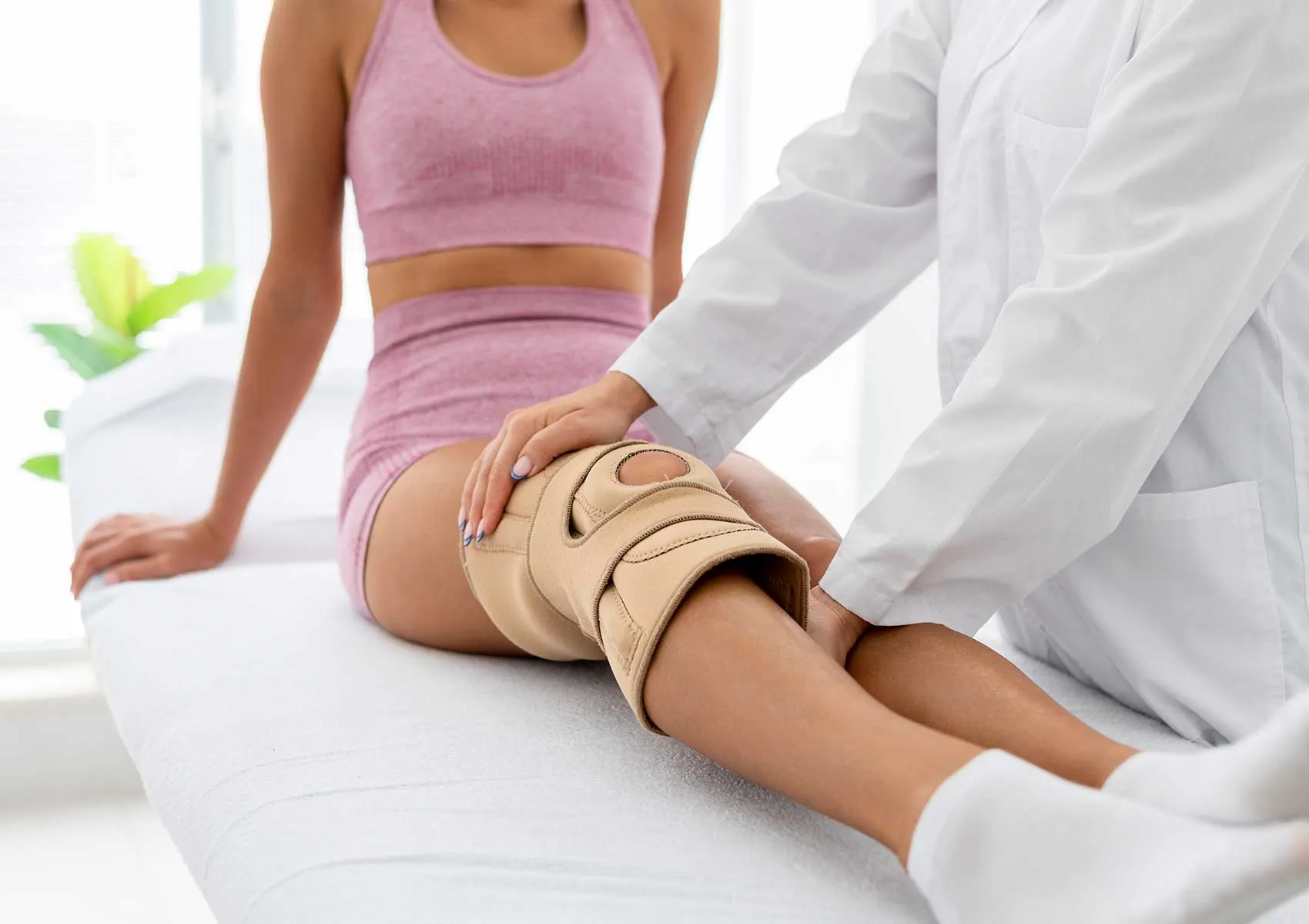
Sports Surgery: Specialties and Treatment Approaches
Sports surgery is a medical discipline that deals with the diagnosis and treatment of injuries affecting the muscles, bones, and joints of both professional athletes and individuals leading an active lifestyle. Injuries that limit mobility and reduce quality of life may become chronic if not properly managed. In major cities like Istanbul, specialized centers in sports surgery play a crucial role in managing these injuries.
The treatment of sports injuries involves a comprehensive approach that includes not only surgical intervention but also prevention, accurate diagnosis, and rehabilitation phases. For patients searching for a sports physician in Istanbul and nearby areas, the primary goal is to enable a safe and swift return to daily activities or sports. The use of advanced technological methods and evidence-based approaches directly affects treatment outcomes.
What is Sports Surgery?
Sports surgery focuses on the surgical and non-surgical treatment of injuries sustained during physical activity, whether from trauma or overuse. It is considered a subspecialty within orthopedics and traumatology, encompassing not only surgical procedures but also treatment planning tailored to the athlete’s physiology.
This specialty requires a multidisciplinary approach. Orthopedic surgeons, physiotherapists, and sports physicians collaborate to provide the most appropriate solution for each patient. Generally, being informed about sports injuries and treatment methods helps patients manage their expectations throughout the process.
What Types of Injuries are Covered by Sports Surgery?
Sports surgery covers a wide range of injuries affecting different parts of the body. High-load joints and areas with large ranges of motion are particularly vulnerable. Common cases include ligament tears, cartilage damage, tendon ruptures, and joint impingements.
The following diagram visualizes the most frequently injured areas in athletes and active individuals.
The most commonly treated conditions include:
- Knee Injuries: Treatment of meniscus tears, anterior cruciate ligament (ACL) injuries, and cartilage damage.
- Hip Problems: Femoroacetabular impingement (FAI) and labral tears. For more details, see the hip joint and sports surgery page.
- Shoulder Issues: Rotator cuff tears, shoulder dislocations, and impingement syndromes.
- Ankle: Ligament injuries and cartilage problems.
Diagnosis and Assessment Process
A successful treatment starts with an accurate and detailed diagnostic process. In sports surgery, this involves listening to the patient’s medical history and physical examination, supported by advanced imaging techniques.
Imaging Methods
High-resolution imaging technologies are used to precisely determine the extent and location of injuries. Magnetic Resonance Imaging (MRI) provides detailed views of soft tissues, ligaments, and cartilage damage. X-rays are preferred for evaluating bone fractures or deformities. Computed Tomography (CT) scans may be used for more complex bone structure assessments.
Clinical Examination
Regardless of technological advances, a thorough clinical examination by an experienced physician remains indispensable. The doctor tests the joint’s range of motion, stability, pain points, and muscle strength. Specific provocation tests help identify conditions such as meniscus or ligament tears.
Surgical Treatment Methods
Surgical treatment in sports injuries is typically considered when conservative (non-surgical) methods prove inadequate or if the injury causes mechanical blockage. Surgical approaches focus on repairing, reconstructing, or cleaning the damaged tissue.
This process is summarized in the flowchart below.
Arthroscopic Surgery
Arthroscopy is a minimally invasive technique used to visualize and treat the interior of joints via small incisions assisted by a camera and specialized instruments. Arthroscopic surgery technologies offer benefits including less pain, reduced infection risk, and faster recovery compared to open surgery.
Notable advancements include hip arthroscopy procedures and arthroscopic treatment of femoroacetabular impingement.
Below is a visual of the latest technologies and devices used in sports surgery.
Ligament Reconstructions
When a torn ligament cannot heal on its own, reconstruction is performed. Usually, tendons harvested from the patient’s own body (grafts) are used to create a new ligament. The anterior cruciate ligament (ACL) reconstruction is one of the most common surgeries aiming to restore knee stability in athletes.
Cellular Therapies
Biological treatments have gained attention for accelerating tissue healing, either as an adjunct to surgery or standalone therapies. PRP and stem cell therapies activate the body's regenerative mechanisms. Scientific studies on the foundations of PRP therapy indicate these methods can support tendon and cartilage repair.
Recovery and Rehabilitation Process
Surgery is only one part of treatment. Postoperative physical therapy and rehabilitation are vital for functional recovery. A well-designed rehabilitation program aims to preserve joint mobility, increase muscle strength, and improve proprioception (balance and coordination).
Pre- and postoperative care points are detailed in the checklist below.
Rehabilitation programs should be individualized. Detailed information about the rehabilitation process for sports injuries can help patients adhere to their recovery timeline.
Basic exercises after knee and shoulder surgery are illustrated in the visual guide below.
Strategies to Prevent Sports Injuries
Another important goal of sports surgery is injury prevention. Through preventative medicine, risk factors for athletes are identified and appropriate strategies are developed.
- Warm-Up and Cool-Down: Dynamic warm-ups before training and static stretching afterwards increase muscle elasticity.
- Proper Equipment: Using sport-appropriate shoes and protective gear reduces injury risk.
- Strength and Balance: Regular strength training and balance exercises strengthen muscles supporting the joints.
- Rest: Allowing adequate rest helps prevent overtraining syndrome.
This content is intended solely for general informational purposes and does not constitute medical advice. Diagnosis and treatment should be carried out by a qualified healthcare professional based on an individual’s specific condition. If you have any concerns or questions regarding your health, please consult a licensed medical provider or authorized health institution. The information provided on this site is not a substitute for professional medical examination or care. Do not delay seeking medical advice or treatment because of something you have read here.
FAQ
-
What is sports surgery and what injuries does it cover?
Sports surgery is a medical specialty focused on diagnosing and treating muscle, joint, tendon, and ligament injuries commonly experienced by athletes or active individuals. It addresses issues in areas such as the knee, shoulder, hip, and ankle. It is important to consult a specialist for an accurate diagnosis and treatment plan.
-
When is surgical treatment necessary for sports injuries?
Surgical treatment is generally considered when conservative methods (medication, physical therapy) do not lead to improvement, when the injury significantly affects quality of life, or when there is a risk of permanent damage. This decision is made by your doctor based on the type and severity of the injury.
-
How long does the recovery process take after sports surgery?
The recovery period varies widely depending on the type of injury, the surgery performed, the patient’s overall health, and adherence to rehabilitation programs. It can range from a few weeks to several months. Physical therapy plays a critical role in a successful return to activity. Consult your doctor for a personalized recovery plan.
-
What are the current techniques used in sports surgery?
Current sports surgery techniques include arthroscopic surgery (minimally invasive), cartilage repair, ligament reconstruction, and innovative approaches like stem cell therapy. These methods usually offer faster recovery and reduced pain.
-
What can be done to prevent sports injuries?
To prevent sports injuries, it is important to perform regular warm-up and cool-down exercises, use proper equipment, gradually increase training intensity, and pay attention to your body's signals. Seeking personalized advice from a professional trainer or sports physician is also beneficial.