
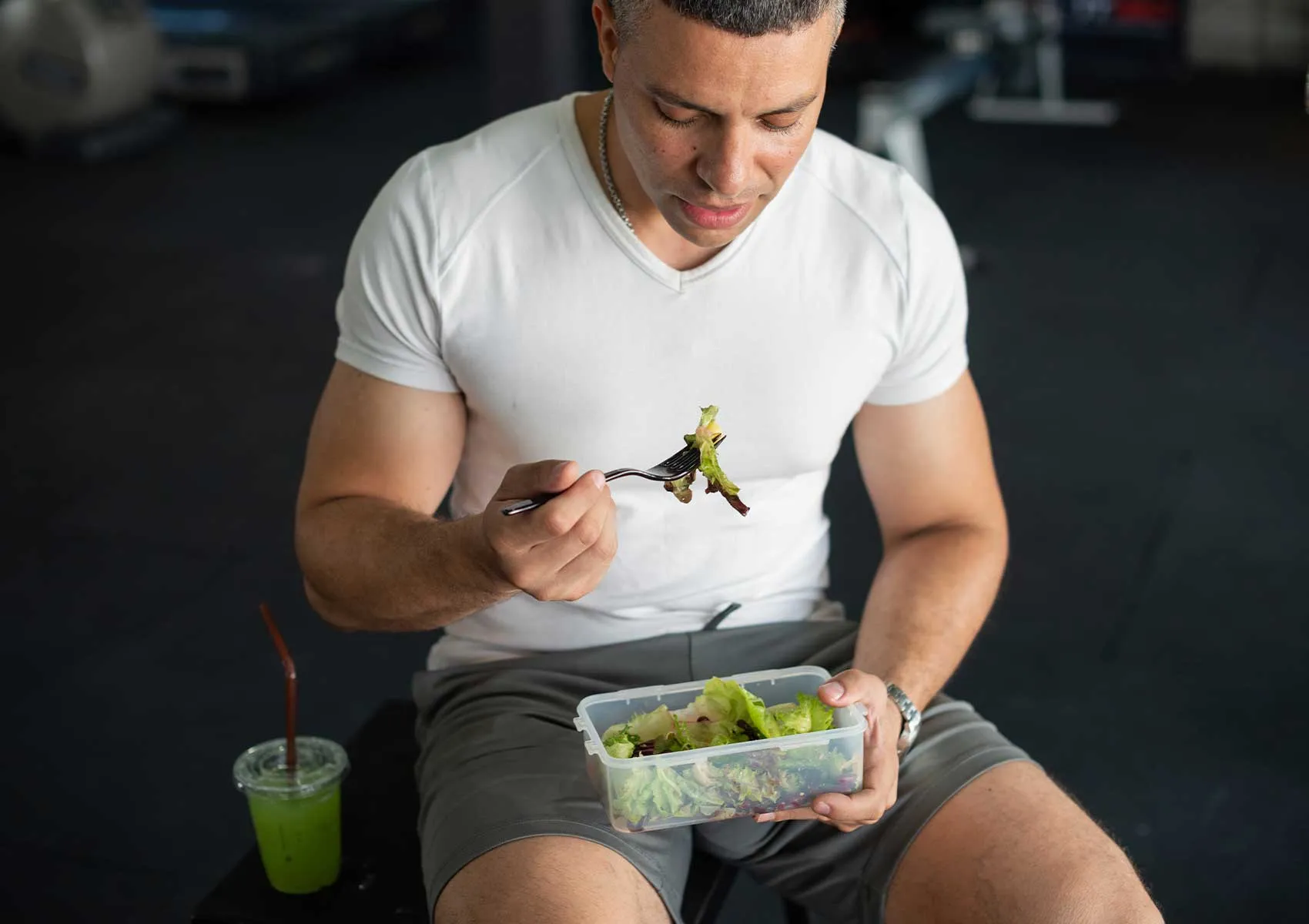
Nutrition and Exercise Balance for Athlete Health
This article explores in detail how athletes should establish a balance between nutrition and exercise to maintain health and high performance. Evidence-based strategies that support athlete health are presented.
Athletes' success and endurance are directly linked not only to rigorous training but also to balanced and conscious nutrition. When harmony between nutrition and exercise is not achieved, performance declines, recovery is delayed, and the risk of injury increases. In this article, we will explain the critical importance of the nutrition and exercise balance for athlete health based on scientific data.
Nutrition as the Foundation of Athlete Health and Performance
Nutrition for athletes goes beyond mere calorie intake. An optimal balance of macro and micronutrients supports energy production while being essential for muscle building and repair. Carbohydrates are known as the primary energy source during exercise and play a critical role in sustaining performance. Proteins are indispensable for preserving and repairing muscle mass. Fats provide energy during prolonged exercise and play a role in hormone production.
Water loss is a significant factor negatively affecting sports performance. Dehydration increases muscle fatigue and impairs concentration. Therefore, adequate fluid intake during and after exercise is essential.
Integration of Exercise and Training Programs with Nutrition
Exercise plans should be tailored to the athlete and integrated with nutritional programs. The type, duration, and intensity of training determine the timing and content of nutrient intake. For instance, carbohydrate loading is important during high-intensity and long-duration exercise, while protein consumption takes precedence in strength training.
Pre-exercise nutrition is important to maximize muscle glycogen stores. Foods high in carbohydrates but easy to digest are preferred. Post-exercise, foods containing both protein and carbohydrates should be consumed to accelerate muscle repair and replenish energy stores. This period is called the anabolic window, and proper nutrition during this time optimizes performance improvements.
The Role of Nutrients in Athlete Health
Vitamins and minerals are fundamental to maintaining athlete health. Deficiencies in iron, calcium, zinc, and vitamin D can lead to performance loss. Iron plays a role in hemoglobin, which transports oxygen, while calcium and vitamin D support bone health and prevent injuries. Antioxidant vitamins (C and E) reduce oxidative stress generated during exercise.
Sufficient and balanced intake of minerals and vitamins contributes to reducing fatigue during and after training and speeds up the recovery process.
Injuries in Exercise and the Importance of Nutrition
Nutrition gains great importance in preventing injuries and during the treatment process in athlete health. Protein requirements increase for the healing of muscle and tendon injuries. Nutrients with anti-inflammatory properties such as omega-3 fatty acids reduce inflammation and support recovery. Additionally, vitamin C, which increases collagen synthesis, positively affects wound healing.
Nutrition strategies should be programmed to repair the microtraumas caused by exercise, ensuring the body receives sufficient vitamins, minerals, and macronutrients needed.
How to Establish the Nutrition and Exercise Balance?
First, individual needs must be accurately analyzed. Since athletes differ in age, gender, sports branch, and training intensity, nutrition plans should be personalized. Total energy expenditure must be considered when determining calorie requirements.
Regular eating habits, not skipping meals, and consuming the right nutrients at the right times are essential. Additionally, fluid intake should be balanced before, during, and after training. Ratios of carbohydrates, proteins, and fats in athlete nutrition should be optimized according to age and performance goals. Nutritional supplements during training phases should only be used under doctor and dietitian supervision.
Practical Recommendations
It is recommended that athletes consume complex carbohydrates, high-quality protein (such as eggs, yogurt, dairy products), and healthy fats at breakfast. Light and energy-providing foods (banana, oats, whole-grain bread) should be preferred 1-2 hours before training. Post-exercise, consuming protein sources like milk or cheese, along with fruits and carbohydrate-containing foods, speeds up recovery.
Hydration can be supported not only by water but also by electrolyte-containing sports drinks. During long and intense training sessions, strict monitoring of hydration and nutrition balance is essential.
Expert Support for Athlete Health
Especially for professional athletes, working with a sports physician and sports dietitian for individualized nutrition and exercise planning is vital for protecting health and enhancing performance. Regular check-ups and metabolic tests should be used to update nutrition programs according to needs.
The balance of exercise and nutrition not only supports sporting success but also reduces injury risks long-term and preserves overall health. When applied consciously and disciplined, it leads to significant improvements in athletes’ quality of life.
FAQ
-
What kind of foods should athletes consume before training?
Before training, foods that are easy to digest, low in fat, and moderate in carbohydrates should be preferred. Examples include bananas, oats, whole-grain bread, and low-fat dairy products.
-
Why is post-exercise nutrition so important?
Post-exercise nutrition is a critical period for muscle repair and replenishing energy stores. Consuming foods containing both protein and carbohydrates accelerates this process and supports performance improvements.
-
How does water consumption affect athlete performance?
Adequate water intake ensures proper hydration and helps muscles function correctly. Dehydration increases muscle fatigue, lowers concentration, and negatively impacts performance.
-
Which vitamins and minerals should athletes pay attention to?
Athletes should particularly focus on iron, calcium, zinc, vitamin D, and vitamins C and E. These nutrients are necessary for muscle function, bone health, and reducing oxidative stress.
-
What should be done to establish a balance between nutrition and exercise?
Evaluating individual needs, preparing a nutrition plan appropriate to the type of training, and maintaining regular fluid intake are important. Additionally, personalized programs should be developed with expert guidance.