
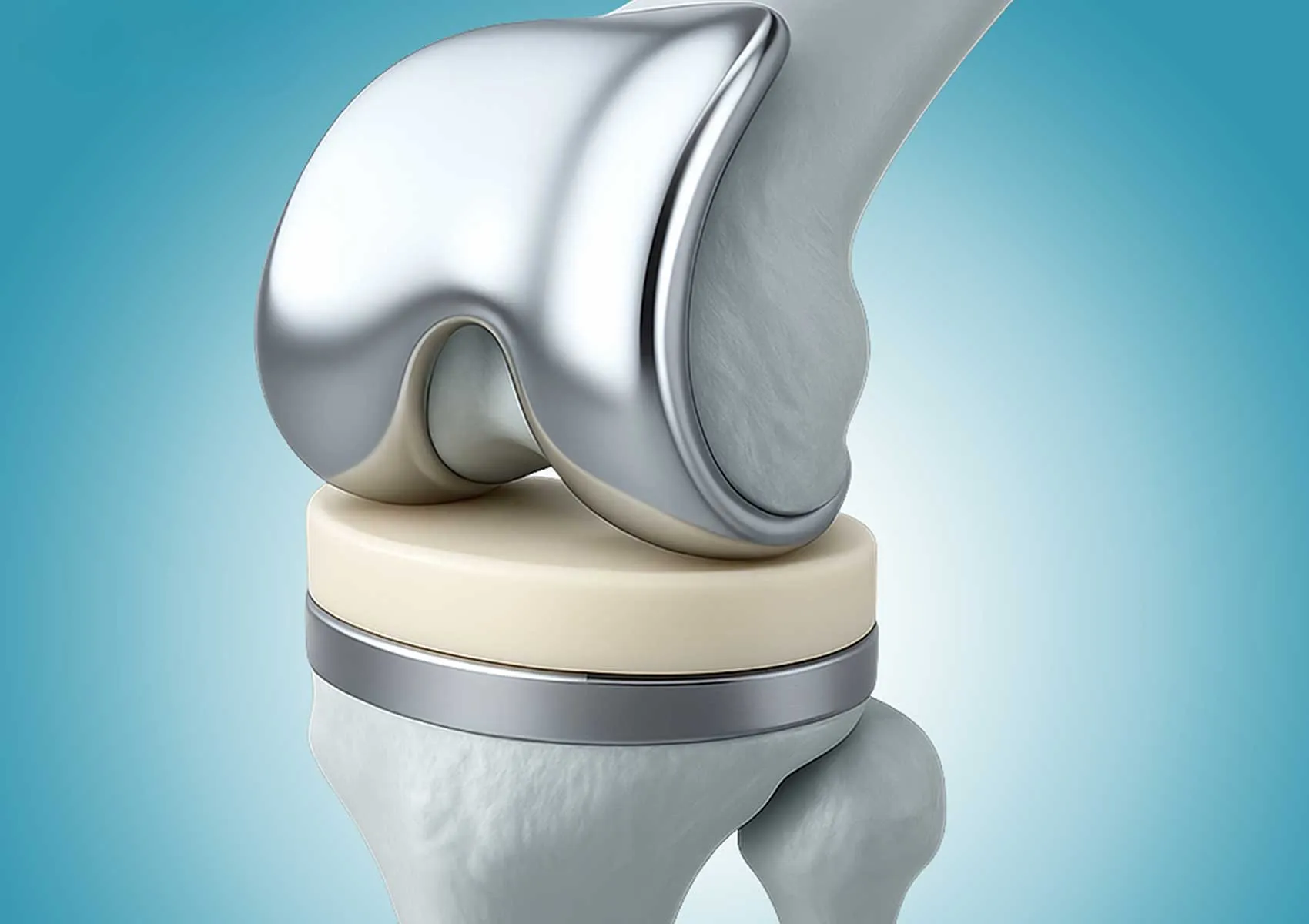
Alternative Treatment Methods to Prosthetic Surgery
Although prosthetic surgery is a significant treatment option especially for advanced joint diseases, alternative methods may be preferred in some patients due to surgical risks or suitability issues. This article examines alternative treatment methods to prosthetic surgery, their applications, and effectiveness in detail.
Joint prosthetic surgery is a treatment option that significantly improves quality of life, especially in cases of severe damage or degeneration in major joints such as the hip and knee. However, not every patient is a candidate for prosthetic surgery, and some carry high surgical risks. In such cases, alternative treatment methods to prosthetic surgery hold an important place. Furthermore, certain methods can play a supportive role in strengthening and regaining function following surgery.
Alternative methods to prosthetic surgery can fundamentally be divided into two main categories: conservative (non-surgical) treatments and minimally invasive non-surgical procedures.
Conservative Treatment Methods
Conservative treatment refers to interventions applied without surgery, generally including lifestyle changes, medication, and physical therapy.
Pain Management and Medication
Nonsteroidal anti-inflammatory drugs (NSAIDs), paracetamol, and occasionally corticosteroids are used to control joint pain. Reducing pain enhances mobility, allowing patients to carry out daily activities more comfortably. However, long-term use of medications should be carefully planned due to potential side effects.
Physical Therapy and Exercise Programs
Increasing muscle strength and joint stability while maintaining mobility is critical through physical therapy and regular exercises. In particular, for hip and knee joint diseases, strengthening exercises can alleviate joint load by supporting the muscles around the joint. Physical therapy programs should be personalized and regularly monitored.
External Supports and Orthotic Devices
Orthopedic support tools like knee braces, canes, or walkers reduce the load on joints and relieve pain. Proper selection and use of these devices can enhance the patient’s functional capacity.
Hyaluronic Acid Injections
These injections aim to increase the viscosity of joint fluid and reduce friction within the joint, especially useful in early to moderate osteoarthritis patients. They contribute to pain relief and improved function, though their effect is temporary.
PRP (Platelet Rich Plasma) Therapy
Platelet-rich plasma injections support tissue healing and regeneration processes. PRP has shown effectiveness particularly in cartilage damage, tendinopathies, and mild joint degeneration. However, wider scientific data is needed on its effectiveness as this therapy is still increasingly being applied.
Minimally Invasive Non-Surgical Methods
Certain interventions with a degree of invasiveness that are not classic prosthetic surgeries may be preferred in some cases.
Arthroscopic Surgery
The arthroscopic method is used to address intra-articular problems in a minimally invasive manner. It is successfully implemented in meniscus tears, cartilage surface lesions, labrum repairs, and similar conditions. This method offers shorter recovery times than prosthetic surgery and preserves the joint.
Osteotomy Procedures
Osteotomies aim to alter the mechanical load on the joint and are particularly used in correcting localized deformities in the knee. This method preserves the joint surface, reduces pain, and enhances quality of life until prosthetic surgery becomes necessary.
Cartilage Regeneration Techniques
Techniques like microfracture, autologous chondrocyte implantation, and mesenchymal stem cell applications aim to regenerate cartilage in limited areas. These techniques offer beneficial delay of prosthetic needs especially for young and active individuals.
Considerations in Choosing Alternative Treatments to Prosthetic Surgery
These alternative treatments may not be suitable for every patient. Treatment choices should be made based on the patient’s age, degree of joint damage, overall health condition, and expectations, evaluated by an expert physician. A multidisciplinary approach (orthopedics, physical therapy, pain management specialists) throughout the treatment process increases the chance of success.
While prosthetic surgery remains the gold standard for advanced osteoarthritis, the alternative methods described above serve as effective options for symptom management, function improvement, and surgical delay in early to moderate disease stages. Early intervention and personalized treatment plans are fundamental for preserving joint health.
FAQ
-
What alternative treatments are recommended for early-stage joint damage instead of prosthetic surgery?
In early stages, conservative treatments such as physical therapy, exercise programs, hyaluronic acid injections, and PRP therapy are commonly preferred. These approaches aim to reduce pain and maintain joint function.
-
What is the most effective alternative treatment for patients with high surgical risks?
For patients with high surgical risks, conservative treatment methods are primarily applied. Pain management, physical therapy, and orthopedic support devices are used. If the joint structure is appropriate, minimally invasive methods such as arthroscopic surgery and osteotomy can also be considered.
-
How effective are regeneration treatments for cartilage damage?
Cartilage regeneration techniques are particularly effective for limited lesions and younger patients. Microfracture or stem cell applications can support cartilage renewal, but their effectiveness is limited on extensive damage.
-
What are the benefits of hyaluronic acid injections?
Hyaluronic acid injections increase the viscosity of joint fluid, reducing friction and alleviating pain and inflammation. Their effect is temporary but can improve quality of life, especially in moderate osteoarthritis cases.
-
Can arthroscopic surgery replace prosthetic surgery?
Arthroscopic surgery is not an alternative to prosthetic surgery but a complementary minimally invasive method applied in early stages. Prosthetic surgery is necessary for advanced joint damage; however, arthroscopy can reduce damage and delay the need for prosthesis.