
What is Hip Arthroscopy? Surgery Process and Recovery Guide
Hip arthroscopy is a minimally invasive surgical procedure used to visualize, diagnose, and treat problems inside the hip joint. Often referred to as "minimally invasive hip surgery," this technique avoids large incisions, positively influencing the patient's recovery process. Compared to traditional open surgery, hip arthroscopy causes less tissue trauma and has become a frequently preferred method, especially in sports medicine.
During the procedure, the surgeon inserts a small camera (arthroscope) and surgical instruments into the joint through small incisions. This setup allows detailed visualization of internal joint structures on a monitor, enabling intervention for labral tears, cartilage damage, or bone impingements. According to the American Academy of Orthopaedic Surgeons (AAOS), arthroscopic methods can help patients return to daily activities faster.
What Is Hip Arthroscopy?
With advances in medical technology, hip arthroscopy has become an important technique in orthopedics. It is used for both diagnostic and therapeutic purposes.
What Is Arthroscopic Surgery?
Arthroscopic surgery is a technique involving the use of fiber-optic cameras to visualize the interior of joints. The term derives from "arthro" (joint) and "scopy" (to look). This method allows the surgeon to operate through only a few millimeter-sized incisions without opening the joint widely. The technical equipment and methods used during the surgery are summarized in the diagram below.
This technique minimizes damage to surrounding tissues while providing a magnified view of the surgical field, allowing for precise interventions.
Arthroscopy Applied to the Hip Joint
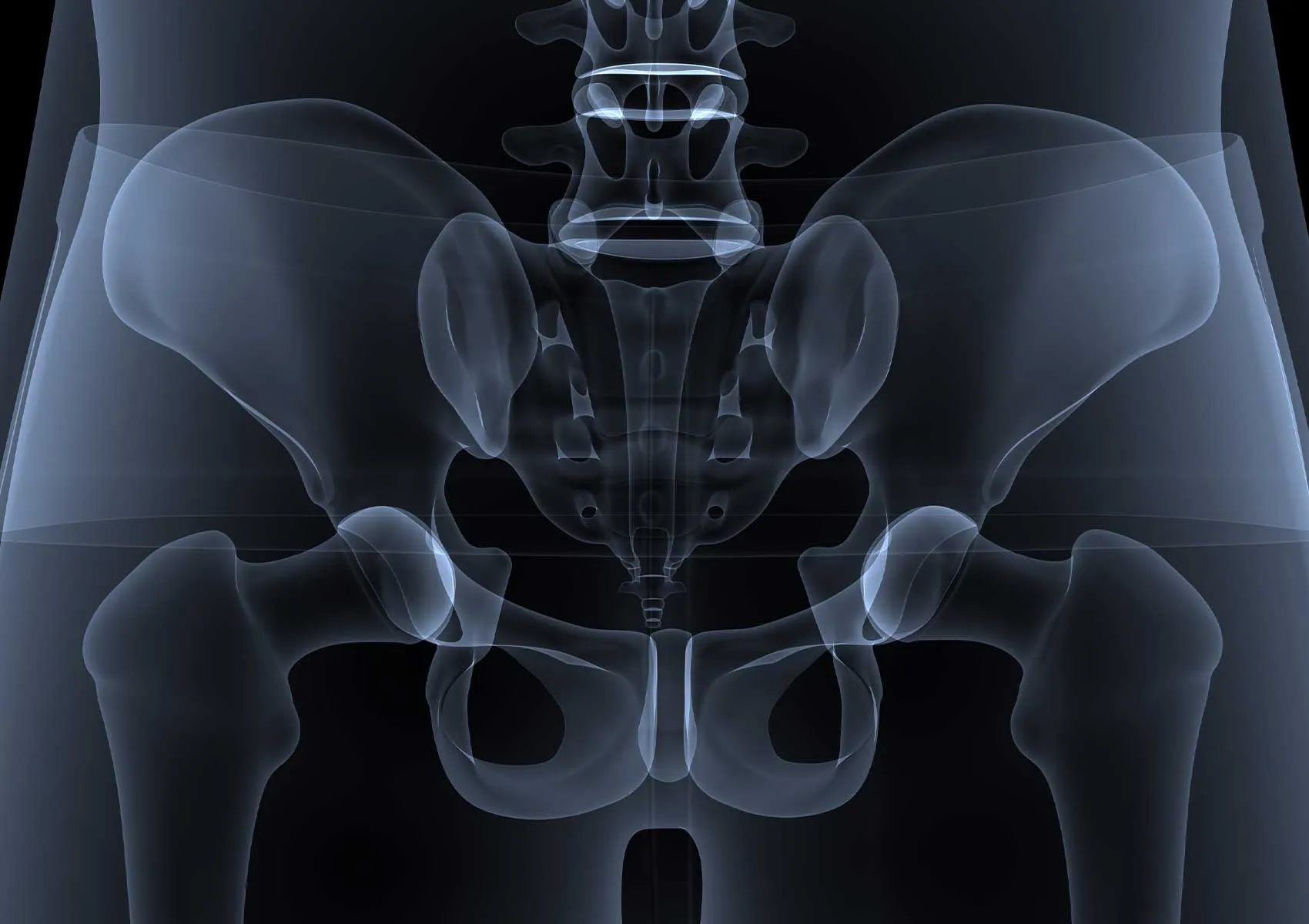
The hip joint is one of the deepest and most stable joints of the body. Therefore, hip arthroscopy is technically more challenging compared to knee or shoulder arthroscopy and requires special expertise. To safely insert instruments into the joint, the surgeon applies traction to widen the joint space. The internal structure and arthroscopic view of the hip joint are shown in the following image.
This method evaluates the relationship between the femoral head and the acetabulum (socket) and addresses mechanical issues.
When Is Hip Arthroscopy Indicated?
Hip arthroscopy is typically considered for patients whose hip pain and movement limitations have not responded to conservative treatments such as medication, physical therapy, and rest. The anatomical structure and source of symptoms are determinative factors when assessing hip joint disorders and treatment options.
Femoroacetabular Impingement (FAI)
Femoroacetabular impingement (FAI) occurs when deformities in the hip bones (the femoral head and the acetabular socket) cause abnormal contact during movement. This friction can lead to cartilage damage and pain over time. In FAI treatment, arthroscopy is often performed to shave bony protrusions and restore joint congruency.
Labral Tears and Cartilage Damage
The labrum is a cartilage-like structure surrounding the acetabular socket, providing stability to the hip joint. There is a strong relationship between labral tears and hip arthroscopy; tears resulting from FAI or trauma can be repaired or debrided arthroscopically. Additionally, focal cartilage defects on joint surfaces may be addressed with this technique. Experts at the Mayo Clinic indicate that early intervention can slow joint degeneration.
Hip Arthroscopy Surgical Procedure
The surgical process begins with detailed planning and preparation. Success depends not only on surgical technique but also on selecting the right patient and proper preparation. Associated conditions such as cartilage diseases and their treatments may influence the surgical plan.
Preoperative Preparations
Before surgery, the patient's overall health is evaluated and necessary blood tests and imaging studies (MRI, X-ray) are performed. Important pre- and postoperative care points are detailed in the checklist below.
The anesthesia method (usually general anesthesia or epidural) is determined after consultation with the anesthesiologist.
Surgical Steps
Hip arthroscopy usually lasts between 1 and 2 hours and involves several key stages, illustrated in the infographic below.
First, traction is applied to the leg to open the joint space. Under fluoroscopy (X-ray guidance), guide wires and cannulas are inserted. The camera and surgical instruments pass through these cannulas to treat intra-articular pathologies such as bone reshaping, labral repair, and cartilage interventions. Incisions are closed with sutures at the end of the procedure.
Recovery Process After Hip Arthroscopy
Recovery time varies depending on the extent of the procedure performed. For detailed information, refer to the hip arthroscopy recovery process page. Most patients are discharged on the same day or the day after surgery.
Initial Days and Physical Therapy
During the first weeks post-surgery, crutches may be required. The goal during this period is to protect repaired tissues and control swelling. Physical therapy is a critical part of rehabilitation. In some cases, treatments such as PRP and stem cell therapy for recovery may be added to the protocol to support healing.
Mid- to Long-Term Recovery
As recovery progresses, focus shifts to increasing joint range of motion and strengthening muscles. The rehabilitation process in sports injuries should be followed diligently. Home exercises recommended by your therapist are shown in the visual guide below.
Return to full activity typically ranges from 3 to 6 months. Studies on PubMed demonstrate that patient compliance directly affects surgical outcomes.
Risks and Complications of Hip Arthroscopy
Like all surgeries, hip arthroscopy carries potential risks. These include infection, bleeding, nerve injuries (usually temporary numbness), vascular injury, and anesthesia-related complications. Additionally, traction may cause temporary numbness or pain in the groin area. When performed by an experienced surgeon using appropriate techniques, the risk of complications is relatively low.
Role of Hip Arthroscopy in Sports Injuries
Hip pain in active individuals and professional athletes can significantly impact performance. Hip arthroscopy for sports injuries is an effective option to help athletes return pain-free. It is particularly useful for managing FAI and labral tears common in sports that heavily stress the hip joint, such as soccer, ice hockey, and combat sports. The goal is to preserve the athlete's anatomy and restore maximum performance.
When performed with accurate diagnosis and expert technique, hip arthroscopy is a reliable treatment that can improve patients’ quality of life. For the most accurate guidance regarding surgery decisions and process, always consult a qualified specialist.
This content is intended for informational purposes only and should be reviewed and approved by a qualified orthopedic and traumatology specialist. All information provided is based on scientific evidence and aligned with current medical guidelines. It does not constitute medical advice and should not replace consultation with a healthcare professional regarding your individual condition. Do not delay seeking professional care based on this content.
FAQ
-
What is hip arthroscopy and when is it performed?
Hip arthroscopy is a minimally invasive surgery performed through small incisions to diagnose and treat joint issues. It is commonly used for conditions like hip impingement, cartilage damage, and labral tears. Always consult a specialist for detailed information.
-
How long does a hip arthroscopy surgery take?
The duration of the surgery depends on the complexity of the procedure and the patient's condition. It usually lasts between 1 and 2 hours. These times are average estimates and may vary from person to person.
-
What is the recovery process like after surgery?
Recovery varies by individual, but rest and physical therapy are important during the initial weeks. Full recovery can take several months. It is essential to follow your physiotherapist’s instructions carefully.
-
Are there risks or side effects associated with hip arthroscopy?
As with any surgery, hip arthroscopy carries potential risks such as infection, bleeding, and nerve damage. Your surgeon will explain these risks and your specific circumstances thoroughly before the operation.
-
When can I return to daily activities after hip arthroscopy?
The time to return to daily activities depends on the extent of the surgery and your healing progress. Many patients can resume light activities within a few weeks, but full recovery takes longer. It is crucial to follow your doctor's advice.