
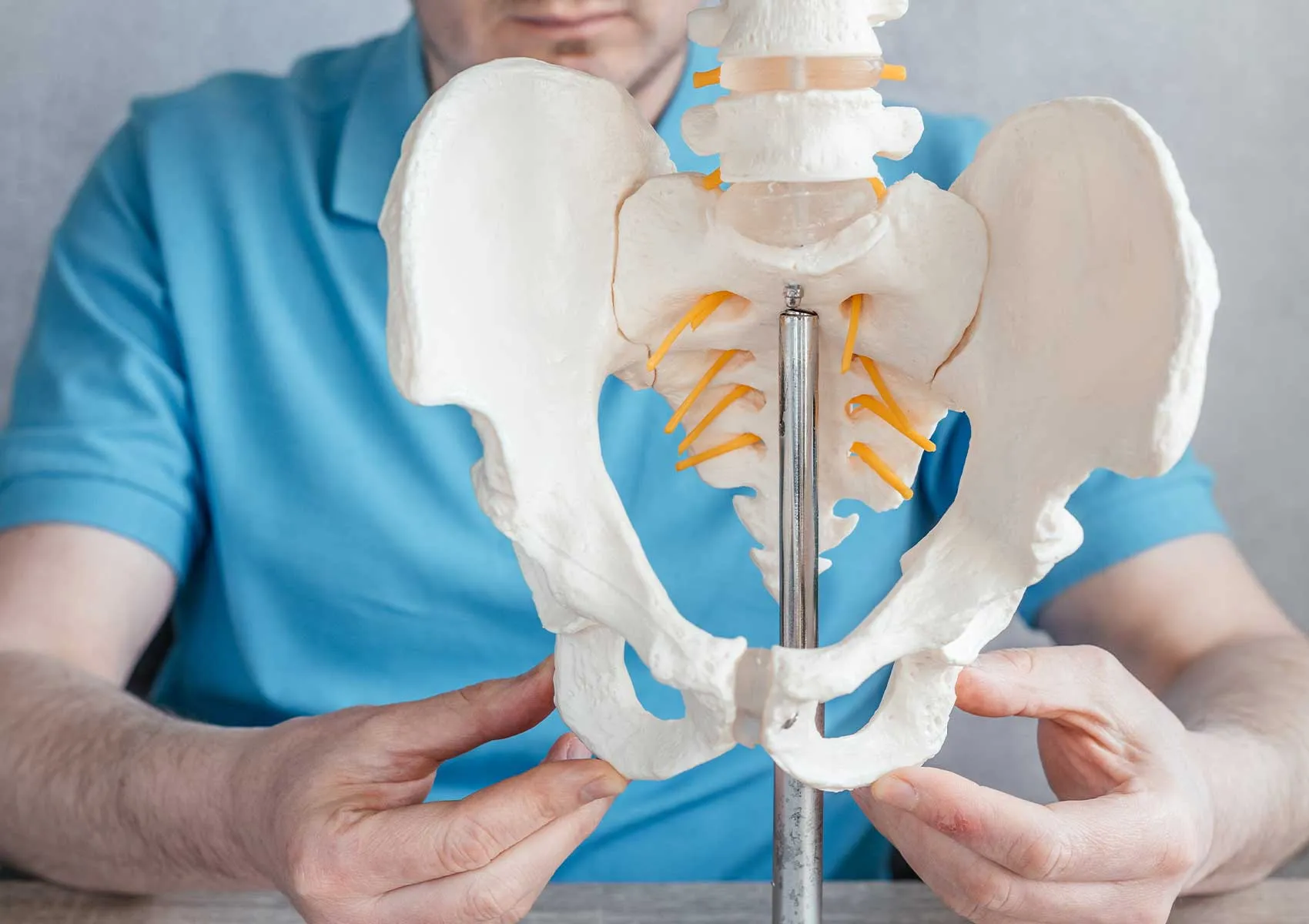
Hip Arthroscopy: Comprehensive Guide and Treatment Options
Hip arthroscopy is an advanced surgical technique developed alongside technological progress to diagnose and treat painful conditions in the hip joint. Unlike traditional open surgery, this procedure is performed through small incisions without fully opening the joint, aiming to provide patients with a more comfortable recovery experience. Particularly common within sports medicine, it allows safe access to the deep structures of the hip joint.
This minimally invasive technique is used both diagnostically and therapeutically. Since the hip is one of the deepest and most complex joints in the body, hip arthroscopy demands specialized skills and experience. Today, it is a cornerstone of joint-preserving surgery for addressing mechanical issues such as femoroacetabular impingement and labral tears.
Overview of Hip Arthroscopy
Hip joint problems can significantly affect quality of life, especially in active individuals and athletes. Arthroscopic methods are among the most effective modern medical tools for resolving these issues. This section explains what the procedure is and how it differs from conventional approaches.
What is hip arthroscopy?
Hip arthroscopy involves inserting a camera and specialized surgical instruments into the joint through approximately 1-centimeter incisions (portals). The camera (arthroscope) projects high-resolution images onto a monitor, enabling the surgeon to examine joint cartilage, labrum, ligaments, and bones in detail.
This method typically diagnoses the cause of hip pain and allows treatment during the same session. According to the American Academy of Orthopaedic Surgeons (AAOS), arthroscopy permits intervention within the joint while minimizing damage to surrounding tissues. For more detailed information on hip joint diseases, consult hip joint disorders resources.
The diagram below illustrates the anatomical structure of the hip joint and the areas accessed during arthroscopy.
How does it differ from open hip surgery?
Commonly referred to as "closed surgery," arthroscopy offers significant advantages over open surgery. Open procedures may require large incisions and cutting through muscles to access the joint, whereas arthroscopy only involves retracting muscles. This results in less postoperative pain and an earlier start to rehabilitation.
Authoritative sources such as the Mayo Clinic note that minimally invasive techniques can reduce infection risk and shorten hospital stays. Key differences between the two methods are summarized in the table below.
When is Hip Arthroscopy Indicated?
This surgical technique is not appropriate for every case of hip pain. It is generally reserved for conditions unresponsive to non-surgical treatments such as medication, physical therapy, and rest. It is particularly effective for mechanically induced pain and intra-articular impingement.
Femoroacetabular impingement (FAI)
Femoroacetabular impingement (FAI) occurs due to structural abnormalities in the bones forming the hip joint (femoral head or acetabulum), causing abnormal contact during movement. This friction leads to cartilage damage and pain over time. FAI is among the most frequent indications for hip arthroscopy.
This impingement syndrome can impair athletic performance, especially in sportspeople. Hip issues in sports injuries often develop on this basis. Surgery involves trimming the bony prominences causing impingement to restore natural joint movement. More information on femoroacetabular impingement treatment is available.
A visual representation of this condition and other common hip pathologies treated arthroscopically is provided below.
Labral tears
The labrum is a cartilaginous ring surrounding the hip socket (acetabulum), functioning as a seal. It contributes to joint stability and helps maintain the joint fluid. Tears may occur due to trauma, degeneration, or FAI.
Labral tears cause sharp groin pain and a catching sensation. Arthroscopic surgery can repair (suturing) torn labrum tissue or, if irreparable, remove damaged segments (debridement). Arthroscopy is considered the gold standard for treating hip labral tears.
Other indications
Besides FAI and labral tears, hip arthroscopy can be applied to:
- Loose bodies (joint mice): Removal of cartilage or bone fragments floating inside the joint.
- Synovitis: Cleaning of inflamed synovial tissue.
- Cartilage damage: Early-stage cartilage lesions treatment and microfracture procedures.
- Snapping hip syndrome: Releasing the iliopsoas tendon.
Surgical Procedure and Techniques Used
Successful hip arthroscopy requires detailed planning and advanced surgical techniques. The procedure, from patient preparation to surgical application, must be meticulously managed.
Preoperative evaluation
Before surgery, a comprehensive physical examination is performed. Imaging modalities such as X-rays, MRI (Magnetic Resonance Imaging), and sometimes CT scans (Computed Tomography) are used to map bone and soft tissue pathologies. This step is crucial for the surgeon's intraoperative roadmap.
The following image illustrates pre- and postoperative MRI differences.
Surgical techniques and instruments
Because the hip joint is deeply situated, a traction table is used during surgery to distract (pull apart) the joint space. This allows safe maneuvering of instruments inside the joint. Fluoroscopy (C-arm X-ray) guides instrument entry.
Instruments used during closed hip arthroscopy are calibrated for millimetric precision. Technologies include radiofrequency devices, shavers, and specialized suture anchors. For arthroscopic treatment of femoroacetabular impingement, burr attachments are used to reshape bone. Detailed technical information on arthroscopic instruments directly influences surgical outcomes.
The surgery steps are summarized in the infographic below.
Duration and anesthesia
Hip arthroscopy is generally performed under general anesthesia to ensure muscle relaxation, joint distraction, and ease of surgical maneuvers. The procedure typically lasts between 1.5 and 2.5 hours but may be longer for complex reconstructions.
Recovery and Rehabilitation
Surgery is only part of the treatment; the postoperative period is equally critical for successful outcomes. Recovery times vary individually.
Initial days and pain management
Patients are usually discharged the same or following day. Crutches are required in the initial days to protect the joint from weight-bearing. Pain control involves prescribed analgesics and cryotherapy (cold application) to reduce swelling and manage pain.
Physical therapy and exercises
Rehabilitation starts immediately after surgery. Initially, passive range-of-motion exercises prevent joint stiffness. Later phases focus on strengthening muscles and improving balance.
Incorrect exercise techniques can delay healing; thus, attention to common exercise mistakes and hip injuries in athletes is important. A professionally guided rehabilitation program after hip arthroscopy facilitates earlier return to sports.
A series of images demonstrating patient recovery and rehab exercises is below.
Return to daily activities
Office workers typically return to their jobs within 2-3 weeks, while physically demanding occupations may require more time. Driving is permitted once leg control and pain management are adequate. Return to sports depends on the activity and surgery type, ranging from 3 to 6 months.
Risks and Benefits of Hip Arthroscopy
As with all surgeries, hip arthroscopy involves potential risks and benefits that should be carefully weighed during decision-making.
Benefits:
- Less postoperative pain.
- Smaller scars (cosmetic benefit).
- Shorter hospital stays.
- Preservation of the joint’s natural structures.
- Early mobilization and rehabilitation.
Risks:
- Nerve injury: Temporary numbness due to traction may occur.
- Infection: Much rarer than in open surgery.
- Heterotopic ossification: Abnormal bone formation in soft tissue (preventable with medication).
- Persistent pain: In rare cases, pain may not fully resolve postoperatively.
Patients are advised to discuss the impact of hip impingement on daily life alongside surgical risks with their physician. Scientific evidence highlights patient selection as a critical factor in successful outcomes.
In conclusion, hip arthroscopy, when properly diagnosed and performed by experienced surgeons, is an effective treatment allowing patients to return to active lifestyles without pain. If you experience hip pain, early diagnosis and treatment consultation with an orthopedist is important.
This content is provided for informational purposes only and does not substitute professional medical advice. Diagnosis and treatment decisions should be made by a qualified physician considering the patient’s specific condition. The information on this site does not replace professional medical evaluation. Please consult a healthcare provider for any health concerns.
FAQ
-
What is hip arthroscopy and when is it used?
Hip arthroscopy is a minimally invasive surgical procedure to diagnose and treat problems within the hip joint. It is commonly used for labral tears, cartilage damage, femoroacetabular impingement (FAI), and other conditions. Consult your specialist to determine if it’s suitable for your case.
-
How is hip arthroscopy performed and how long does it take?
The surgery involves inserting a camera and surgical instruments through small incisions into the joint. It is usually done under general anesthesia and takes about 1 to 2 hours, depending on the complexity of the issue.
-
What is the recovery process like and how long does it last?
Recovery varies by individual but generally involves using crutches to walk within a few weeks after surgery. Full recovery with physical therapy to regain joint function may take several months. Following your doctor’s advice is essential.
-
What precautions should be taken after hip arthroscopy?
Strictly follow your doctor’s and physiotherapist’s instructions. Regular physical therapy, pain management, cold application, and adherence to activity restrictions are vital for successful healing.
-
What are the risks and benefits of hip arthroscopy?
Risks include infection, bleeding, and nerve injury, which are rare. Benefits typically include pain relief, improved joint function, and preservation of hip joint health. Discuss risks and benefits thoroughly with your doctor based on your individual condition.