
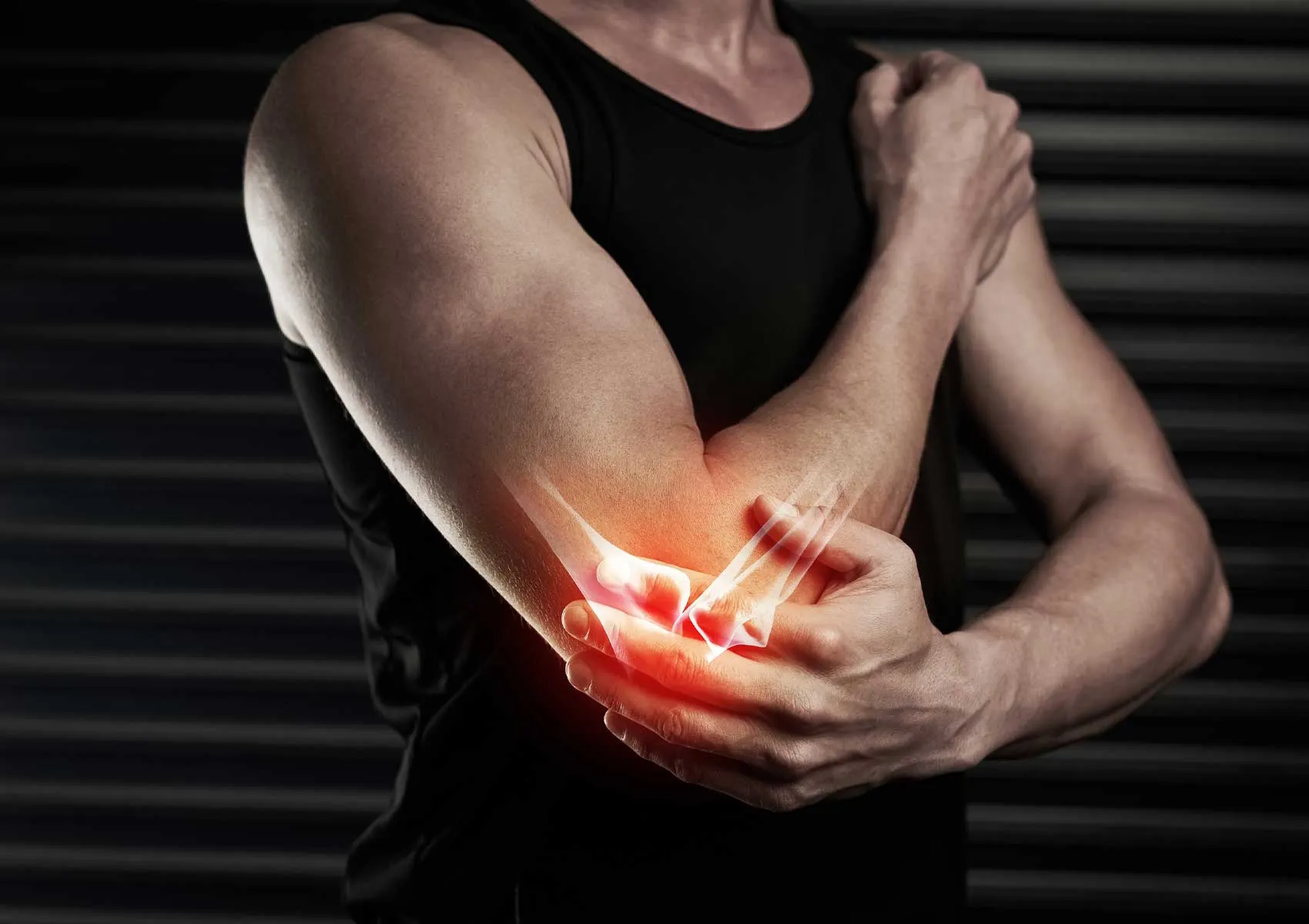
Persistent Joint Pain Resistant to Painkillers
Joint pain that persists despite painkillers may signal serious underlying health issues. This article examines the causes of joint pain unrelieved by painkillers, accurate diagnostic methods, and effective treatment options.
Joint pain is a common health problem that can significantly reduce quality of life and arises from various causes. Typically, painkillers are used to alleviate the discomfort. However, in some cases, painkillers prove ineffective, indicating a potentially different or more serious underlying cause. Proper diagnosis and treatment of joint pain that does not respond to painkillers are crucial for improving patients’ quality of life.
Causes of Joint Pain
Joint pain can stem from issues in the structures surrounding the joint, including bones, cartilage, ligaments, tendons, or muscles. Common causes include osteoarthritis, rheumatoid arthritis, meniscus tears, ligament injuries, infections, bursitis, tendinitis, and in rare cases, tumors. Trauma and injuries from sports activities also frequently lead to joint pain.
When Painkillers Are Ineffective
Painkillers, especially non-steroidal anti-inflammatory drugs (NSAIDs), muscle relaxants, and acetaminophen, are effective for mild to moderate pain. However, if there is an ongoing structural problem or inflammation within the joint, pain may persist. For example, in advanced cartilage wear, meniscal damage, or ligament tears, simply suppressing symptoms is not sufficient. Additionally, inflammatory rheumatic diseases can cause pain that painkillers alone cannot adequately control.
Accurate Diagnosis and Expert Approach
The first step in managing joint pain unresponsive to painkillers is a comprehensive orthopedic evaluation, including a detailed medical history and physical examination. Imaging techniques such as X-rays, MRI, and ultrasound are invaluable for assessing joint structures. Laboratory tests help differentiate rheumatic diseases.
Experts like Prof. Dr. Gökhan Polat, who specialize in orthopedics and traumatology, create individualized treatment plans based on thorough evaluation. Arthroscopic surgery might be necessary for sports-related meniscus or anterior cruciate ligament injuries. In cases of cartilage damage in the hip or knee, both conservative and surgical treatment options can be considered.
Alternative Treatment Methods
When painkillers fail, physical therapy, rehabilitation, intra-articular injections (corticosteroids, hyaluronic acid, PRP treatments) are commonly used. Early diagnosis and appropriate treatment can preserve joint function, especially for athletes. For advanced osteoarthritis or severely damaged joints, prosthetic surgery often provides the most effective solution.
Continuous pain negatively affects patients’ quality of life and psychological well-being; early diagnosis and tailored treatment planning are essential. Persistent pain despite painkillers should be taken seriously, and consultation with an orthopedic specialist is strongly advised.
Awareness and Preventive Measures
Maintaining joint health requires regular exercise, weight management, appropriate sports activities, and early intervention when issues arise. Athletes should take precautions against injuries, and joint problems should be evaluated promptly.
FAQ
-
Which doctor should I consult if joint pain does not improve with painkillers?
You should primarily see an orthopedic and traumatology specialist. Depending on the assessment, other specialties like rheumatology may also be involved.
-
Why are painkillers ineffective for some joint pains?
Painkillers only relieve symptoms but do not treat underlying structural problems, inflammation, or progressive diseases. Therefore, pain persists if the root cause is not addressed.
-
What alternative treatment methods exist for joint pain?
Options include physical therapy, intra-articular injections (corticosteroids, PRP), appropriate rehabilitation programs, and surgical treatments when necessary.
-
How should joint pain in athletes be evaluated?
Pain in athletes is often due to injury or overuse. Accurate diagnosis involves physical examination and imaging techniques. Early treatment helps preserve joint function.
-
What treatments are available for advanced joint damage?
For severe cartilage loss and joint deformity, prosthetic surgery is the most effective treatment. Specialist consultation is essential before surgery.