
How Long Does PRP Treatment Take to Show Effect?
PRP (Platelet Rich Plasma) therapy is a biological method rapidly gaining popularity in orthopedic and sports injuries. However, the time it takes for the treatment to show effects varies from patient to patient. In this article, we will explore the duration of PRP’s effectiveness, how it works, and elements that enhance its impact in detail.
Platelet Rich Plasma (PRP) therapy has become an innovative method widely used in recent years, especially in orthopedics and sports medicine, aimed at enhancing the body's natural tissue repair ability. The time frame for PRP to take effect varies depending on several factors such as the treated area, the patient’s general health, type and severity of the injury.
Fundamental Working Principle of PRP Therapy
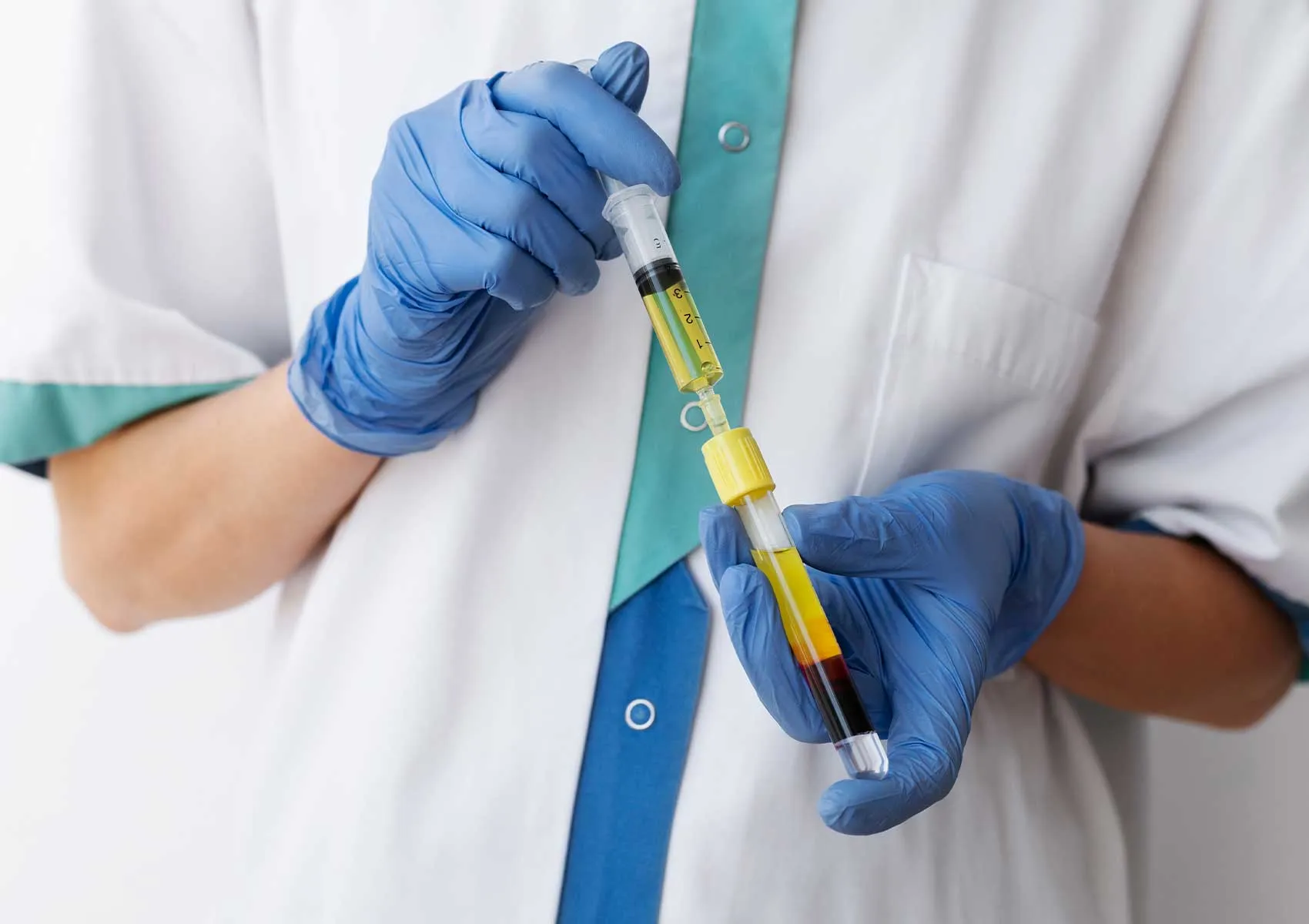
PRP treatment involves injecting plasma with a high concentration of platelets, derived from the patient’s own blood, directly into the damaged tissue. Platelets contain growth factors and proteins that accelerate the healing process. Once injected, PRP releases these growth factors which stimulate cell regeneration, collagen production, and tissue repair.
Initial Observation of Effects
Most patients begin to notice positive effects within 1 to 3 weeks after the PRP injection. During this period, reductions in pain and improvements in mobility can often be detected. However, full recovery and reaching maximum therapeutic effect typically require a period of 3 to 6 months. During this time, the body restructures itself, strengthening the injured tissue and enhancing function.
Factors Affecting the Treatment Process
- Type and severity of injury: Effects manifest faster in minor tendon injuries, while cartilage damage or chronic issues may require longer healing times.
- Number of applications: While some cases respond well to a single PRP session, severe or chronic conditions might necessitate multiple treatments.
- Patient’s overall health: Factors such as smoking, diabetes, age, and nutrition can slow down the recovery process.
- Blood supply to the treated area: Regions with good vascularization tend to experience quicker PRP effects.
- Physical therapy and rehabilitation: Appropriate rehab programs following PRP augment treatment effectiveness and speed healing.
PRP’s Effectiveness in Sports Injuries
PRP has gradually become a standard therapy for sports-related injuries such as anterior cruciate ligament (ACL) tears, meniscus problems, tendon injuries, and muscle tears. Athletes typically experience pain relief within 2 to 4 weeks and aim to regain strength and functional capacity within 6 weeks to 3 months.
Long-Term Effects of PRP Treatment
Beyond symptom relief, PRP also restores the structure and durability of damaged tissues, potentially reducing the risk of re-injury. In some patients, it might reduce the need for additional surgeries or further treatment over the long term.
Side Effects and Precautions
PRP treatment is generally safe and poses no allergy risk since it uses the patient’s own tissue. Mild pain, slight swelling, or redness at the injection site may occur. Avoiding excessive activity after the injection and following the doctor’s recommended rest period is crucial.
Important Considerations After PRP Treatment
Heavy exercise should be avoided for at least 48 hours post-injection, and the treated area should not be overstrained. Follow-up consultations and adherence to physical therapy programs are vital to accelerating recovery. Lifestyle factors such as nutrition and smoking also impact PRP effectiveness.
Conditions Favoring Higher PRP Efficacy
Early intervention—applying PRP during the acute phase of an injury—accelerates tissue healing. For chronic, long-standing problems, PRP may need to be combined with other treatments. Moreover, younger and healthier individuals often experience more notable benefits from PRP therapy.
Overall, the effects of PRP treatment typically begin within a few weeks, with maximum benefit achieved over several months. Treatment success depends on correct application, patient health status, and compliance with rehabilitation. Correct patient selection and a multidisciplinary approach are crucial in enhancing the success of PRP therapy.
FAQ
-
How long does it take for PRP treatment to reduce pain?
Pain relief typically begins to be noticeable within 1 to 3 weeks following the PRP application.
-
When can normal activities be resumed after PRP treatment?
Light activities can generally be resumed within a few days, but rest from intensive physical activities is recommended for 2 to 6 weeks.
-
Is the effect of PRP permanent?
The effects of PRP are usually long-lasting, but this can vary depending on the type of condition and the individual's lifestyle.
-
How many PRP sessions are needed?
Often a single session is sufficient, but in some chronic cases, 2 to 3 sessions may be required.
-
Who can receive PRP treatment?
PRP can be administered to people of all ages and many orthopedic conditions, but it is not recommended for individuals with blood disorders or active infections.