
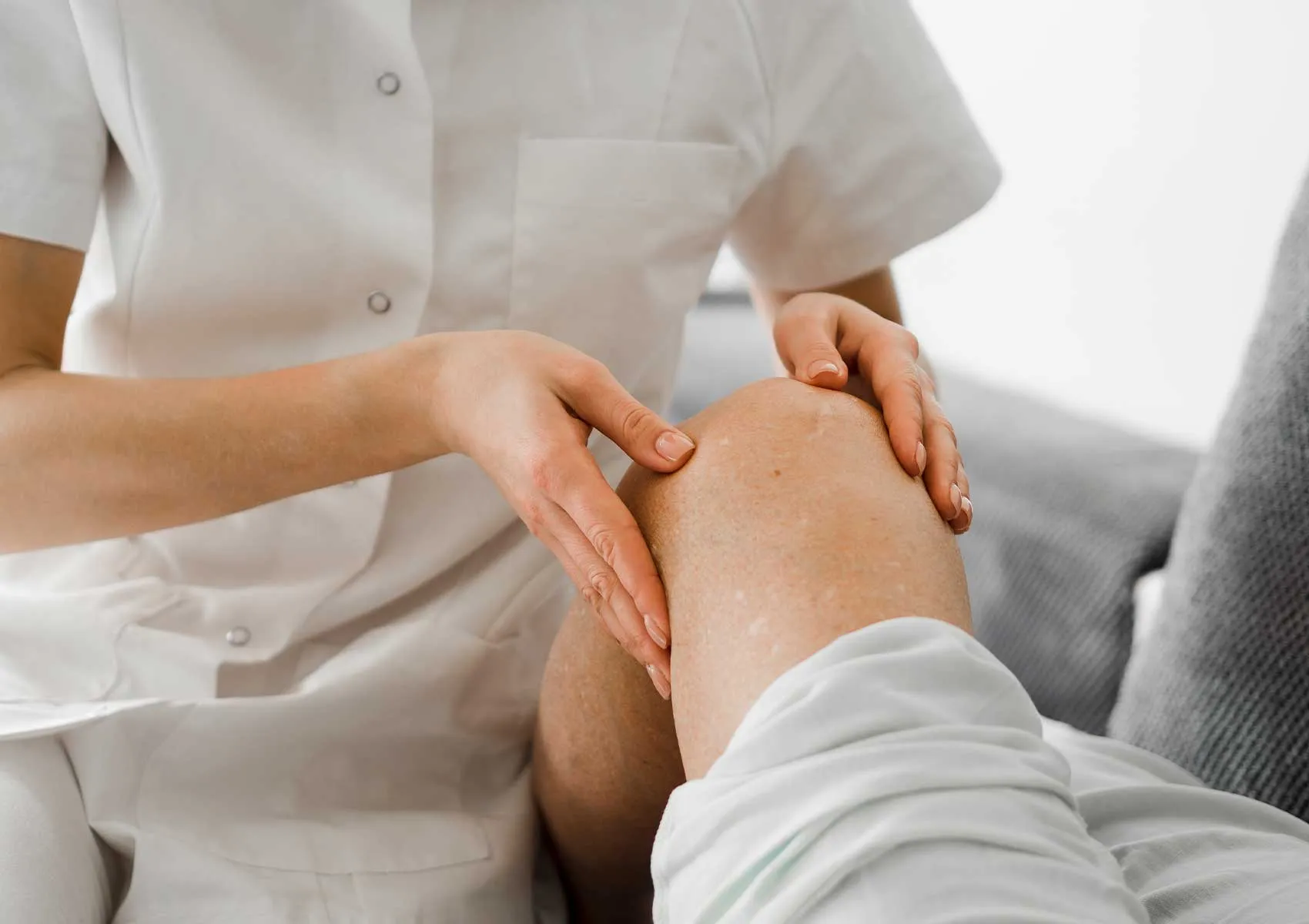
Non-Surgical Knee Treatments: PRP, Physical Therapy, and More
Knee pain and injuries negatively impact quality of life. Non-surgical knee treatments such as PRP, physical therapy, and other conservative methods play an important role. In this article, we explore these treatment options in detail.
The knee joint is one of the most heavily loaded and highly mobile joints in our body. Pain, injuries, or joint problems in the knee that arise in daily life can significantly limit a person’s freedom of movement. Especially sports injuries, cartilage damage, and degenerative diseases can negatively affect the function of the knee joint. Surgery is often considered as a last resort in all these conditions. However, non-surgical knee treatment methods developed and popularized in recent years allow patients to recover more quickly and receive treatment without the risks associated with surgery.
The foundation of non-surgical knee treatments involves reducing existing damage and pain, preserving the function of the knee joint, and supporting healing whenever possible. Among these methods, the most prominent are Platelet Rich Plasma (PRP) injections, physical therapy applications, medical rehabilitation, joint-protective approaches, and sometimes medical drug therapy.
What is PRP Treatment and How is it Used for Knee Problems?
Platelet Rich Plasma (PRP) is a blood product concentrated with platelets. Blood taken from the patient is processed via a special centrifuge to enrich it with platelets. These platelets contain growth factors that can support the tissue repair process. PRP injections may be beneficial for cartilage damage within the knee joint, mild to moderate osteoarthritis, tendon injuries, and intra-articular inflammation.
The PRP procedure is performed under sterile conditions with local anesthesia injected into the knee joint. After the procedure, patients usually rest for a short period then are able to return to their daily activities. It is frequently preferred especially by young and middle-aged patients as an alternative to surgery or as a supportive method during post-surgical recovery.
The Role of Physical Therapy and Rehabilitation
Physical therapy plays a critical role in strengthening muscles, increasing joint range of motion, and reducing pain in knee problems. A physical therapy program planned by an orthopedic specialist may include exercise therapy, manual therapy, ultrasound, and electrotherapy methods.
Strengthening muscles stabilizes the structures surrounding the knee joint. Rehabilitation after injuries such as anterior cruciate ligament tears and meniscus problems is a crucial step in the recovery process.
Pain Management with Medications and Other Supportive Methods
In non-surgical treatment processes, nonsteroidal anti-inflammatory drugs (NSAIDs) are frequently used to reduce pain and inflammation. However, these medications should be used cautiously due to potential side effects with long-term use. Additionally, weight control, appropriate footwear, and lifestyle improvements are important for maintaining knee health.
Intra-articular hyaluronic acid injections can also be utilized in non-surgical treatments. These substances help increase lubrication within the knee joint, reduce pain, and facilitate joint movement.
Who Should Prefer Non-Surgical Knee Treatments?
Non-surgical treatments are generally suitable for patients with early-stage knee problems, mild to moderate osteoarthritis, and those requiring rehabilitation after sports injuries. Surgical intervention may be necessary in cases of severe cartilage loss, accompanying bone deformities, or significant joint instability.
Patient compliance and regular monitoring are important in non-surgical treatments. The treatment program should be planned under the supervision of a doctor and physiotherapist and customized to the individual.
The Current Status and Future of Non-Surgical Knee Treatments
Significant advancements have been made recently in the field of biological therapies. Besides PRP, innovative treatments such as mesenchymal stem cell therapies and factor-supported therapies are under investigation. Although not yet standard treatments, these applications hold potential to offer alternative options to surgery for orthopedic problems.
In summary, non-surgical treatment methods for knee joint problems play an important role in improving patients' quality of life, supporting healing, and reducing surgical risk. Combining them with orthopedic evaluation and modern treatment protocols increases the chances of success.
FAQ
-
For which knee problems is PRP treatment suitable?
PRP can be effective for cartilage damage, mild to moderate osteoarthritis, tendon injuries, and intra-articular inflammation. It supports tissue repair, reduces pain, and improves function.
-
What role does physical therapy play in non-surgical knee treatment?
Physical therapy is applied to strengthen muscles, increase joint range of motion, and reduce pain. It forms the basis of rehabilitation especially after anterior cruciate ligament injuries and meniscus damage.
-
When are non-surgical methods insufficient?
Non-surgical treatment may be insufficient in cases of advanced cartilage loss, significant bone deformities, or severe joint instability, which may require surgical intervention.
-
What is the purpose of hyaluronic acid injections?
Hyaluronic acid increases joint lubrication, reduces pain, and improves mobility, providing comfort in conditions like osteoarthritis.
-
How long does success in non-surgical knee treatment typically take?
Success depends on the treated problem, patient’s age, lifestyle, and compliance with treatment. Improvement is usually observed within several weeks to months; regular follow-up is important.