
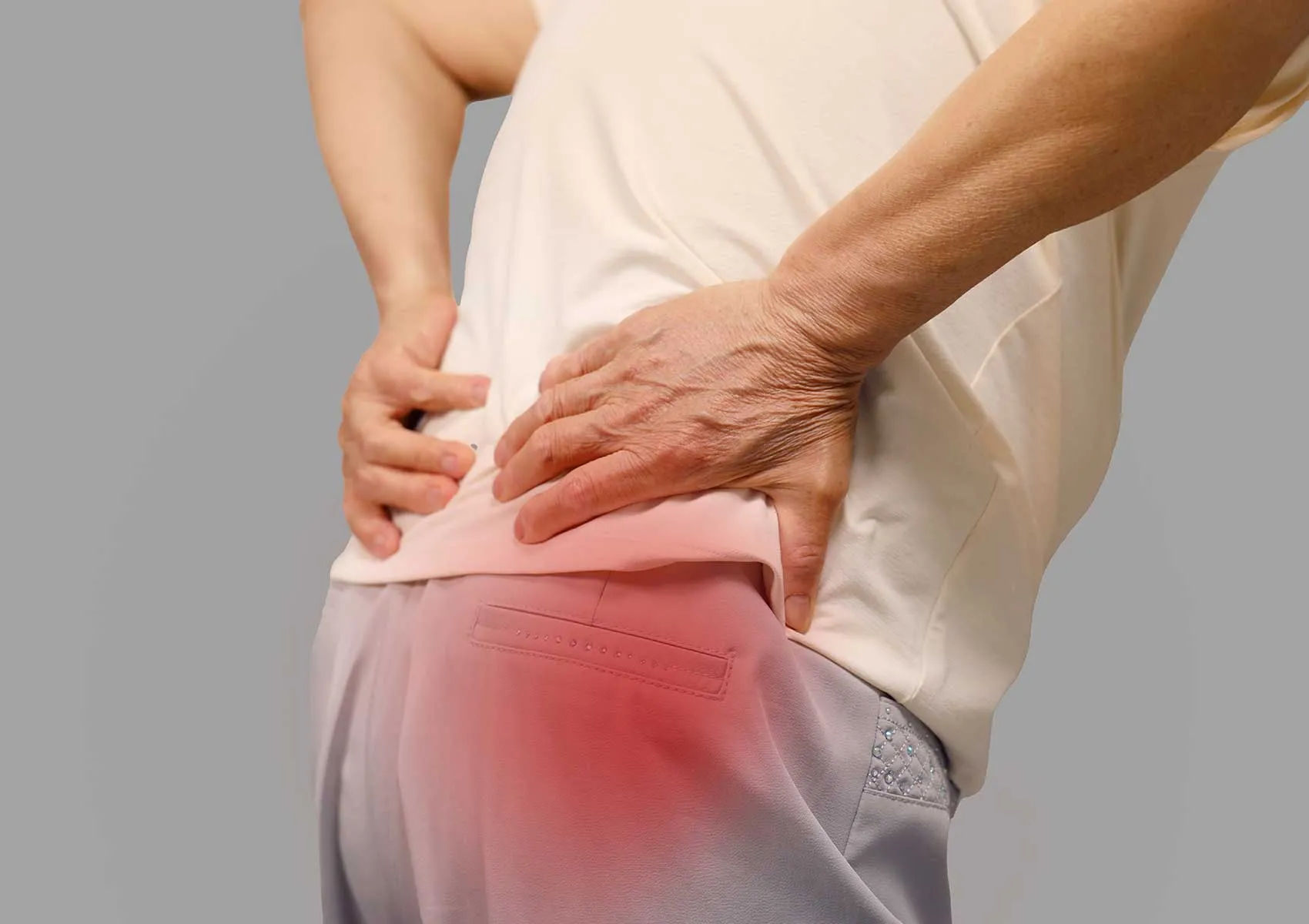
Hip Labrum Tear Surgery Over 40: What You Need to Know
Hip pain is one of the most limiting factors for active individuals in daily life. Hip labrum tears, commonly seen in middle-aged adults, can reduce mobility and impair quality of life. Hip labrum tear surgery after 40 is an important treatment option aimed at relieving pain and restoring functional capacity in this demographic.
While traditionally associated with younger athletes, improved awareness and advanced imaging techniques have led to more frequent diagnoses in those over 40. The decision to proceed with surgery is closely linked to patient expectations and the extent of joint damage. This article provides detailed, evidence-based information on treatment options, surgical procedures, and the recovery phase.
What Is a Hip Labrum Tear?
The labrum is a fibrocartilaginous structure surrounding the socket of the hip joint, called the acetabulum. It acts like a seal to enhance joint stability and preserve synovial fluid within the joint. Tears in the labrum can cause groin pain, catching sensations, and limited hip movement.
The diagram below illustrates the anatomy of the hip labrum and types of tears.
Labrum tears typically develop due to trauma or structural abnormalities. However, in people over 40, age-related degeneration also plays a significant role. This condition may sometimes coexist with other joint disorders. For more comprehensive information, visit our hip joint disorders detailed page.
Why Do Hip Labrum Tears Occur After 40?
In younger patients, labrum tears often result from sports injuries or acute trauma, but the causes can differ in those over 40. Age-related changes in tissue quality make the labrum more susceptible to injury.
A key underlying cause is femoroacetabular impingement (FAI) syndrome, where abnormal contact between the hip bones leads to labrum damage over time. Understanding femoroacetabular impingement treatment and its causes is crucial for grasping the origin of labrum tears. Repeated microtraumas and long-term intensive physical activity can also contribute to tear development.
When Is Surgery Needed for Hip Labrum Tears?
Not all labrum tears require surgery. Especially in patients over 40, the presence of a tear on an MRI does not always mean it is causing the symptoms. The decision to operate depends on the patient’s level of pain, limitations in daily activities, and response to non-surgical treatments.
Proper evaluation before and after surgery is critical for selecting the right candidates. The comparison below shows imaging methods used in surgical planning.
If pain persists despite physical therapy, activity modification, and medication, surgery may be considered. However, advanced joint arthritis (osteoarthritis) can reduce the benefits of labrum repair. Therefore, patient selection for joint-preserving surgery must be carefully conducted.
Surgical Procedure with Hip Arthroscopy
Hip arthroscopy is currently the gold standard for treating labrum tears. This minimally invasive surgery involves small incisions through which a camera and instruments are inserted to view the joint and repair the tear.
The steps of the procedure are summarized in the infographic below.
During arthroscopy, not only is the labrum repaired but bone impingements causing the tear are also trimmed and corrected. This is part of a comprehensive hip arthroscopy surgery procedure. For details and candidate criteria, see our article on What is hip arthroscopy and who is it for?.
Postoperative Recovery and Rehabilitation
The rehabilitation process following successful surgery is as crucial as the operation itself. Patients over 40 may experience a slower healing pace due to tissue recovery rates. Initial weeks often require the use of crutches and restrictions on certain movements.
The general timeline of recovery is shown in the chart below.
The rehabilitation program focuses on restoring joint range of motion and strengthening hip muscles. The following illustrations demonstrate key exercises used during recovery.
Adhering to personalized post-sport injury rehabilitation protocols accelerates return to sports and active life. Additionally, biologic treatments may be considered in some cases to support healing. Discuss options such as PRP therapy in the hip joint with your doctor.
Are There Non-Surgical Treatment Options?
Surgery is not always the first choice. For patients with mild symptoms or contraindications for surgery, conservative treatments are prioritized. These may include:
- Physical Therapy: Strengthening hip muscles to decrease joint load.
- Activity Modification: Avoiding movements that trigger pain.
- Medication: Anti-inflammatory drugs to control pain and swelling.
- Injections: Corticosteroid or hyaluronic acid injections into the joint.
Though these treatments do not heal the tear anatomically, they help manage symptoms and improve quality of life.
Risks, Expectations, and Realities
All surgeries carry certain risks. Complications of hip arthroscopy such as infection, nerve injury, or blood clots are rare but possible. A major risk in patients over 40 is overlooking or underestimating existing osteoarthritis. Labrum repair in severely damaged cartilage may not fully eliminate pain.
It is important for patients to have realistic expectations. Considering the impact of hip impingement on daily life, the goal of surgery is pain-free daily function and acceptable return to physical activity.
Conclusion and Expert Opinion
Hip labrum tear surgery after 40 can yield satisfactory outcomes when patient selection and surgical technique are appropriately performed. Age alone is not a contraindication; biological age, activity level, and cartilage condition are the key determinants. If pain significantly affects quality of life and conservative treatments fail, consulting an orthopedic specialist about treatment options is advised.
Medical Warning and Disclaimer This content is for informational purposes only. For diagnosis and treatment, please consult an orthopedic and traumatology specialist. The information provided here does not replace professional medical advice. Do not delay seeking professional care based on this content.
FAQ
-
Is surgery necessary for hip labrum tears in people over 40?
For active individuals over 40, surgery for hip labrum tears is considered based on symptom severity and impact on quality of life. Surgery may be an option if conservative treatments fail. You should consult an orthopedic specialist for advice tailored to your situation.
-
How long is the recovery period after surgery?
Recovery time varies depending on the size of the tear, surgical method, and overall health. It usually starts with physical therapy for a few weeks, and full recovery can take 3 to 6 months. Following your doctor's instructions is crucial for a successful recovery.
-
What are the risks of hip labrum surgery for those over 40?
Like any surgery, hip labrum repair carries risks such as infection, bleeding, nerve damage, and anesthesia-related complications. Age may increase some risks, but an experienced surgeon works to minimize them. Consult your doctor for detailed information.
-
Are there non-surgical treatment options?
Yes, for hip labrum tears in individuals over 40, non-surgical treatments like pain relievers, physical therapy, and injections can be tried initially. These methods may help relieve symptoms but do not repair the tear. Discuss your treatment plan with a specialist.
-
Can I return to an active lifestyle after surgery?
With proper rehabilitation and guidance from your doctor, many active individuals over 40 can return to sports and daily activities after hip labrum surgery. Regaining full function takes time and patience.