
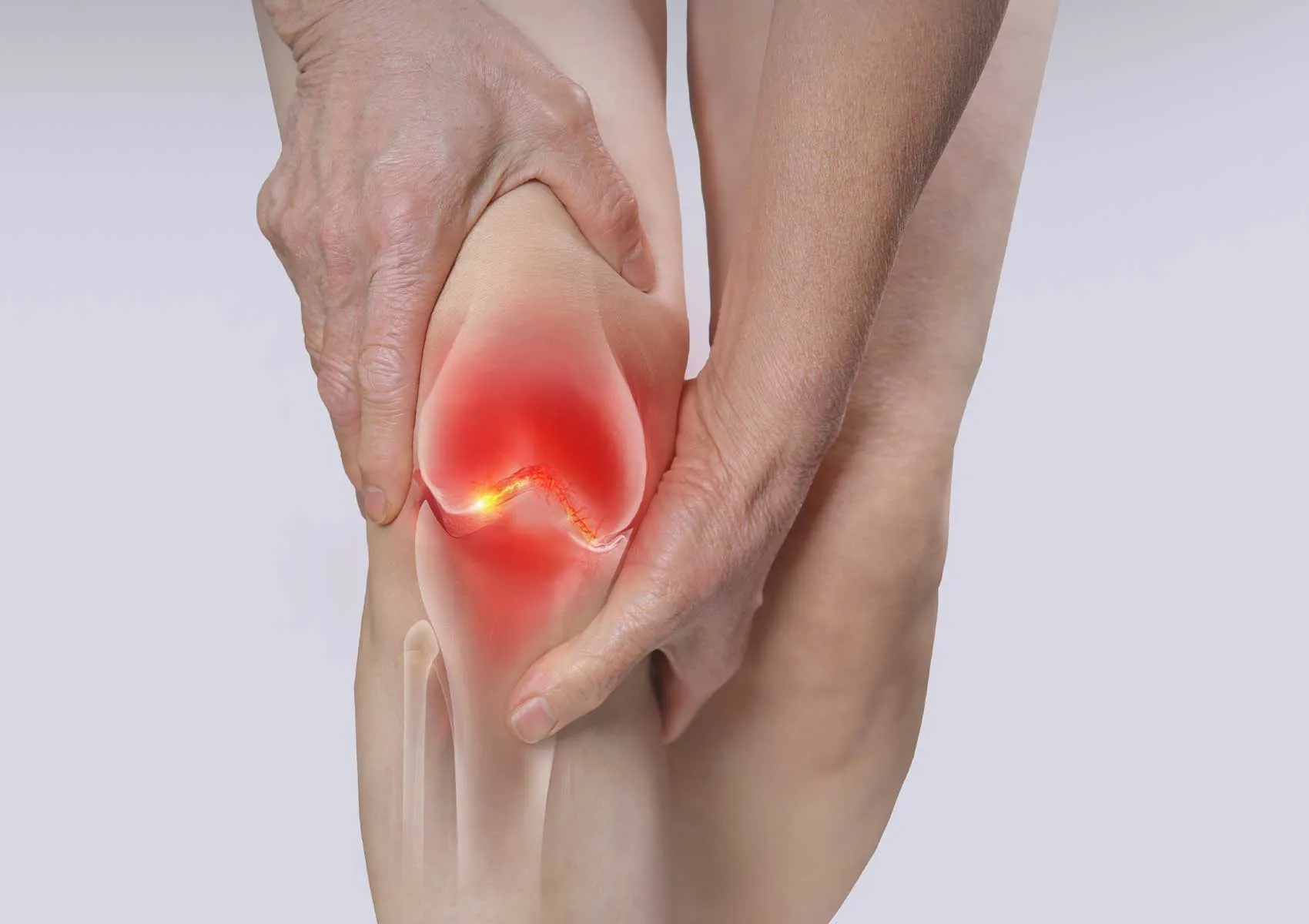
Meniscus Tear Treatment: Options and Root Repair
Meniscus tear treatment includes medical approaches aimed at protecting knee joint health and helping patients return to an active lifestyle. The menisci are C-shaped cartilage structures located between the femur (thigh bone) and tibia (shin bone) in the knee joint and play essential roles in load distribution, shock absorption, and joint stability. Damage to these structures can lead to pain, limited mobility, and long-term joint osteoarthritis. Hence, treatment planning is based on the principle of preserving as much meniscus tissue as possible.
What Is a Meniscus Tear?
A meniscus tear typically occurs due to sudden twisting movements during sports activities or degenerative changes linked with aging that compromise the meniscus tissue integrity. Critical for the biomechanics of the knee, menisci distribute the forces applied to the joint evenly. The illustration below helps visualize knee anatomy and meniscus positioning.
Damage to the meniscus exposes the joint cartilage to direct load, accelerating wear and tear processes. If untreated, this may lead to early-onset knee osteoarthritis. Therefore, meniscus tears must be regarded not only as a source of pain but also as a condition that threatens the long-term health of the knee.
Types of Meniscus Tears
The type of tear is one of the key factors determining the treatment approach. Tears are classified based on their location, shape, and vascular supply. The infographic below summarizes the common meniscus tear types and their structural characteristics.
Longitudinal Tears: Usually run parallel to the peripheral fibers of the meniscus and may develop into a "bucket handle" tear.
Radial Tears: Extend from the inner edge outward, significantly impairing the meniscus's load-bearing capacity.
Horizontal Tears: Separate the upper and lower surfaces of the meniscus; commonly degenerative in nature.
Root Tears: Involve detachment of the meniscus from its bony attachment; may cause complete loss of meniscus function and often require surgical repair.
Symptoms and Diagnostic Process
Meniscus tears may present suddenly with sharp pain or a "pop" sound at the time of injury. However, symptoms may develop gradually, especially in degenerative tears. Common symptoms include knee swelling, locking, catching sensations, and pain during full extension or flexion.
Diagnosis begins with a detailed physical examination. Tests like McMurray and Apley aim to provoke meniscus-related pain. Magnetic Resonance Imaging (MRI) is the gold standard for confirming the diagnosis, detailing the tear, and identifying any concomitant ligament or cartilage injuries, thus guiding treatment decisions.
Treatment Methods for Meniscus Tears
The treatment plan is tailored considering the patient’s age, activity level, tear type, and location. The primary goals are to alleviate pain and preserve joint function. The table below compares different treatment options and their general characteristics.
Modern meniscus tear treatments cover a broad spectrum, and each case requires individualized evaluation by an orthopedic surgeon.
Conservative Treatment
Reserved for small tears in well-vascularized (red) zones or degenerative tears in elderly patients without surgical indication. Initial management involves rest, ice, compression, and elevation (RICE protocol). Physical therapy strengthens muscles around the knee to reduce joint stress. Additionally, regenerative therapies such as PRP and stem cell treatments may support tissue healing when incorporated into the plan.
Meniscus Suturing
Performed when the meniscus can be preserved by reapproximating tear edges with specialized sutures. Preferred in younger patients and tears located in vascular areas. Suturing aims to maintain meniscus tissue, thereby reducing the risk of osteoarthritis. Strict adherence to postoperative rehabilitation protocols is essential for successful healing.
Meniscus Excision (Partial Meniscectomy)
Used for irreparable tears in avascular (white) zones or highly fragmented tears by removing only the damaged segment. The intact meniscus is preserved to maintain joint function. Recovery is generally quicker than repair but losing meniscus tissue may increase load on the articular cartilage over time.
Meniscus Root Repair
Root tears involve detachment of the meniscus at its bony insertion and are biomechanically equivalent to complete meniscus loss. Meniscus root repair surgery aims to reattach the root anatomically, restoring meniscus hoop stress function and protecting the cartilage. The diagram below illustrates the key steps of this complex procedure.
In this procedure, tunnels are drilled to refix the torn root to the bone, reestablishing the meniscus’s load-distributing capability and preserving joint cartilage.
Surgical Procedure and Techniques
Meniscus surgeries are mostly performed arthroscopically, a minimally invasive technique using a camera and instruments introduced through small incisions. Arthroscopy reduces soft tissue damage, allowing faster recovery and less postoperative pain.
Standard arthroscopic knee surgery is performed under spinal or general anesthesia. The surgeon visualizes the joint on a monitor, assesses the tear, and carries out the planned intervention—suturing, excision, or root repair. Surgery duration ranges from 30 minutes to 2 hours based on the complexity.
Rehabilitation and Recovery
Postoperative care critically impacts surgical outcomes. Rehabilitation following sports injuries is personalized to restore muscle strength and joint mobility. Patients who undergo meniscectomy often bear weight immediately, whereas those with meniscus repair or root reconstruction require restricted weight-bearing and crutch use for a period.
The following illustrations outline key exercises used during recovery.
Under physiotherapist supervision, these exercises accelerate safe return to sports and daily activities.
How to Prevent Meniscus Tears?
While complete prevention of meniscus tears is not always possible, risk reduction is achievable. Regular exercises that strengthen thigh muscles (quadriceps and hamstrings) reduce knee joint load. Proper warm-up and stretching before sports enhance tissue flexibility. Awareness regarding anterior cruciate ligament injuries is also crucial, as ligament damage often accompanies meniscus tears and compromises knee stability.
References and Legal Disclaimer
The information in this article is based on internationally recognized scientific sources such as PubMed, the American Academy of Orthopaedic Surgeons (AAOS), and Mayo Clinic, as well as current orthopedic literature. It is designed for patient education and awareness.
This content is for general informational purposes only and does not constitute medical advice. It should not replace professional medical diagnosis or treatment. If you have health concerns or questions, please consult a qualified healthcare provider. The author and publisher do not accept liability for any consequences resulting from the use of this content.
FAQ
-
What is a meniscus tear and what are its symptoms?
The meniscus is cartilage in the knee joint. Tears usually cause pain, swelling, locking sensation, and limited motion. Symptom severity varies depending on tear type. It is important to consult an orthopedic specialist for accurate diagnosis and treatment planning.
-
How is a meniscus tear treated?
Treatment depends on the tear’s type, size, location, and patient's age and activity level. Conservative methods (rest, physical therapy) or surgery (suturing, excision, root repair) may be used. Always consult a doctor to determine the best option.
-
What is the difference between meniscus suturing and meniscus root repair?
Meniscus suturing reconnects the torn edges within the meniscus body. Meniscus root repair specifically addresses tears where the meniscus attaches to the bone, restoring its original function; this is a more complex surgical procedure.
-
How long is the recovery period after meniscus surgery?
Recovery varies depending on surgery type and individual factors. Recovery from meniscectomy is faster, while repair procedures require longer rehabilitation. Generally, physical therapy and limited activity start within weeks, with full return to sports taking several months.
-
Can meniscus tears be prevented?
Complete prevention is not always possible, but risks can be minimized. Strengthening exercises for the knees, proper sports techniques, avoiding sudden movements, weight control, and protecting from severe knee trauma help reduce risk.