
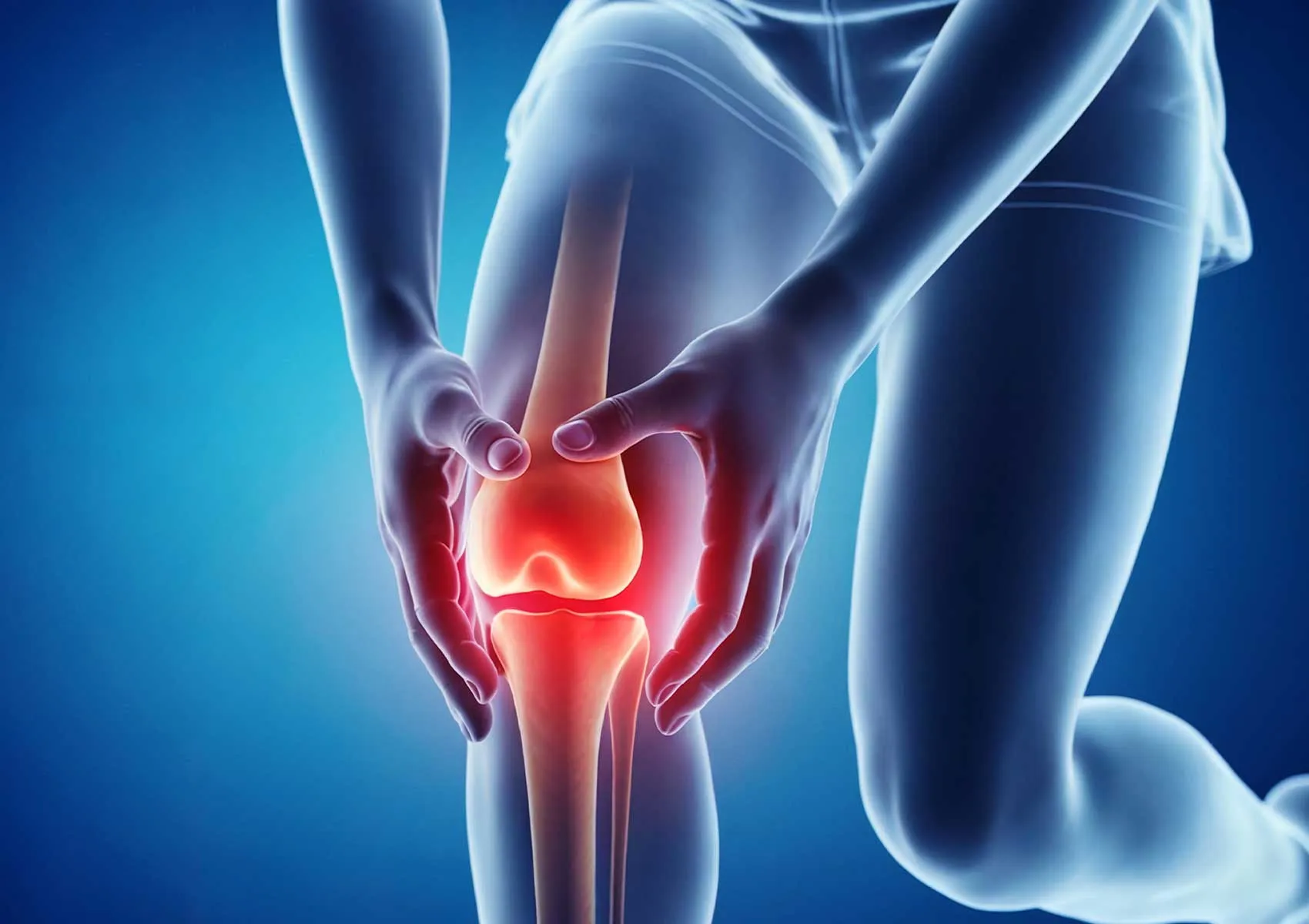
Meniscus Root Tear: Diagnosis, Symptoms, and Treatment Options
The menisci play a critical role in the healthy function of the knee joint and can be injured for various reasons. Among these injuries, a meniscus root tear is a distinct and serious condition characterized by the detachment of the meniscus from its attachment point on the bone inside the knee. Compared to other meniscal tears, this injury can have more destructive effects on the knee’s biomechanics, potentially causing the meniscus to lose its shock-absorbing and load-distributing functions entirely. Therefore, understanding the meniscus root tear, making an early diagnosis, and selecting appropriate treatment methods are crucial for protecting knee health and preventing progressive joint damage.
This guide provides a detailed look at what a meniscus root tear is, its anatomical basis, symptoms, modern diagnostic techniques, and up-to-date treatment approaches. Our goal is to offer scientific and clear information on this complex knee injury, helping patients be better informed throughout their treatment process.
What Is a Meniscus Root Tear?
A meniscus root tear occurs at the "root" or “attachment” area where the meniscus connects to the tibia, the shinbone. This tear causes a functional detachment of the meniscus from the joint. As a result, the load on the knee falls directly on the cartilage, leading to significant consequences. While it often results from sudden twisting motions or trauma, degenerative changes can also predispose the tendon to this type of injury. Sometimes, such injuries occur alongside other knee problems, like anterior cruciate ligament injuries.
Anatomy of the Meniscus
Inside the knee joint, two C-shaped cartilage structures—the medial (inner) and lateral (outer) menisci—sit between the thigh bone (femur) and the shinbone (tibia). These structures enhance the congruity between joint surfaces, absorb and distribute loads, aid in joint fluid circulation, and contribute to knee stability. The roots of the menisci are the anterior and posterior attachments where these structures firmly anchor to the bone.
The diagram below visualizes the knee anatomy and the location where meniscus root tears occur.
Differences Between Meniscus Root Tears and Other Meniscus Tears
Other meniscus tears typically occur in the body of the meniscus, preserving the bone attachments. However, in a meniscus root tear, the meniscus completely detaches from the bone. This eliminates the meniscus's mechanical property known as “hoop stress,” which allows it to distribute loads. Research by the American Academy of Orthopaedic Surgeons (AAOS) shows that untreated root tears lead to biomechanical outcomes comparable to total meniscectomy (complete removal of the meniscus). Therefore, root tears are functionally equivalent to the absence of the meniscus.
Symptoms of Meniscus Root Tear
Symptoms of a meniscus root tear vary depending on whether the tear is traumatic or degenerative. The most common clinical signs include:
- Sudden and Sharp Pain: Particularly felt at the back of the knee, often described as a “pop” or “snap” at the moment of injury.
- Swelling and Effusion: Noticeable swelling inside the knee joint following injury.
- Limited Range of Motion: Difficulty fully bending or straightening the knee.
- Catching and Locking Sensations: Feeling the knee catching, locking, or giving way during movement.
- Pain with Weight Bearing: Discomfort especially when descending stairs, squatting, or standing.
- Tenderness: Increased sensitivity to touch along the joint line, particularly in the inner or outer posterior knee.
If you experience these symptoms, it is important to consult an orthopaedic and trauma specialist without delay for proper diagnosis and treatment.
Diagnostic Methods
An accurate diagnosis of a meniscus root tear involves a combination of patient history, physical examination findings, and advanced imaging techniques. The diagnostic process usually begins with a clinical assessment by an orthopaedic specialist.
The flowchart below outlines the steps in diagnosis and treatment.
Physical Examination and Clinical Signs
After listening to the patient’s complaints, the doctor performs a detailed physical examination to assess tenderness, swelling, and the range of motion in the knee. Special tests to detect meniscus tears (such as McMurray or Apley tests) may be performed. However, root tears may not always produce specific findings on physical exam, so a definitive diagnosis is rarely made based on exam alone.
MRI and Imaging Techniques
Magnetic Resonance Imaging (MRI) is the gold standard for diagnosing meniscus root tears. MRI clearly visualizes the meniscus, its root attachments, cartilage surfaces, and other soft tissues, enabling precise identification of the tear’s presence, location, and type. Experts at Mayo Clinic emphasize the effectiveness of MRI not only in detecting root tears but also in identifying related bone marrow edema and other findings.
The image below shows a typical MRI slice illustrating a meniscus root tear.
Treatment Options
Treatment for meniscus root tears is individualized, taking into account the patient’s age, activity level, tear type, and degree of cartilage damage. Treatment options are divided into non-surgical (conservative) and surgical methods.
The comparison table below summarizes key characteristics of conservative and surgical treatment outcomes.
Conservative Treatment Options
Conservative treatment may be considered for patients who are not suitable for surgery, such as older adults, those with low activity levels, or individuals with significant knee osteoarthritis. This approach aims to relieve symptoms but does not heal the tear. Methods include:
- Rest and Activity Modification: Avoiding activities that load the knee.
- Ice and Medication: Using anti-inflammatory drugs to control pain and swelling.
- Physical Therapy: Strengthening muscles around the knee to improve stability.
- Intra-articular Injections: Temporary relief through corticosteroid or hyaluronic acid injections. Biological treatments like PRP and stem cell therapies may also be considered.
Meniscus Root Repair Surgery
For younger, active patients without advanced knee arthritis, surgical repair is the most effective treatment. The goal is to anatomically reattach the torn meniscus root to its original position, restoring meniscus function. This is performed arthroscopically using the meniscus root repair technique. During surgery, special sutures and implants secure the meniscus root back to the bone. This procedure restores the meniscus’s hoop stress, preserving knee biomechanics and reducing the risk of arthritis. A recent study published on PubMed shows that successful root repair significantly improves knee function. Biological adjuncts such as PRP therapy may be used to support healing.
The illustration below outlines the key steps of arthroscopic meniscus root repair surgery.
Postoperative Recovery and Rehabilitation
The postoperative recovery period after meniscus root repair is crucial for successful healing. Patients must strictly follow protocols provided by their surgeon and physical therapist. Usually, no weight-bearing on the knee is allowed for the first 4–6 weeks, and a special knee brace is used. Passive range-of-motion exercises help maintain joint mobility during this phase.
Gradually, weight-bearing is introduced along with muscle strengthening exercises. A comprehensive sports injury rehabilitation program supports safe return to sports and daily activities. Full recovery and return to sports typically take 4 to 6 months.
Some key postoperative exercises are illustrated below.
Long-Term Effects of Meniscus Root Tears
If left untreated, a meniscus root tear can lead to serious long-term knee problems. Loss of the meniscus’s shock-absorbing function causes excessive load on the joint cartilage, leading to cartilage damage and early development of knee osteoarthritis. In advanced cases, pain and functional loss can worsen, sometimes necessitating more extensive surgeries such as knee replacement. Therefore, early diagnosis and appropriate treatment of meniscus root tears are vital for maintaining long-term knee health.
Conclusion
A meniscus root tear is a serious injury that disrupts knee biomechanics and, if untreated, leads to early osteoarthritis. It typically presents with sudden pain, swelling, and locking sensations in the knee, with MRI playing a critical role in diagnosis. Treatment plans depend on individual factors, but arthroscopic repair is the most effective option for young, active patients to restore knee function and preserve long-term joint health. If you suspect a meniscus root tear, prompt consultation with an orthopaedic and trauma specialist is essential to establish an accurate diagnosis and tailored treatment plan.
This content is intended for general informational purposes only and does not substitute professional medical advice, diagnosis, or treatment. Always consult a qualified healthcare professional with any questions regarding your health. Never disregard or delay seeking professional medical advice based on information you have read on this website.
FAQ
-
What is a meniscus root tear?
A meniscus root tear is a severe tear occurring where the meniscus attaches to the bone. It disrupts the meniscus's function, which is crucial for knee stability and shock absorption, potentially causing pain and arthritis in the knee. It is important to consult a specialist for diagnosis and treatment.
-
What are the symptoms of a meniscus root tear?
Common symptoms include sudden or gradually increasing knee pain, swelling, limited movement, and a sensation of catching or locking in the knee. Pain may worsen during squatting or twisting motions. If you experience these symptoms, you should see an orthopedic specialist.
-
How is a meniscus root tear diagnosed?
Diagnosis is usually based on the patient's symptoms, physical examination, and imaging techniques. Magnetic Resonance Imaging (MRI) is the most effective tool to clearly show meniscus root tears. A specialist should evaluate to ensure an accurate diagnosis.
-
What are the treatment options for a meniscus root tear?
Treatment varies depending on the type of tear, patient age, and activity level. Surgical repair (meniscus root repair) is often recommended for younger, active patients, while conservative treatments like rest and physical therapy may be appropriate in some cases. Discuss treatment options with your doctor.
-
What is the recovery process after meniscus root repair surgery?
Recovery depends on the severity of the tear and the surgical technique used but generally takes around 4 to 6 months. Adhering to a physical therapy and rehabilitation program during this time is very important. Following the instructions from your doctor and physiotherapist is critical for successful recovery.