
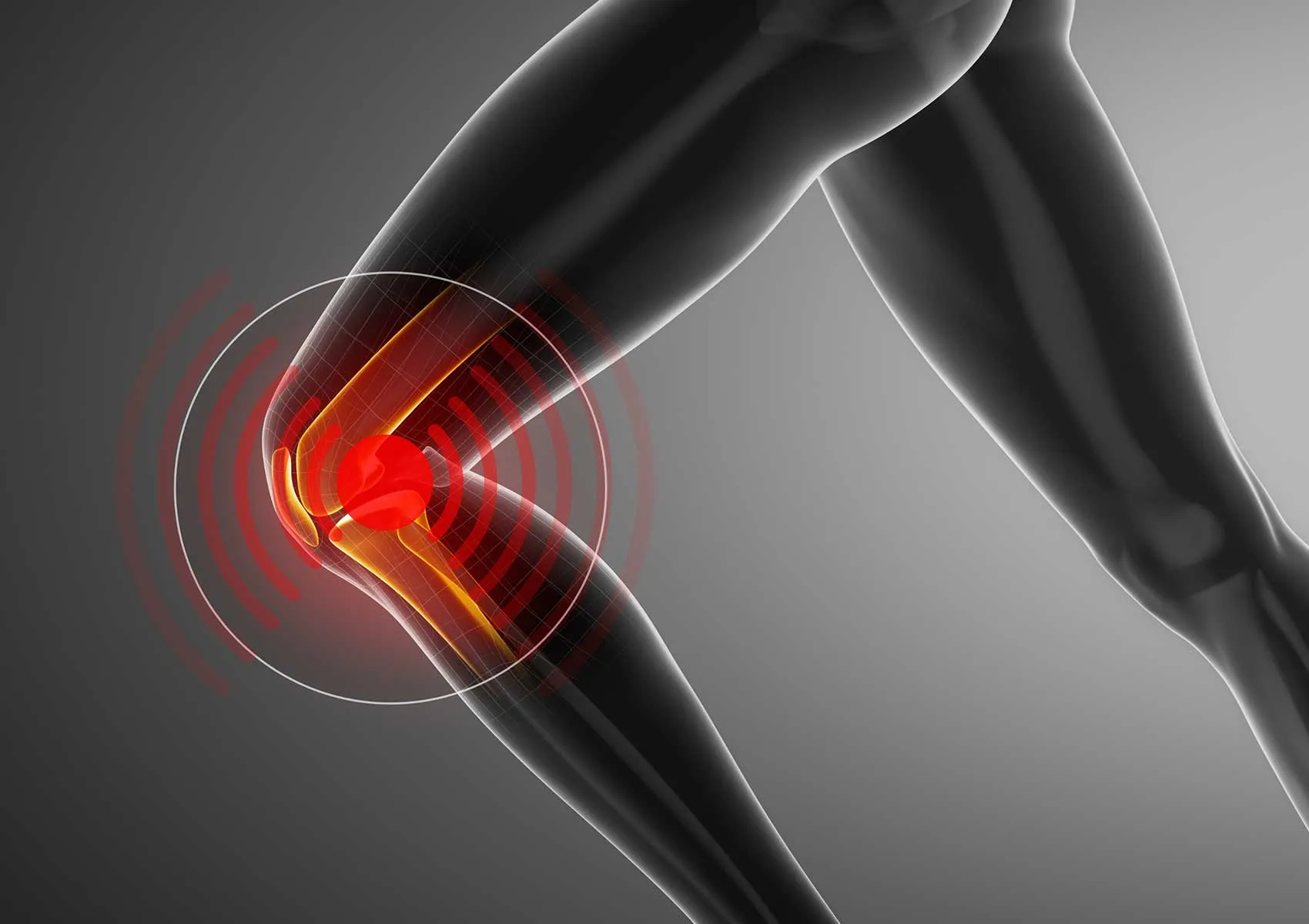
Meniscus Tear Treatment: Repair vs. Removal Compared
Meniscus tears are among the most common knee injuries, especially in athletes and physically active individuals. Symptoms such as knee pain, locking, and limited movement often arise, and if left untreated, these injuries can significantly impact quality of life. Meniscus tear treatment varies depending on the patient’s age, tear type, and location. Today, the two most common surgical approaches are meniscus repair (suturing) and meniscus excision (partial removal).
Choosing between these two methods is crucial for the long-term health of the knee. Repair focuses on preserving the tissue to maintain natural biomechanics, while excision aims for rapid symptom relief but may increase the risk of osteoarthritis. This article examines the scientific evidence behind the advantages, disadvantages, and indications for each treatment approach.
Medical Disclaimer
This content does not constitute medical advice. It is provided for informational purposes only. Diagnosis and treatment plans should be made following evaluation by a healthcare professional. Always consult with an orthopedic specialist before making any treatment decisions.
What Is a Meniscus Tear and How Does It Occur?
The menisci are C-shaped cartilage structures located between the thighbone and shinbone in the knee joint. These structures increase the load-bearing capacity of the knee, absorb shock, and provide joint stability. Meniscus tears can result from sudden twisting motions or degenerative changes over time. The answer to what is a meniscus tear? is usually linked to traumatic or degenerative processes. While sports injuries predominate in younger individuals, degeneration-related tears can occur even with simple movements in older adults.
Classification of tears plays a key role in treatment planning. The shape of the tear (radial, bucket-handle, flap, etc.) and its distance to blood supply zones (red-red, red-white, white-white zones) directly affect healing potential. The infographic below illustrates meniscus tear types and locations.
Treatment Options for Meniscus Tears
Treatment approaches for meniscus tears are broadly divided into conservative (non-surgical) and surgical methods. Not all tears require surgery; small, stable tears without mechanical symptoms (locking, catching) may be managed with rest, ice, physiotherapy, and medication. Decisions about the necessity of meniscus surgery depend on symptom severity and healing potential.
When surgery is needed, arthroscopic (minimally invasive) techniques are standard in modern orthopedics. Surgical approaches primarily involve either "repair," which preserves tissue, or "excision," which removes damaged parts. Since other sources of knee pain besides meniscus tears can cause similar symptoms, differential diagnosis must be thorough.
Repair (Suturing) Method: When Is It Preferred?
Meniscus repair involves stitching the torn meniscus tissue back together using specialized sutures or implants. The main goal is to preserve the meniscus to maintain its load-bearing and shock-absorbing functions. Preserving the meniscus is important for reducing the future risk of knee osteoarthritis.
Repair is usually chosen in these cases:
- Young and active patients: Individuals with good tissue quality and healing potential.
- Well-vascularized areas (Red-Red Zone): The outer third of the meniscus receives good blood supply, which supports healing.
- Longitudinal (vertical) tears: Tear types suitable for suturing.
- Concurrent ligament surgeries: Repair combined with anterior cruciate ligament reconstruction has higher healing rates due to biological factors.
Excision (Removal) Method: When Is It Applied?
Also known as meniscectomy, excision involves surgically removing the torn and damaged parts of the meniscus. Partial meniscectomy is commonly preferred, meaning only the damaged segments affecting the joint surface are removed while preserving as much healthy tissue as possible.
Excision is indicated for:
- Tears with no healing potential: Tears located in the meniscus’s avascular central zone (White-White Zone).
- Complex and degenerative tears: Tissue that is fragmented or structurally compromised and not amenable to repair.
- Older patients with lower activity levels: Situations where rapid recovery is prioritized and tissue quality does not support repair.
- Mechanical block: Cases where a torn fragment locks the joint and immediate removal is necessary.
Comparison Between Repair and Excision
Each method has distinct advantages and risks. Repair offers biological preservation but requires a longer healing period. Excision provides faster recovery but increases load on the cartilage due to reduced meniscus volume, potentially leading to long-term joint degeneration. Treatment planning for meniscus tears balances these factors. The diagram below summarizes the key differences between these surgical techniques.
Scientific research shows that preserving the meniscus is critical for long-term joint health. However, repair carries a slightly higher risk of re-tearing compared to excision. Conversely, patients who undergo excision have a significantly greater risk of developing osteoarthritis over time.
Which Tear Type Suits Which Method?
There is no universal "right answer"—treatment is individualized based on the tear’s anatomical location and morphology. For example, bucket-handle tears are usually repaired, while flap or complex degenerative tears are better suited for excision. Also, in cases combined with anterior cruciate ligament injury treatment, surgeons may be more inclined to repair the meniscus because healing is more successful in a stable knee.
The treatment decision algorithm is detailed in the flowchart below.
Postoperative Recovery and Rehabilitation
Recovery differs significantly depending on the chosen method.
- After Excision: Patients often bear weight immediately post-surgery and may return to daily activities or sports within 3-4 weeks. The rehabilitation period is shorter.
- After Repair: Recovery is more cautious. Weight-bearing may be limited, or range-of-motion restrictions applied for 4-6 weeks to allow sutures to heal. Return to sports usually takes 4-6 months.
Failed meniscus surgeries or neglected tears can lead to knee replacement surgery due to advanced osteoarthritis in later years. Therefore, adherence to rehabilitation protocols is essential. The timeline below outlines recovery stages for both treatments.
Postoperative knee exercises are illustrated in the image below.
Alternative and Supportive Treatments
In addition to surgery or where surgery is not indicated, biological treatments such as PRP and stem cell therapies may be considered to enhance healing, especially after repairs. These regenerative methods aim to boost the tissue’s biological repair capacity.
This content does not provide medical advice and is for informational purposes only. Diagnosis and treatment should be planned by a healthcare professional after examination. The information here is not a substitute for professional medical advice, diagnosis, or treatment. Always consult a specialist regarding any health concerns or treatment decisions.