
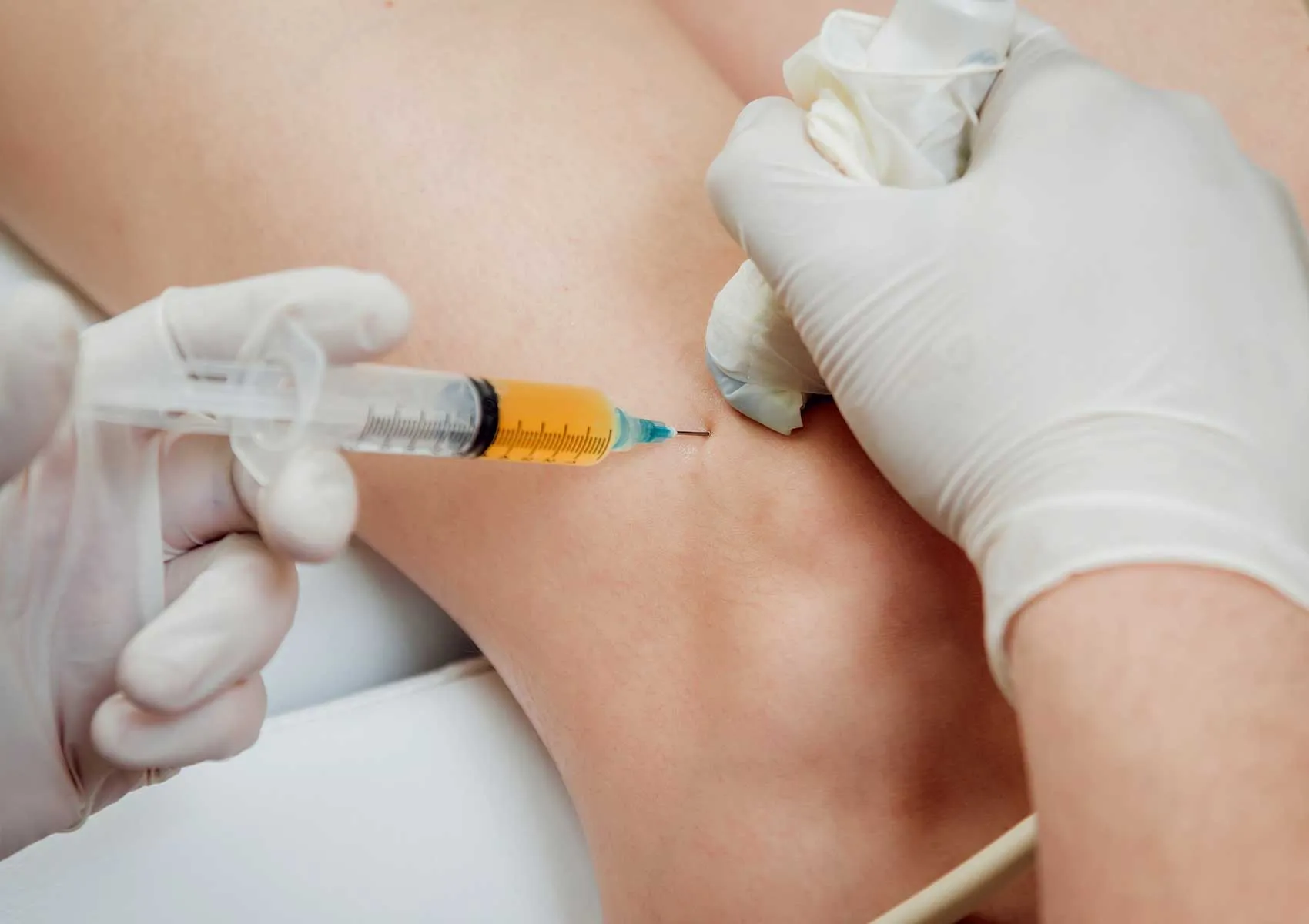
Knee Stem Cell Therapy: Scientific Facts and Applications
Regenerative medicine applications in orthopedics and traumatology have attracted increasing attention in recent years. In particular, the search for non-surgical treatment options and preservation of joint health has highlighted the importance of biological therapies. In this context, knee stem cell therapy has emerged as a promising approach for managing cartilage injuries and joint osteoarthritis.
This treatment method aims to support the repair of damaged tissues by utilizing the body’s inherent healing potential. Unlike conventional pain-relief medications, the approach targets biological processes to achieve longer-term functional improvements. However, as with any medical procedure, it is critical that this therapy is applied based on scientific evidence, to the appropriate patient group, and using suitable techniques. Below, the therapy’s specifics, indications, and scientific truths are examined comprehensively.
What Is Knee Stem Cell Therapy?
Knee stem cell therapy involves harvesting stem cells derived from the patient’s own body (autologous), processing them through specialized techniques, and injecting them into the knee joint. The purpose is to promote tissue regeneration and reduce inflammation. The main goal is to improve the intra-articular environment to decrease pain and minimize loss of joint function.
For more detailed information, please visit our cellular therapies page.
Definition and Characteristics of Stem Cells
Stem cells are primary cells capable of differentiating into various cell types in the body. They have self-renewal capacity and contribute to tissue repair. Mesenchymal stem cells used in orthopedics can differentiate into cartilage, bone, muscle, and fat tissue. Additionally, they secrete growth factors and cytokines that can accelerate healing processes in the targeted areas.
Types of Stem Cells Used in the Knee
In clinical practice, the most common sources are bone marrow and adipose (fat) tissue. Bone marrow aspirate concentrate (BMAC) is typically harvested from the pelvic bone and is known for its potential in cartilage repair. Stem cells from adipose tissue (stromal vascular fraction - SVF) are obtained from abdominal or thigh fat and are notable for their high viable cell count. The choice of source depends on the patient’s condition and the physician’s evaluation.
When Is Knee Stem Cell Therapy Applied?
This treatment is not suitable for every case of knee pain or cartilage issue. Evidence shows that better results are observed in specific indications. A thorough clinical examination and imaging evaluation are essential before deciding on treatment.
Cartilage Damage and Early-Stage Osteoarthritis
Degeneration of joint cartilage leads to pain and limited mobility and is a key factor in joint disorders. Cartilage diseases tend to be progressive. Stem cell therapy is primarily preferred in early to moderate stages of osteoarthritis (stage 1 and 2), where cartilage loss is incomplete but quality is compromised. The therapy aims to preserve existing cartilage and support its repair. In advanced osteoarthritis stages, effectiveness may be limited.
Sports Injuries and Knee Trauma
This therapy is also utilized for active athletes or trauma cases involving meniscal tears, ligament injuries, and focal cartilage lesions. It can accelerate healing of surgically repaired tissues or support treatment of partial tears unsuitable for surgery. For example, in anterior cruciate ligament injury treatment, stem cell applications may provide biological support.
How Is the Treatment Process Carried Out?
Stem cell treatment is a minimally invasive procedure performed under sterile operating room conditions. The process consists of three main stages: cell harvesting, processing, and application.
The diagram below visualizes precise anatomical areas on the knee where stem cells are injected.
Harvesting and Preparing Stem Cells
The procedure is usually performed under local anesthesia or sedation. For bone marrow extraction, a special needle is inserted into the pelvic bone; for adipose tissue, the needle accesses the abdominal region. Collected tissue is then centrifuged and filtered to obtain a concentrated stem cell preparation.
This preparation process is summarized in the following flowchart.
Application Methods and Procedure
The concentrated stem cell preparation is injected into the knee joint under ultrasound or fluoroscopic (X-ray) guidance. Imaging ensures precise delivery to the damaged area. The patient is typically discharged the same day. Post-injection rest for a few days is recommended, and a rehabilitation program may be initiated.
The image below shows a knee MRI or X-ray of a knee following stem cell application (anonymous patient).
Potential Benefits and Limitations
Stem cell therapy is not a miraculous cure but can provide notable clinical improvements in selected patients. Managing realistic expectations is crucial for patient satisfaction. Detailed information is available on our stem cell applications for cartilage damage page.
Symptomatic Improvement and Functional Support
Most patients experience reduced pain and improved joint mobility following injections. Suppressing inflammation allows for a more comfortable return to daily activities. Common benefits reported include decreased night pain and increased walking capacity.
The infographic below details the role of stem cells in cartilage repair.
Scientific Limitations and Individual Variability
Current research does not conclusively confirm that stem cell therapy completely regenerates cartilage or restores original joint conditions. Effects vary based on patient age, weight, overall health, and injury extent. Some patients achieve significant improvements, while others see limited benefits. Therefore, therapy should be personalized.
Risks, Side Effects, and Eligibility Criteria
As a biological treatment, the risk of serious side effects is low, though every medical procedure carries some risk.
Possible Risks and Side Effects
Common side effects include temporary pain, swelling, or bruising at the injection site. Rare complications include infection or allergic reactions. Since autologous cells are used, rejection is not a concern. When performed under sterile conditions by experienced physicians, complication rates are minimal.
Who Is Suitable for the Therapy?
Patients with active infections, bleeding disorders, or advanced-stage cancer may not be candidates. Those with severe osteoarthritis causing bone-on-bone contact should be evaluated for knee replacement surgery eligibility, with surgical options prioritized.
Factors Affecting Cost
Costs of knee stem cell therapy vary depending on protocols and technology used. Key cost influencers include:
- Quality of stem cell kits and consumables.
- Facility standards where the procedure is performed.
- Whether cells are harvested from bone marrow or adipose tissue (which affects procedure duration and equipment).
- Use of imaging modalities (ultrasound, fluoroscopy).
- Experience and expertise of the administering physician.
Alternative Treatments and Combination Approaches
Stem cell therapy can be administered alone or combined with other treatments to enhance outcomes. Platelet-rich plasma (PRP) therapy for sports injuries, for instance, may have synergistic effects when used alongside stem cells.
In mechanical problems requiring surgery, stem cells may be applied during or after arthroscopic cartilage repair to improve surgical results. Treatment plans should be holistic and based on patient needs.
In summary, knee stem cell therapy offers an effective biological option to improve quality of life when indicated appropriately. Treatment success depends on correct patient selection and application by an expert team.
This content is for informational purposes and provides general medical information. Diagnosis and treatment plans depend on individual physician assessment. The information here does not replace professional medical advice and examination.
FAQ
-
Is stem cell therapy a guaranteed cure for knee pain?
Stem cell therapy shows promise in reducing knee pain and repairing cartilage damage. However, it is not a guaranteed or sole solution for every patient; results vary individually and full recovery cannot be assured. It is important to consult a specialist before proceeding with treatment.
-
Who is eligible for knee stem cell therapy?
This therapy is generally suitable for patients with cartilage damage in the knee, early-stage osteoarthritis, or sports injuries. Eligibility depends on the patient’s overall health and the disease stage and should be evaluated by a specialist.
-
Do stem cells completely regenerate knee cartilage?
The goal of stem cell therapy is to support the cartilage’s natural repair ability and reduce damage. Current scientific evidence indicates it mainly aims for partial repair and symptom improvement, rather than full restoration of the cartilage.
-
Is knee stem cell therapy a painful procedure?
Stem cell extraction and application are usually performed under local anesthesia to minimize pain. Mild discomfort or pain may occur after the procedure but is generally manageable.
-
Are there potential risks or side effects of stem cell therapy?
As with any medical procedure, stem cell therapy carries potential risks such as infection, bleeding, allergic reactions, or pain at the treatment site. These risks are typically low and should be thoroughly explained by a healthcare professional.