
ACL Surgery: What to Know and Recovery Process
Anterior cruciate ligament surgery is a surgical procedure performed when the anterior cruciate ligament (ACL)—one of the key stabilizers of the knee joint—is torn or no longer functional. This injury is particularly common among athletes and physically active individuals, often resulting in a feeling of instability and limited rotational movement in the knee. The treatment approach varies based on the severity of the injury and the patient’s expectations.
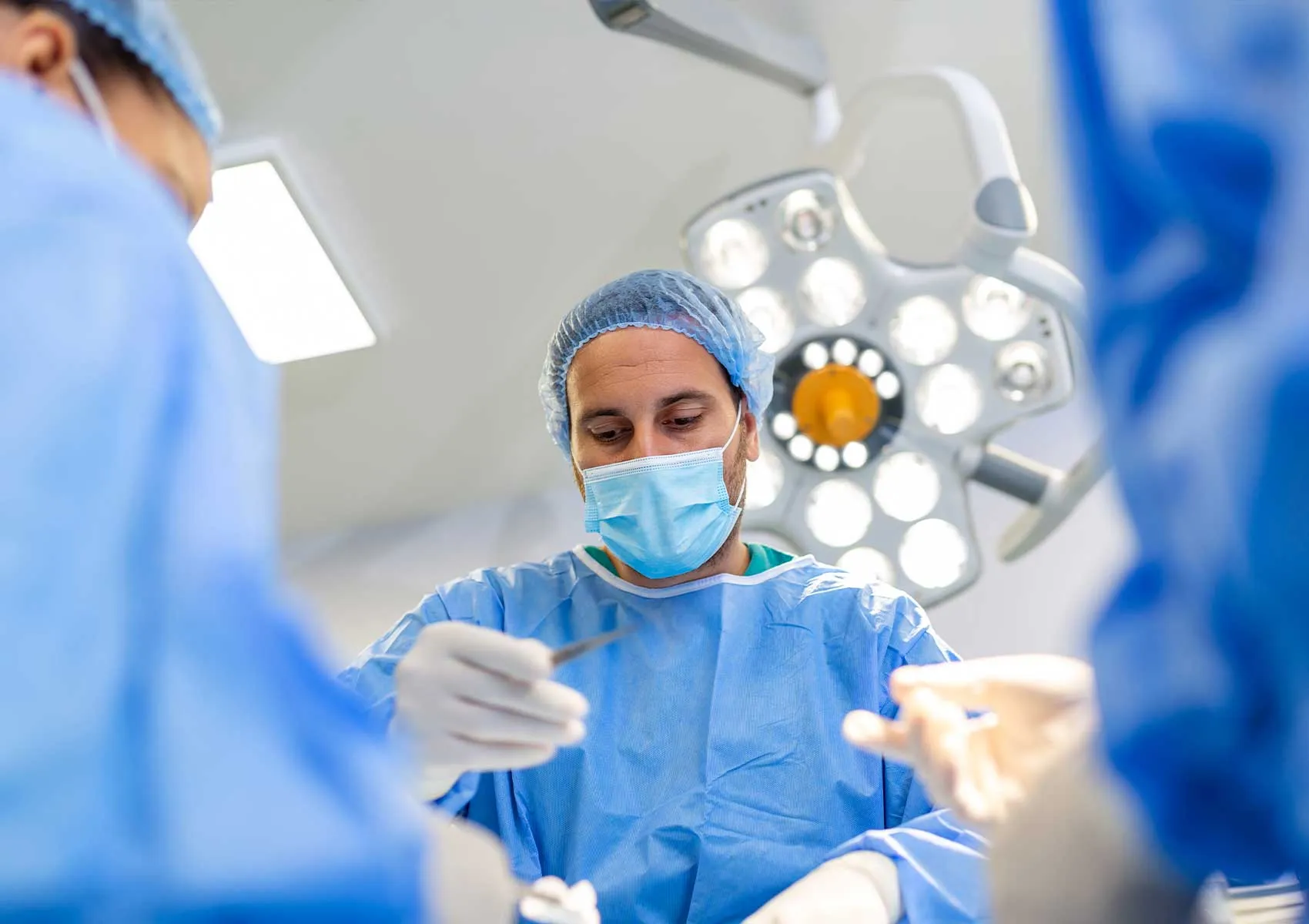
This surgery is typically performed arthroscopically and involves grafting tissue taken from another part of the patient’s body to replace the torn ligament. For a successful outcome, the surgical technique and a disciplined rehabilitation program after surgery are equally important.
What Is the Anterior Cruciate Ligament and What Is Its Function?
The anterior cruciate ligament connects the thigh bone (femur) to the shinbone (tibia) and prevents the knee from sliding forward. It provides stability during rotational movements and helps protect the structures inside the joint. Damage to this ligament is among the most common injuries related to sports and knee trauma. For more on sports injuries and knee injuries, please refer to the linked resource.
The diagram below illustrates the anatomy of the anterior cruciate ligament for better understanding.
Healthy knee function depends on the integrity of this ligament. Once damaged, it can predispose other structures such as the meniscus and cartilage to gradual wear and injury. Detailed information is available on our page about knee joint conditions and ACL injuries.
Symptoms and Diagnosis of ACL Tear
ACL injuries usually occur from sudden twisting, stopping abruptly, or a direct blow to the knee. Patients often report hearing a “pop” at the moment of injury. In the hours that follow, rapid swelling, intense pain, and limited mobility are common.
The mechanisms of injury are illustrated in the following image.
During diagnosis, the physician performs a detailed physical exam to assess knee stability using tests such as the Lachman test and anterior drawer test. MRI imaging is critical for confirming the diagnosis and identifying any accompanying meniscal or cartilage damage. Accurate diagnosis is the first and vital step in developing a treatment plan.
When Is ACL Surgery Necessary?
Not every ACL injury requires surgery. However, surgery tends to be the preferred choice for active individuals who want to return to sports, those experiencing a sensation of instability or “giving way” in the knee, or patients with associated meniscus tears.
Decisions depend heavily on the patient’s age, activity level, and knee function. More information about ACL injury treatment and surgery can assist patients during the decision-making process. The primary goal of surgery is to restore knee stability and reduce the risk of future complications such as osteoarthritis.
Surgical Techniques and Graft Options
Today, ACL surgery is largely performed using minimally invasive, arthroscopic methods. This section outlines the techniques and graft choices available.
Arthroscopic Surgical Technique
Arthroscopic surgery involves small incisions through which a camera and surgical instruments are inserted. This minimally invasive approach results in less tissue damage, reduced pain, and faster recovery compared to open surgery.
The comparison table below summarizes the features of different surgical methods.
Autograft vs. Allograft
Because the torn ligament cannot be repaired, it is replaced with a graft—either from the patient’s own tissue (autograft) or from a donor (allograft). Common autograft sources include hamstring tendons or the patellar tendon.
The advantages and disadvantages of various graft types are outlined in the graphic below.
Surgical Procedure Steps
The surgical process of ACL reconstruction begins under anesthesia, with preparation of the knee. Arthroscopic inspection identifies and treats intra-articular injuries first. Then, the prepared graft is fixed into tunnels drilled in the femur and tibia.
Postoperative Rehabilitation and Recovery
A disciplined rehabilitation program follows successful surgery. Although ACL reconstruction rehabilitation is tailored individually, it generally includes distinct phases outlined below.
The exercise plan during recovery is shown in the flowchart.
First Week: Rest and Monitoring
The initial postoperative days focus on controlling pain and swelling. Ice applications and elevation of the leg are recommended. Partial weight-bearing with crutches begins as tolerated.
The checklist below can help patients and caregivers manage this phase effectively.
Weeks 2–6: Movement and Muscle Strengthening
This phase aims to improve knee range of motion and reactivate the quadriceps muscle. Physiotherapist-guided exercises intensify during this period.
Months 3–6: Functional Exercises
This stage focuses on straight-line running, balance, and proprioception exercises. Muscle strength should progressively approach the non-operated leg.
After 6 Months: Return to Sports
The timing for return to sports is based on functional testing outcomes. Returning to sports after ACL surgery should not be rushed and requires medical approval.
Risks and Complications of ACL Surgery
As with all surgical procedures, ACL surgery carries potential risks such as infection, blood clots, knee stiffness, or insufficient graft healing, although these are uncommon. Patients should discuss ACL injury risks and surgical complications with their surgeon in detail before the procedure.
Are Non-Surgical Treatments an Option?
Non-surgical treatment may be appropriate for older patients, those with low activity levels, or individuals without instability symptoms. Physical therapy focusing on muscle strengthening, use of knee braces, and activity modification can help manage symptoms. However, for active athletes, non-surgical treatment usually does not provide sufficient knee stability for safe return to sports.
This content is provided for informational purposes only and does not constitute medical advice. Diagnosis and treatment must be determined by a qualified healthcare professional based on the individual patient's condition. For any health concerns, please consult a medical specialist without delay.
FAQ
-
How can you tell if the anterior cruciate ligament (ACL) is torn?
An ACL tear typically presents with a sudden sharp pain, swelling in the knee, and a feeling of instability. Diagnosis is made through a physical exam and imaging techniques like MRI. It's important to consult an orthopedic specialist for an accurate diagnosis.
-
How long does ACL surgery take and how is it performed?
The surgery is usually done arthroscopically and takes about 1-2 hours. A graft, often taken from another tendon in the body, replaces the torn ligament. You should discuss the surgical options and details with your doctor.
-
What is the rehabilitation process after ACL surgery like?
Rehabilitation starts immediately after surgery and is tailored to the individual. It generally lasts 6 to 9 months and includes strengthening, range-of-motion exercises, and a gradual return to sports. Follow your physiotherapist's instructions closely.
-
What are the risks of ACL surgery?
Like any surgery, ACL reconstruction carries risks such as infection, bleeding, adverse reactions to anesthesia, and rarely, re-injury. You should get detailed information about risks from your doctor before the procedure.
-
Can a torn ACL heal without surgery?
A completely torn ACL will not heal on its own. However, in some cases—such as low activity levels or certain age groups—non-surgical treatments, especially physiotherapy, can help manage symptoms. Discuss treatment options with your doctor.