
What Is Prolotherapy? Evidence and How It Differs From PRP
What is prolotherapy, how is it performed and which orthopedic problems has it been tried for? A balanced look at the current evidence, possible side effects and how prolotherapy differs from PRP.
Prolotherapy is an injection treatment in which a solution, most often concentrated sugar water (hypertonic dextrose), is injected where ligaments and tendons attach to bone or into a joint. The aim is to trigger a mild, controlled inflammatory response that stimulates the body's repair processes. Some studies report reduced pain in knee osteoarthritis and certain chronic tendon problems, but the amount and quality of evidence is limited and many international guidelines do not recommend it for routine use. Its key difference from PRP is that it uses an irritant solution from outside the body rather than a product made from your own blood.
This article takes a balanced look at what prolotherapy is, how it is performed, which orthopedic problems it has been tried for, where the scientific evidence stands today, its possible side effects and how it differs from PRP.
What is prolotherapy and how is it thought to work?
The name comes from "proliferation". The idea is that creating a small irritation in weakened or overused ligament and tendon tissue draws blood flow, repair cells and growth factors to the area, which may help strengthen the tissue and reduce pain over time.
The most common solution is dextrose at a set concentration, often mixed with a local anesthetic; other irritants have been used in the past. How dextrose works is not fully understood: besides the inflammatory response, some researchers believe it may influence pain through nerve endings.
How is prolotherapy performed?
- The source of pain is identified through examination and, if needed, imaging.
- The skin is cleaned; some clinics use ultrasound to guide the needle.
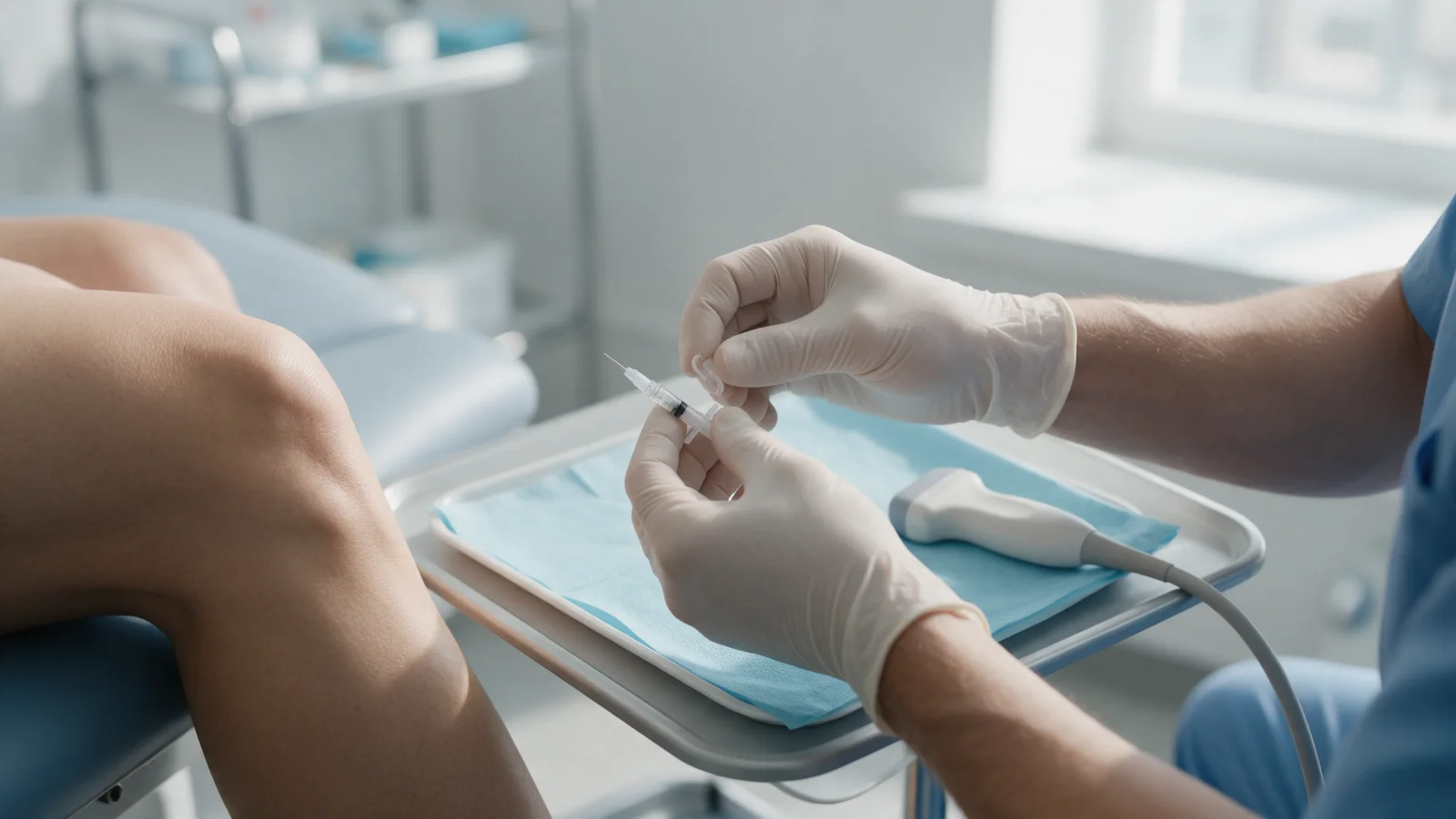
- The solution is injected with fine needles into the painful ligament and tendon attachments or into the joint, often at several points.
- After a short period of observation, you go home the same day.
Prolotherapy is not usually a one-off treatment; sessions are often repeated a few weeks apart, and the number depends on the condition and how you respond. In Turkey, prolotherapy falls under the Ministry of Health's regulation on traditional and complementary medicine and must be performed by certified physicians in authorized centers.
Which orthopedic problems has it been tried for?
Prolotherapy is usually considered for long-standing pain that has not responded well to other non-surgical treatments. The main areas studied include:
- Knee osteoarthritis: several studies have looked at dextrose injections into and around the joint for pain and function.
- Chronic tendon problems: overuse conditions such as tennis elbow, Achilles tendinopathy and patellar tendinopathy.
- Persistent pain after ligament sprains: especially ongoing pain and a sense of looseness after repeated sprains.
- Low back and sacroiliac pain: results in this area are less consistent.
There is no evidence that prolotherapy repairs a torn meniscus or a ruptured ACL. Tears that cause mechanical locking, marked instability or advanced joint damage call for different treatment options.
What does the evidence say?
- Randomized trials and pooled analyses suggest dextrose prolotherapy may reduce knee osteoarthritis pain compared with placebo injections or exercise alone.
- However, many of these studies are small, follow-up is short and injection protocols vary widely.
- Some positive results have been reported for tendon problems, but the evidence there is even more limited.
- Because of this uncertainty, many international orthopedic and rheumatology guidelines do not recommend prolotherapy for routine use.
In short, prolotherapy may ease pain for some people, but its effectiveness is not yet supported by strong evidence. We discussed why study quality matters when judging a treatment in our article on the scientific basis of PRP.
How does prolotherapy differ from PRP?
The two are often confused because both are injections intended to support tissue repair. The main differences are:
- What is injected: PRP (platelet-rich plasma) is made by concentrating your own blood and contains growth factors; prolotherapy uses a prepared irritant solution such as dextrose.
- Preparation: PRP requires a blood draw and centrifugation; a prolotherapy solution is ready to use.
- Mechanism: PRP aims to deliver growth factors directly, while prolotherapy aims to start the body's own repair response through controlled irritation.
- Research base: PRP has a larger body of research, particularly in knee osteoarthritis and some tendon conditions, although its effectiveness is still debated depending on the patient and indication.
Which option suits you depends on the cause of your pain, the stage of any arthritis, treatments already tried and your expectations. You can read more about PRP in our article what is PRP therapy and what to expect.
Side effects and who should avoid it
- Increased pain, swelling and stiffness for a few days after the injection, which may be linked to the intended response
- Bruising at the injection site
- Rarely, infection or injury to a nerve or blood vessel
It is generally not advised for people with an active infection, a skin problem at the injection site or a bleeding disorder. People taking blood thinners, people with diabetes and pregnant women should discuss it with their doctor first. Follow your doctor's advice about which painkillers to use afterwards.
Questions to ask if you are considering prolotherapy
- Has the source of my pain been clearly identified by examination and, if needed, imaging?
- Have core non-surgical measures such as exercise, physiotherapy and weight management been tried properly?
- How many sessions are planned, how far apart, and when will the effect be assessed?
- Is the practitioner certified and is the treatment given in an authorized center?
- What are the possible side effects in my case, and what options remain if it does not help?
When should you see an orthopedic surgeon?
Before considering prolotherapy or any other injection, it is important to identify the cause of your pain correctly. See an orthopedic surgeon if you have:
- Joint or tendon pain that has lasted for weeks or keeps getting worse
- Locking, giving way or repeated swelling in the knee
- Inability to bear weight after an injury
- Increasing redness, warmth, swelling or fever after any injection, which needs same-day assessment
In Prof. Dr. Gökhan Polat's practice, injection treatments are planned by considering the cause of pain, examination and imaging findings, the stage of arthritis and the patient's expectations, in light of current evidence. Responses vary from person to person. For information on PRP and stem cell applications, see our page on cellular therapies (PRP, stem cell).
In summary
- Prolotherapy injects a solution, usually dextrose, into ligaments, tendons or joints to stimulate the body's repair response.
- Some studies suggest it may reduce pain in knee osteoarthritis and some tendon problems, but evidence is limited and guidelines do not recommend routine use.
- PRP is prepared from your own blood, whereas prolotherapy uses an irritant solution from outside the body.
- The right treatment should be chosen individually once the cause of pain has been clarified by examination.
This article is for general information only; diagnosis and treatment decisions are made individually after examination and the necessary tests.
FAQ
-
What is prolotherapy used for?
Prolotherapy aims to stimulate the body's repair processes by triggering a mild inflammatory response at the injection site. In orthopedics it has mostly been tried for knee osteoarthritis, chronic tendon pain and persistent pain after ligament sprains. Some studies report reduced pain, but the evidence is limited.
-
How many prolotherapy sessions are needed?
Prolotherapy is not usually a one-off treatment; sessions are often repeated a few weeks apart. The total number depends on the condition, the protocol used and how you respond. The plan is set by the treating physician.
-
Is prolotherapy or PRP more effective?
Studies comparing the two directly are limited, and results vary by condition. PRP has a larger research base, particularly in knee osteoarthritis and some tendon problems. Which option suits you depends on the cause of your pain and your individual situation.
-
What are the side effects of prolotherapy?
The most common side effects are increased pain, swelling, stiffness and bruising for a few days after the injection. Rarely, infection or injury to a nerve or blood vessel can occur. Increasing redness, warmth or fever after an injection should be assessed the same day.
-
Does prolotherapy help knee osteoarthritis?
Some randomized trials suggest dextrose prolotherapy may reduce knee osteoarthritis pain. However, most of these studies are small with short follow-up, and many guidelines do not recommend routine use. Exercise, weight management and other options should be considered alongside it, depending on the stage of arthritis.