
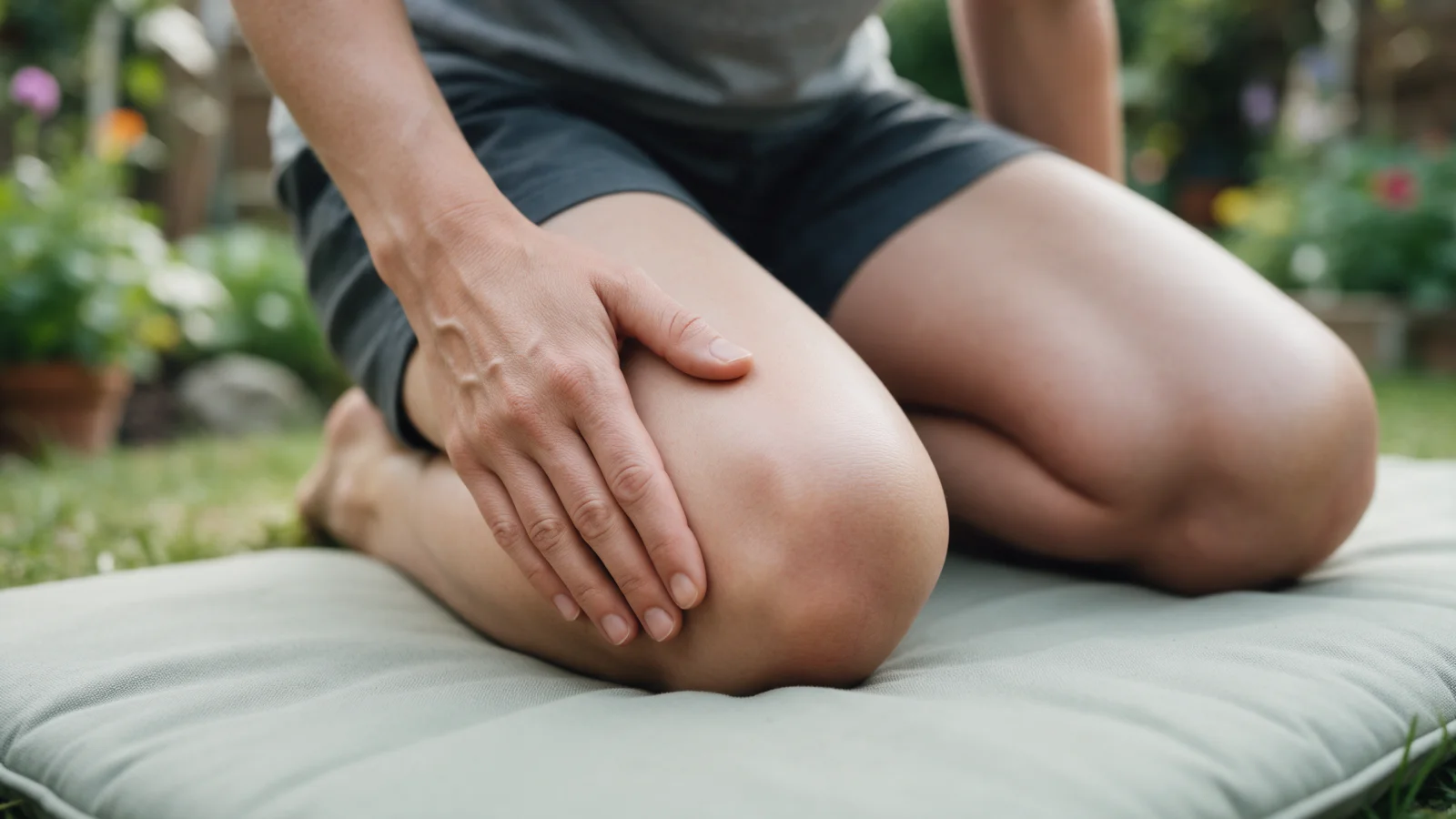
What Is Bursitis? Signs of Knee and Hip Bursa Inflammation
What is bursitis and how is it treated? Symptoms, diagnosis and treatment steps for prepatellar, infrapatellar and pes anserine bursitis of the knee and trochanteric bursitis of the hip.
Bursitis is inflammation of a bursa, one of the small fluid-filled sacs that cushion the points where bone rubs against tendon, muscle or skin around a joint. In the knee it most often affects the bursa in front of the kneecap; in the hip, the area over the bony point on the outer thigh. Typical signs are tenderness in one spot, swelling and pain that gets worse with pressure or certain movements. Most cases settle with rest, adjusting the load and simple measures, but a swelling that is red, hot and accompanied by fever needs prompt assessment because it may be infected.
This article explains what a bursa does, why bursitis develops, the common types around the knee and hip, how it is diagnosed and treated, and when you should see an orthopedic surgeon.
What is a bursa and how does bursitis develop?
There are many bursae in the body, sitting wherever tissues need to glide over each other. A healthy bursa is a thin sac containing a tiny amount of lubricating fluid, and you would never notice it. When it is irritated by repeated pressure, friction or a direct blow, its lining thickens, fluid builds up and the area becomes swollen and sore. That is bursitis.
Common triggers include:
- Repeated pressure: kneeling for long periods at work or at home, or lying on a hard surface on your side.
- Overuse: a sudden jump in running, cycling or stair climbing.
- A direct blow: falling onto the knee or knocking the side of the hip.
- Biomechanics: weak hip muscles, a leg length difference or an altered walking pattern.
- Other conditions: rheumatoid arthritis, gout and diabetes can make bursitis more likely.
- Infection: bacteria can enter the bursa in front of the kneecap through a small cut or graze.
What are the symptoms of bursitis?
- Pain you can point to with one finger, and tenderness when you press on it
- A soft, visible swelling over superficial bursae
- Pain that increases with pressure (kneeling, lying on the sore side) or certain movements
- Aching in the first steps after sitting or lying for a while
- With infection: redness, marked warmth, worsening pain and sometimes fever
Because bursitis sits just outside the joint, the joint itself usually moves well; bending the knee fully may feel tight only because it presses on the swelling. Fluid inside the knee joint is a different problem with different causes, which we cover in our article on fluid build-up in the knee.
Common types around the knee and hip
Prepatellar bursitis (front of the kneecap)
Often called "housemaid's knee", this affects people who kneel a lot. A soft, sometimes large swelling appears directly over the kneecap. Because the bursa lies just under the skin, it is one of the most likely to become infected after a graze.
Infrapatellar bursitis (below the kneecap)
This involves the bursae around the patellar tendon. Kneeling and jumping sports can set it off, and it needs to be told apart from patellar tendon problems on examination.
Pes anserine bursitis (inner, lower knee)
Pain sits a few centimetres below the joint line on the inner side of the knee, where three tendons attach to the shinbone. It is more common in people with knee arthritis, people carrying extra weight and runners, and often hurts on stairs.
Trochanteric bursitis (outer hip)
Pain and tenderness over the outer hip, difficulty lying on that side and pain after long walks are typical. In many people the main problem is now thought to be in the tendons of the hip muscles, with the bursa involved secondarily, so the term "greater trochanteric pain syndrome" is often used.
How is bursitis diagnosed?
Diagnosis is usually based on your history and an examination. When needed:
- Ultrasound shows fluid and thickening in the bursa and can guide an injection.
- X-rays help rule out bone spurs, arthritis or a fracture.
- MRI is used if the picture is unclear or a tendon tear is suspected.
- Aspiration (drawing off fluid) is done if infection or gout is suspected, often with blood tests.
How is bursitis treated?
Most non-infected bursitis is managed without surgery, usually in steps:
- Reduce the trigger: stop kneeling or use padding, avoid lying on the sore side, scale back training for a while.
- Cold: a wrapped ice pack for 15–20 minutes a few times a day can ease pain and swelling. Our guide to ice or heat for joint pain explains how to use both safely.
- Medication: a short course of anti-inflammatory painkillers may help where appropriate; caution is needed with stomach, kidney or heart problems.
- Physiotherapy: strengthening the hip and thigh muscles and correcting movement habits is especially important for outer hip and inner knee pain, and helps prevent recurrence.
- Drainage and injection: a large swelling can be drained, and in selected cases a corticosteroid injection may be given, but only once infection has been ruled out and not repeatedly.
- Surgery: removing the bursa, through an open or keyhole approach, is considered only for the small number of cases that persist for months or keep coming back.
Infected bursitis is treated differently, with antibiotics and sometimes drainage or surgical cleaning, so a red, hot, growing swelling should not be managed at home. Recovery time varies from person to person: simple prepatellar bursitis may settle in a few weeks, while tendon-related hip pain often needs a longer exercise programme.
Can bursitis be prevented?
- Use knee pads or a cushion if you kneel, and change position often.
- Build up running and cycling distances gradually.
- Strengthen your hip and thigh muscles regularly.
- Losing excess weight reduces the load on knees and hips.
- Keep grazes over the kneecap clean and watch for signs of infection.
When should you see an orthopedic surgeon?
- Swelling and pain that have not improved after 2–3 weeks of simple measures
- Pain that wakes you at night or keeps getting worse
- Swelling and stiffness after a fall or blow
- Bursitis that keeps returning
- Swelling inside the joint, locking or being unable to bear weight
Seek same-day care if the swelling is red, hot and increasingly painful, or if you have a fever or chills, especially if you have diabetes or a weakened immune system.
At Prof. Dr. Gökhan Polat's clinic, assessment takes into account where the pain is, your work and sports load, other health conditions and the examination findings, and treatment usually starts with non-surgical options. You can read more about overuse problems on our sports injuries page.
Summary
- Bursitis is inflammation of the small fluid sacs that reduce friction around joints, usually from pressure, overuse or a blow.
- Around the knee it typically affects the front of the kneecap, below the kneecap or the inner lower knee; in the hip, the outer side.
- Most cases settle with load reduction, cold, short-term medication and exercise; injections and surgery are for selected cases.
- A red, hot swelling with fever may be infected and needs prompt medical attention.
This article is for general information only; diagnosis and treatment decisions are made individually after examination and the necessary tests.
FAQ
-
What causes bursitis?
Bursitis usually develops from repeated pressure, friction or overuse, for example kneeling for long periods or increasing training too quickly. A direct blow, inflammatory conditions such as rheumatoid arthritis or gout, and bacteria entering through a cut can also cause it.
-
Does bursitis go away on its own?
Most non-infected bursitis settles within a few weeks once the trigger is reduced, with cold packs and, if needed, short-term medication. How long it takes varies with the location and any underlying problem. Swelling that does not improve, keeps returning or comes with redness and fever should be examined.
-
Is heat or ice better for bursitis?
While pain and swelling are prominent, a towel-wrapped ice pack for 15–20 minutes is usually more soothing. Once the swelling has settled, gentle heat can help muscle tightness. Never apply heat to a red, hot swelling; see a doctor to rule out infection instead.
-
How do I know if I have bursitis in my knee?
A soft swelling in front of or below the kneecap, or tenderness on the inner lower knee that hurts when you press or kneel, may suggest bursitis. The knee usually still moves well. The diagnosis is confirmed by examination and, if needed, ultrasound.
-
Does bursitis need surgery?
The vast majority of bursitis is treated without surgery. Removing the bursa through an open or keyhole approach may be considered in selected cases that last for months or keep recurring despite other treatment. Infected bursitis sometimes needs drainage or surgical cleaning.