
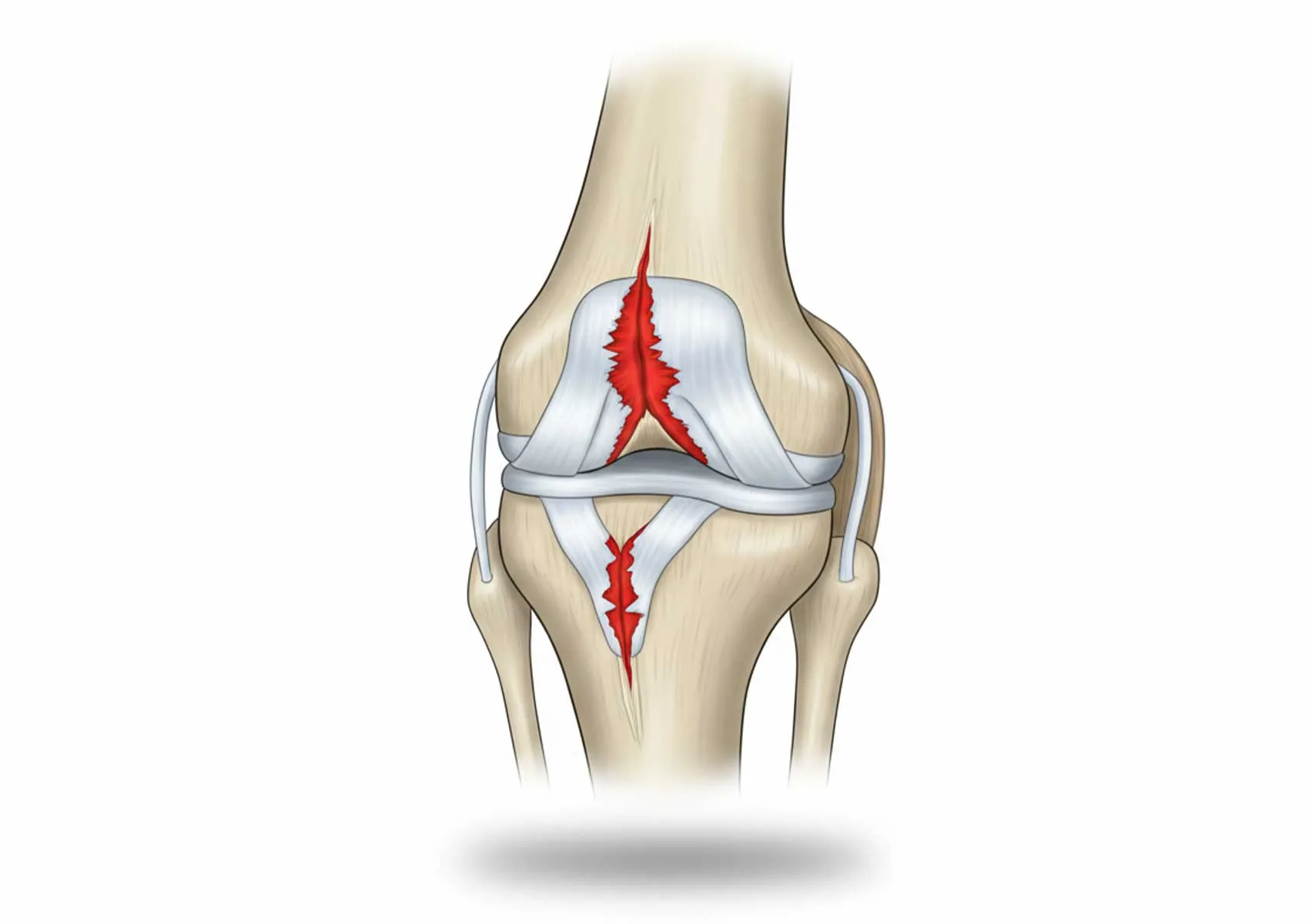
Meniscus Tear Treatment: Comprehensive Guide and Recovery Process
Meniscus tear treatment is tailored to the patient's age, activity level, and the type of tear.
The knee joint is one of the most complex and weight-bearing structures in the body. Meniscus tears are among the most common knee issues in athletes and active individuals. Meniscus tear treatment is a process that significantly affects the patient’s quality of life and requires careful planning. In this guide, we will explore in detail the causes of meniscus tears and modern treatment methods based on scientific evidence.
Meniscus tears can result from sudden twisting movements or develop gradually due to age-related degeneration. The treatment approach depends on the size, location of the tear, and patient expectations. Early diagnosis and proper intervention are vital for preserving knee function and reducing the risk of osteoarthritis.
What is a Meniscus Tear?
A meniscus tear is damage to the cartilaginous structure within the knee joint that functions as a shock absorber. These structures stabilize the knee by reducing friction between the thigh (femur) and shin (tibia) bones. For more information, you can visit the meniscus tear treatment page. Tears commonly occur due to traumatic injury or tissue weakening over time.
Knee Anatomy and the Role of the Meniscus
There are two menisci in the knee joint: medial (inner) and lateral (outer). These "C"-shaped cartilages evenly distribute the load the knee bears.
A healthy meniscus protects the joint cartilage and helps prevent early osteoarthritis. Preserving meniscus tissue is a fundamental goal in treatment planning.
How Do Meniscus Tears Occur?
Meniscus tears primarily occur via two mechanisms: traumatic and degenerative. Traumatic tears are usual in younger individuals and athletes, caused by twisting motions with the foot planted. Degenerative tears happen more often in older adults due to loss of tissue elasticity and water content, even during routine activities.
The mechanism and tear types (longitudinal, radial, bucket-handle) are key factors guiding treatment strategy.
Symptoms of a Meniscus Tear
When a meniscus tears, patients often experience sudden pain, sometimes accompanied by a popping sound. However, symptoms may develop gradually in some cases. Common signs include:
- Knee pain, especially during squatting or twisting movements
- Swelling and stiffness of the knee
- Sensation of the knee locking or catching
- Difficulty fully bending or straightening the knee
- Clicking or popping sounds from the joint
Symptoms vary depending on the tear’s size and location. Mechanical locking is more common in bucket-handle tears, while degenerative tears often present with subtle, persistent pain.
Diagnostic Process
Accurate diagnosis is essential for proper treatment planning. The diagnostic process starts with patient history and is supported by advanced imaging techniques.
Physical Examination and Clinical Findings
During examination, the doctor performs maneuvers such as McMurray’s and Apley’s tests to detect pain or locking. Tenderness over the joint line is a significant indicator of meniscal injury. Knee swelling and range of motion are also assessed.
Imaging Techniques
Imaging methods confirm physical exam findings and detail the tear’s characteristics.
- X-ray: Checks for bone issues and signs of osteoarthritis but does not visualize meniscus tissue; useful to rule out other causes.
- MRI (Magnetic Resonance Imaging): The gold standard for meniscus tear evaluation; identifies tear location, type, and related ligament injuries.
Treatment Options for Meniscus Tears
Meniscus tear treatment divides into non-surgical and surgical approaches. Treatment decisions consider the patient’s age, activity level, and tear features. The following comparison table outlines the pros and cons of both approaches.
Non-Surgical Treatments
Small tears in well-vascularized areas (red-on-red zone) and degenerative tears often heal with non-surgical methods. Initial management follows the RICE protocol: rest, ice, compression, and elevation.
Physical therapy and rehabilitation focus on strengthening muscles around the knee to reduce load on the joint. Biological treatments like PRP (platelet-rich plasma) may also be used as adjuncts. For more information, visit non-surgical knee treatments. Research on PRP treatment effects suggests it may relieve symptoms in some patients.
Surgical Treatment: Arthroscopic Intervention
Surgery may be necessary for tears that don’t improve with conservative care, cause mechanical locking, or are complex. Modern meniscus surgery is mostly done using arthroscopic techniques.
Two main surgical methods are:
1. Meniscectomy: Removal of the damaged part when repair is not possible.
2. Meniscus Repair: Suturing the tear to preserve tissue, preferred in younger patients and root tears. Methods like meniscus root repair aim to restore anatomy.
Factors Influencing Treatment Choice
Not all meniscus tears require surgery. The decision is made collaboratively between doctor and patient. A detailed evaluation on when meniscus surgery is needed guides this choice. In elderly patients with severe osteoarthritis, alternatives like knee replacement surgery may be considered.
Recovery and Rehabilitation
Recovery time varies with treatment type. Patients often resume normal activities within weeks after meniscectomy, while meniscus repair may require 3 to 6 months. Rehabilitation is essential for optimal outcomes.
This content is provided for informational purposes only and does not replace professional medical advice, diagnosis, or treatment. Always consult your physician or a qualified healthcare provider regarding any health concerns. The information in this article is general and may not apply to your individual circumstances. It should not be used to alter a treatment plan prescribed by your healthcare professional following a medical examination. Do not delay seeking medical care based on the information provided here.
FAQ
-
What is a meniscus tear and how does it occur?
The meniscus is cartilage in the knee joint that tears typically due to sudden twisting, bending, or direct impact. Age-related cartilage weakening can also increase the risk. If you experience severe knee pain, it’s important to consult a specialist.
-
What are the symptoms of a meniscus tear?
Common symptoms of a meniscus tear include knee pain, swelling, limited movement, a locking sensation, or a 'clicking' sound in the knee. Symptoms vary depending on the size and location of the tear.
-
Can a meniscus tear be treated without surgery?
Yes, some meniscus tears, especially small and stable ones, can be managed without surgery through rest, ice application, physical therapy, and pain relief medication. It is recommended to discuss treatment options with your doctor.
-
How is meniscus surgery performed and what is the recovery process like?
Meniscus surgery is usually done arthroscopically. Recovery time depends on the type of tear and the procedure performed, generally lasting from a few weeks to several months with physical therapy support.
-
How can meniscus tears be prevented?
To prevent meniscus tears, it’s important to strengthen the knee muscles, warm up before exercise, use proper technique, and avoid sudden twisting movements. Wearing protective gear during high-risk sports can also help reduce the risk.