
Meniscus Root Repair: Symptoms and Surgical Treatment
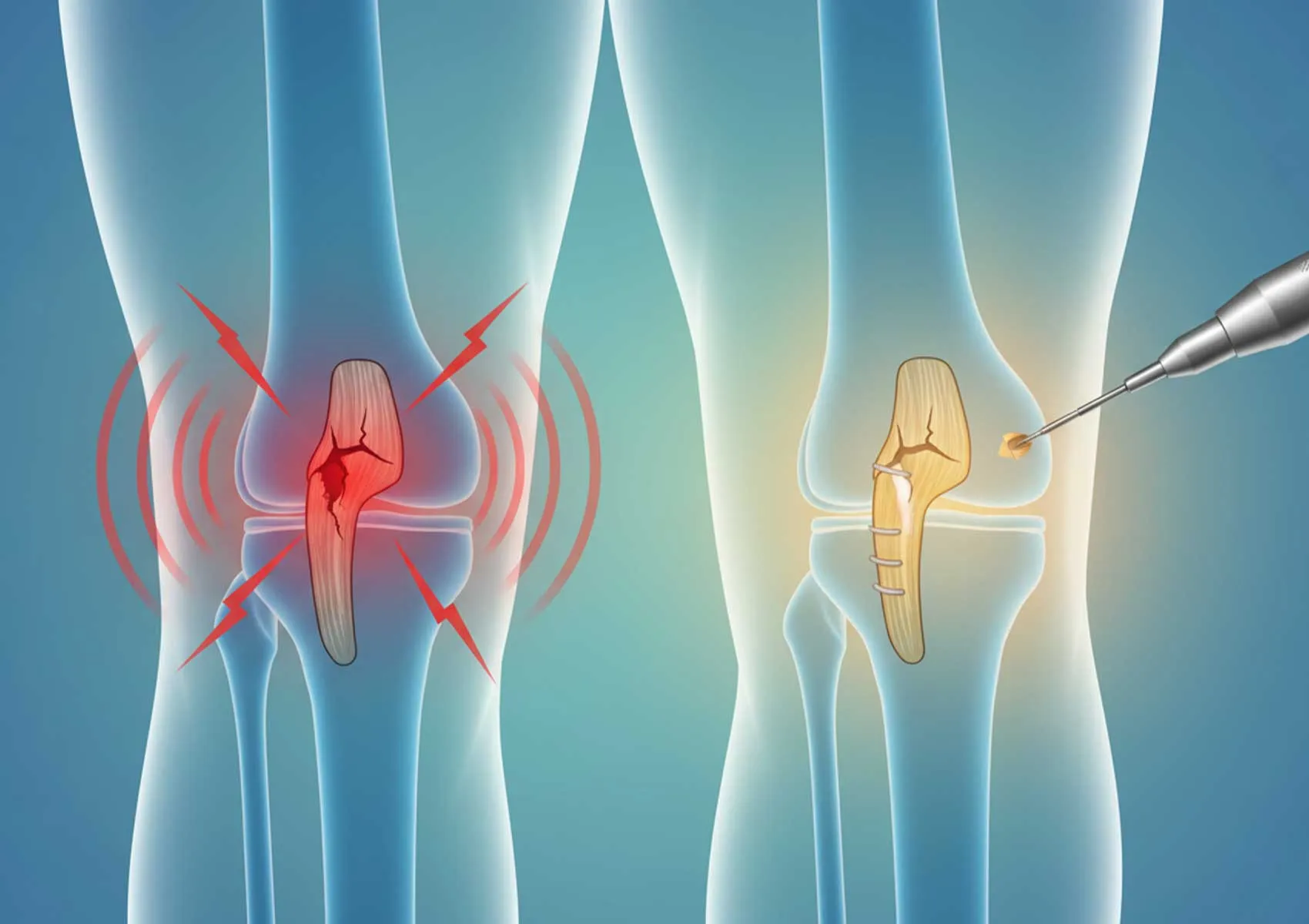
Meniscus root repair is a crucial surgical procedure aimed at preserving the shock-absorbing function of the knee joint and preventing early osteoarthritis.
Meniscus root repair is an important orthopedic procedure that aims to maintain the health and function of the knee joint. The meniscus root is the point where the meniscus tissue attaches to the tibia (shinbone). A rupture at this attachment can cause the meniscus to lose its shock-absorbing function almost entirely. This increases the load on the knee joint and accelerates cartilage damage. The risk of meniscus root tears is particularly high in athletes facing knee injury risks, which makes prompt consultation with a specialist essential when sudden knee pain occurs.
This guide thoroughly covers the causes, symptoms, and current treatment options for meniscus root tears. Our goal is to provide scientific and reliable information to help patients make informed decisions about their treatment journey.
What is Meniscus Root Repair?
Meniscus root repair is a surgical procedure performed when the meniscus detaches from its bony attachment point. Menisci are C-shaped cartilage structures located between the thighbone (femur) and shinbone (tibia) in the knee joint. These structures distribute the weight load on the joint to protect the cartilage surfaces. The meniscus root is the point where this structure is most firmly anchored to the bone.
When the meniscus root tears, the meniscus can extrude outside the joint, losing its load-bearing capacity. Studies show that a knee with a root tear behaves biomechanically like one with a complete meniscectomy (meniscus removal). Therefore, meniscus root repair is essential not only to relieve pain but also to preserve long-term knee joint health.
Symptoms and Diagnosis of Meniscus Root Tear
Meniscus root tears arise either from traumatic events or degenerative processes over time. Patients often experience sudden, intense pain behind the knee. In some cases, a popping sound may be heard at the moment of injury. Although root tears share symptoms with other meniscus injuries, their treatment approaches differ.
Common symptoms of meniscus root tears include:
- Pronounced pain behind the knee
- Increased pain during squatting or climbing stairs
- Sensation of catching or locking in the knee
- Swelling and reduced joint mobility
Diagnosis relies heavily on physical examination and patient history, but definitive diagnosis is typically made using Magnetic Resonance Imaging (MRI). MRI is the most effective method to assess the condition of the meniscus root, locate the tear, and evaluate cartilage status.
Treatment Options: Surgical and Non-Surgical Approaches
The primary goal in treating meniscus root tears is restoring the meniscus’s anatomical integrity and function. The treatment plan depends on the patient’s age, activity level, degree of cartilage damage, and the tear type. In young and active individuals, meniscus root repair surgery is usually recommended to preserve the knee joint.
Non-surgical (conservative) treatments are generally reserved for older patients with advanced osteoarthritis or those unsuitable for surgery. These include rest, anti-inflammatory medications, physiotherapy, and activity modifications. However, conservative treatment does not restore meniscus function in root tears, so surgical repair is preferred for appropriate candidates.
How is Meniscus Root Repair Surgery Performed?
Meniscus root repair surgery is now performed using modern, minimally invasive techniques. The procedure’s success depends on anatomically correct and secure reattachment of the tear to the bone.
Surgical Steps
The surgery is commonly performed via arthroscopic surgery. Small incisions allow insertion of a camera and surgical instruments into the knee joint, minimizing damage to surrounding tissues.
Key stages include:
1. Imaging: Detailed assessment of the joint interior with a camera.
2. Preparation: Cleaning the tear site and the bone attachment area (footprint) to facilitate healing.
3. Suture Placement: Inserting specialized sutures into the meniscus root.
4. Tunnel Drilling: Creating tunnels of appropriate diameter through the tibia bone.
5. Fixation: Passing sutures through tunnels and securing them with knots or anchors to the bone.
Techniques and Instruments Used
Repair techniques vary according to tear type and surgeon preference. The transosseous tunnel technique, where sutures are pulled through bone tunnels, is among the most commonly employed. Repairs using suture anchors are also widely used.
Recovery and Rehabilitation
The recovery period following meniscus root repair is a critical phase that directly impacts surgical success. Healing of the meniscus to the bone requires a specific timeline, so controlled movement and weight-bearing protocols are followed postoperatively.
Typical rehabilitation protocol includes:
- First 6 Weeks: Partial or no weight-bearing with crutches. Controlled range of motion with the use of a knee brace.
- After 6 Weeks: Progression to full weight-bearing and increased strengthening exercises.
- 3-4 Months: Preparation for running and light sports activities.
- After 6 Months: Return to sports with physician clearance.
In some cases, biological treatments such as PRP therapy following meniscus root repair may be considered to support tissue healing.
Possible Risks and Complications
As with any surgical procedure, meniscus root repair carries certain risks. However, complication rates are low when performed by experienced surgeons with appropriate techniques. Potential risks include infection, neurovascular injury, joint stiffness, and failure of the repair to heal.
Untreated or unsuccessfully repaired root tears can increase the risk of meniscus root tear-related knee diseases and accelerate osteoarthritis. Patients with advanced cartilage damage may eventually require total knee replacement evaluations after meniscus root repair. Strict adherence to postoperative instructions is crucial to minimize complications.
This content is provided for general informational purposes only and does not substitute professional medical advice, diagnosis, or treatment. Always consult a qualified healthcare provider with any questions you may have regarding your health. The information on this site cannot replace a treatment plan developed through a medical examination and tests. If you have an urgent medical concern, seek immediate attention from your doctor or the nearest healthcare facility.
FAQ
-
What is meniscus root repair and why is it important?
Meniscus root repair is a surgical procedure to fix tears at the root where the meniscus attaches to the bone. This surgery is crucial to preserve the meniscus's load-bearing function, reducing the risk of early knee arthritis and maintaining joint health.
-
What are the symptoms of a meniscus root tear?
A meniscus root tear typically causes sudden severe pain, locking or catching sensations in the knee, and swelling. Pain behind the knee and discomfort during deep squatting are also common signs.
-
Who is a candidate for meniscus root repair surgery?
This surgery is generally suitable for active individuals with early diagnosed root tears and minimal cartilage damage. Older patients or those with advanced arthritis might require different treatment options.
-
How long does the recovery process take after surgery?
Recovery varies by individual but usually requires crutches for the first 4-6 weeks. Physical therapy can last 4-6 months, with a full return to sports often taking 6-9 months.
-
What are the risks of not undergoing meniscus root tear surgery?
Untreated root tears can lead to loss of meniscus function, increasing the load on the knee joint and accelerating cartilage damage. This can cause early knee arthritis and, in severe cases, may result in the need for knee replacement surgery.