
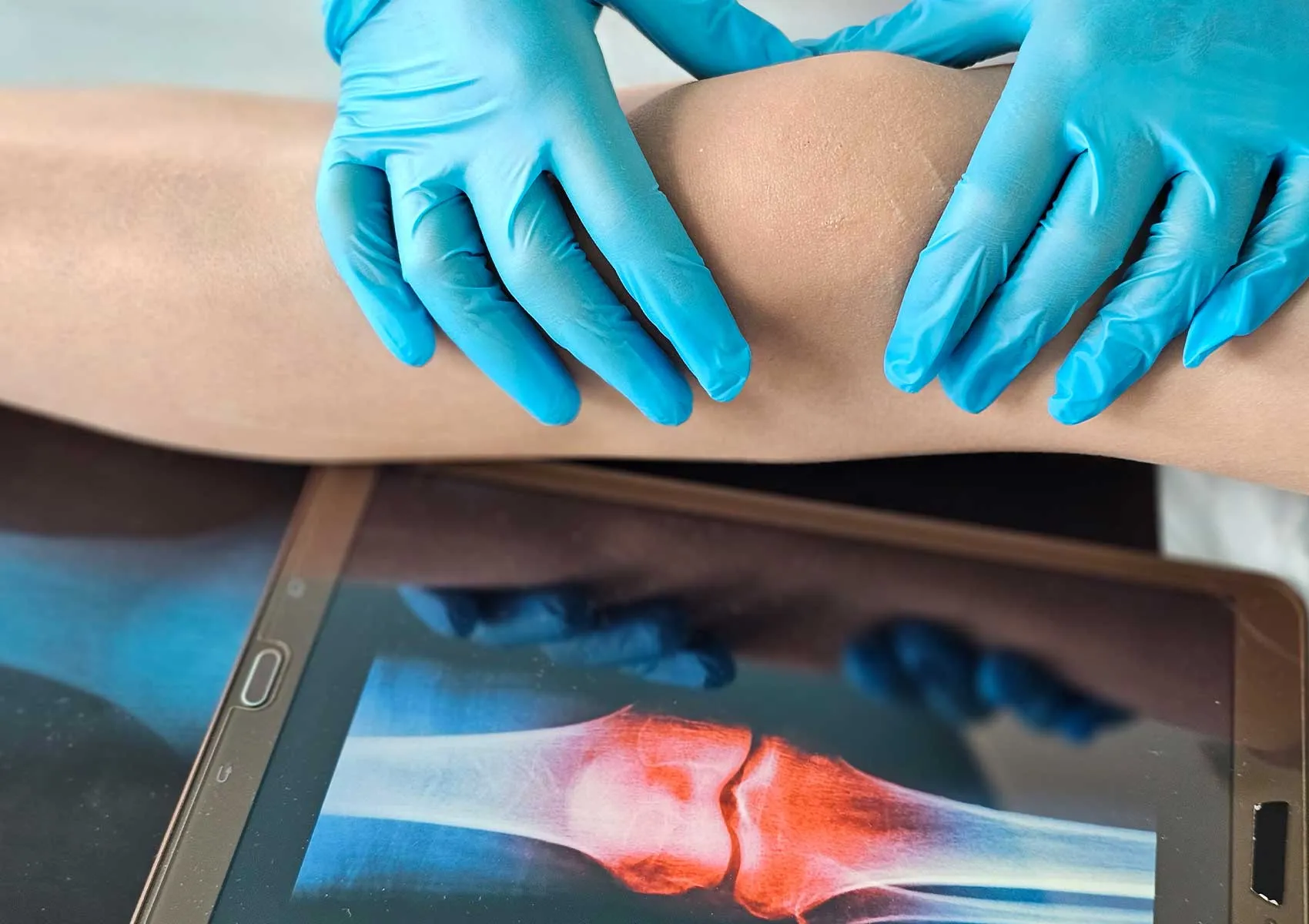
ACL Surgery: Diagnosis, Treatment, and Recovery Process
Anterior cruciate ligament (ACL) surgery is a minimally invasive arthroscopic procedure with a high success rate, performed to restore knee stability.
The anterior cruciate ligament (ACL) is one of the key stabilizers of the knee joint and is commonly injured, especially among athletes. ACL surgery is a surgical procedure performed to repair or reconstruct a torn or nonfunctional ligament to restore the knee’s original function. This article provides comprehensive information ranging from diagnosis methods and surgical techniques to graft selection and the healing process.
What is the Anterior Cruciate Ligament (ACL)?
The ACL connects the thigh bone (femur) to the shin bone (tibia) and prevents the knee from sliding forward. It also provides rotational stability to the knee. Injuries usually occur due to sudden changes in direction, abrupt stops, or direct impacts to the knee.
Symptoms and Diagnosis of ACL Tears
When the ACL is injured, patients often hear a “pop” sound from the knee. This is usually followed within hours by rapid swelling, severe pain, and inability to bear weight. A feeling of instability or the knee “giving way” is also a common symptom.
Diagnosis relies on physical examination tests (Lachman test, anterior drawer test) and magnetic resonance imaging (MRI). The severity and type of tear determine the treatment approach. The schematic below shows different types of ACL tears.
Treatment Options for ACL Injuries
Treatment depends on the patient’s age, activity level, and accompanying injuries such as meniscus or cartilage damage. For more detailed information, see our page on ACL injuries.
Non-Surgical Methods
Non-surgical treatment may be considered for older patients, non-athletes, or those without significant instability. This includes physical therapy to strengthen muscles, activity modification, and use of knee braces.
Surgical Intervention: ACL Reconstruction
Surgical treatment is usually recommended for younger patients, those who wish to return to active sports, and patients experiencing knee instability. The goal of surgery is to restore mechanical stability to the knee and prevent future damage to the meniscus or cartilage.
Surgical Procedure and Techniques
Today, ACL reconstruction is typically done using minimally invasive arthroscopic methods. With arthroscopic surgical techniques, the damaged ligament is repaired through small incisions with the help of a camera and specialized instruments.
During surgery, the damaged ligament is removed, and a prepared graft (replacement tissue) is implanted. For more surgical details, please refer to our article on knee arthroscopy procedure.
Graft Options: Patellar Tendon, Hamstring Tendon, and Allograft
The replacement tissue used to reconstruct the ligament is called a graft. Selection depends on the surgeon’s experience and the patient’s specifics. Concomitant issues such as meniscus tears and treatment options may also influence graft choice and rehabilitation plans.
- Hamstring Tendon: Frequently used; associated with less postoperative pain.
- Patellar Tendon: Provides bone-tendon-bone healing; often used by professional athletes.
- Allograft (Donor Tissue): No tissue taken from the patient; shorter surgery time but may have different healing characteristics.
Postoperative Recovery and Rehabilitation
Successful surgery requires an equally focused rehabilitation process. The rehabilitation program after ACL surgery should be individualized. The infographic below outlines the typical recovery timeline.
Initial weeks focus on swelling control and range of motion exercises, progressing to strength and balance training in later months. In some cases, adjunct therapies such as PRP and stem cell treatments may be integrated to support healing.
A common concern among patients is returning to sports after ACL surgery, which generally occurs between 6 to 9 months, based on functional testing results. The image below shows basic physical therapy exercise sequences.
Risks, Complications, and Prevention Strategies
As with any surgery, ACL reconstruction carries risks such as infection, blood clots, or graft failure. To minimize risks and avoid re-injury, adherence to knee injury prevention strategies for athletes is essential.
Errors during rehabilitation can delay recovery. For guidance on common mistakes, see our article on frequent exercise errors among athletes.
Information and References
This content is based on current medical literature and scientific research. Key sources include Mayo Clinic, NIH (National Institutes of Health), and Sports Health journal. The decision and steps for ACL surgery should be individualized for each patient.
This content is for general informational purposes only and does not replace professional medical advice, diagnosis, or treatment. Please consult a qualified healthcare provider with any medical questions. Information on this site should not be used to make treatment decisions without a physician’s evaluation.
FAQ
-
How is an ACL tear diagnosed?
An ACL tear typically occurs after a sudden twist or jump, often accompanied by a 'pop' sound, severe pain, rapid swelling, and a feeling of knee instability. Definitive diagnosis requires physical examination and MRI imaging.
-
Who is a candidate for ACL surgery?
Surgery is generally recommended for young, active individuals who wish to return to sports, those experiencing instability during daily activities, and patients with additional risks to joint structures like the meniscus.
-
What graft options are used in ACL surgery?
The most common grafts are the patient’s own hamstring tendons and patellar tendon (autografts). In some cases, donor tissue allografts are used. The choice depends on the surgeon’s experience and patient’s condition.
-
How long is the recovery period after ACL surgery?
Recovery varies by individual, but full return to sports usually takes 6 to 9 months. Return to daily activities may take a few weeks for desk workers and 1–2 months for those who stand or walk frequently.
-
What precautions should be taken after surgery?
Patients must strictly follow their prescribed exercise program, avoid excessive knee loading, apply ice to control swelling, and refrain from sudden twisting or risky movements until fully healed.