
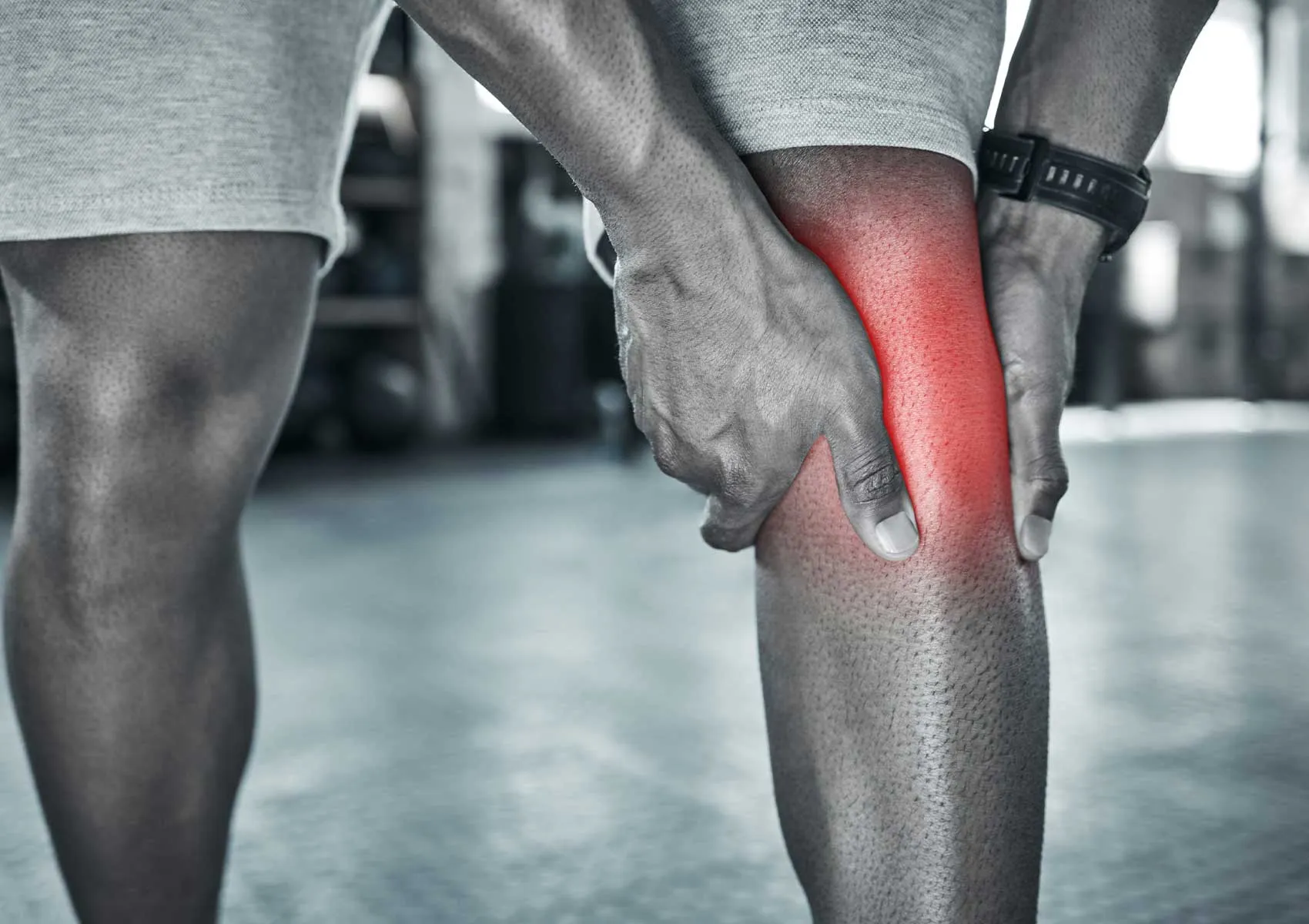
Sports Surgery: Injuries, Treatments, and Recovery Guide
Sports surgery involves the diagnosis and treatment of musculoskeletal issues such as meniscus tears, anterior cruciate ligament injuries, and shoulder damage.
Sports surgery is a medical specialty focused on the diagnosis, treatment, and rehabilitation of muscle, tendon, ligament, and joint injuries that occur in physically active individuals and professional athletes. Traumas sustained during sports activities can directly affect quality of life and physical performance. The primary goal in this field is to help patients return to their previous activity levels safely and quickly. Sports surgery encompasses not only surgical interventions but also preventive approaches and non-surgical treatment methods. Injuries to the knee, shoulder, hip, and ankle joints are among the most commonly addressed issues.
Introduction to Sports Surgery
Sports surgery is a subspecialty of orthopedics and traumatology that focuses on sports-related injuries. High-energy traumas or chronic overuse injuries experienced by athletes may require more specialized treatment protocols than standard orthopedic care. This discipline aims to restore the anatomical integrity of injured tissues while considering the athlete's performance goals. Advances in technology have enabled many procedures to be performed using minimally invasive techniques (arthroscopy), reducing damage to surrounding tissues and accelerating recovery.
What Injuries Does Sports Surgery Cover?
Sports injuries usually result from contact sports, sudden twisting movements, or overloading. The most affected areas are the knees, shoulders, and ankles. The diagram below illustrates the anatomical structure of the knee joint and common sports injuries in this region.
Knee Injuries
The knee joint bears body weight and endures significant stress during sports. Meniscus tears, anterior cruciate ligament (ACL) injuries, and cartilage damage are frequently seen in athletes. ACL reconstruction surgery, especially after sudden stops or twists, is commonly performed to restore joint stability. Additionally, cartilage lesions evaluated under general knee joint disorders can lead to osteoarthritis if left untreated.
Shoulder Injuries
The shoulder joint’s wide range of motion makes it prone to instability and soft tissue injuries. Rotator cuff tears and labrum damage (Bankart lesions) are common in athletes performing repetitive throwing motions. Surgical repair may be necessary in cases of shoulder dislocations leading to instability.
Ankle and Hip Injuries
Ankle sprains are among the most common injuries on the sports field, often resulting in ligament damage. Without proper treatment, these can cause chronic pain and instability. Hip issues frequently present as groin pain in athletes, particularly in sports requiring deep squatting. Femoroacetabular impingement surgery, included in hip joint disease treatments, aims to correct the mechanical fit of the joint. The treatment protocol for ankle sprains is summarized in the following flowchart.
Treatment Options for Sports Injuries
Treatment strategies depend on the injury type and severity, as well as the patient’s age and activity level. Not all injuries require surgery; many can be managed effectively with conservative treatments.
Non-Surgical Approaches
Mild to moderate injuries are initially managed conservatively. The RICE protocol (Rest, Ice, Compression, Elevation), medication, and physical therapy form the cornerstone of this approach. Injection therapies and load modification strategies, categorized under cartilage disease treatments, can also be applied for joint surface damage.
Surgical Interventions
Surgery is considered when conservative treatment fails or in cases such as mechanical blockage or complete tears. Arthroscopy is the current gold standard in sports surgery, allowing joint structures to be visualized and repaired through minimal incisions. For example, arthroscopic cartilage repair can be performed with minimal cuts, enhancing patient comfort. In some cases, bone surgeries like osteotomies are used to correct load-bearing axis alignment.
Cellular and Innovative Treatments
Recent advances in regenerative medicine have introduced new possibilities in sports injury treatment. Autologous biological therapies such as PRP and stem cell treatments are increasingly applied to support tendon and cartilage repair. These methods aim to accelerate tissue healing and reduce pain.
Postoperative Recovery in Sports Surgery
Rehabilitation following surgery is just as critical as the surgery itself. Recovery progresses through stages including tissue healing, regaining range of motion, increasing muscle strength, and sport-specific exercises.
Considerations When Choosing a Sports Surgery Specialist
Sports surgery requires specific expertise and experience. When selecting a surgeon, factors such as the physician’s experience with sports injuries, current surgical techniques employed, and scientific contributions should be considered. The technological infrastructure of the facility and availability of postoperative rehabilitation services also significantly influence treatment outcomes.
Sources and Scientific References
This content has been prepared based on up-to-date medical literature and data from international health authorities. Primary references include:
- World Health Organization (WHO)
- National Center for Biotechnology Information (NCBI)
- Mayo Clinic Orthopedics Department
The content on this website is for general informational purposes only and does not constitute professional medical advice, diagnosis, or treatment. If you have any health concerns or questions, please consult a qualified healthcare professional. The information provided here is not intended to be used for creating personalized treatment plans. Never disregard or delay seeking the advice of your doctor or other qualified health provider with respect to any medical condition.
FAQ
-
What injuries does sports surgery cover?
Sports surgery involves the diagnosis and surgical treatment of sports-related muscle and joint injuries, such as knee injuries (meniscus, anterior cruciate ligament), shoulder injuries (rotator cuff, Bankart lesion), and ankle sprains. Each case is unique, so it’s important to consult a specialist for an accurate diagnosis.
-
When is surgery necessary for sports injuries?
Surgery is generally considered when conservative treatments (rest, physical therapy) fail or in severe injuries that significantly compromise joint stability. Your doctor will assess your specific situation to determine the best course of action.
-
How long is the recovery period after sports surgery?
Recovery time varies depending on the type of injury, the complexity of the surgery, and the patient's physical condition. It typically involves an intensive rehabilitation period lasting from several weeks to a few months.
-
Can sports injuries be treated without surgery?
Many sports injuries can be effectively treated with non-surgical methods such as rest, ice, compression, elevation (RICE protocol), pain management, physical therapy, and rehabilitation. However, surgery may be necessary in more serious cases.
-
What should I consider when choosing a sports surgery specialist?
When selecting a sports surgery specialist, consider the doctor’s experience, expertise in the relevant area, success rates, and patient references. Additionally, the technological capabilities of the hospital or clinic should also be taken into account.