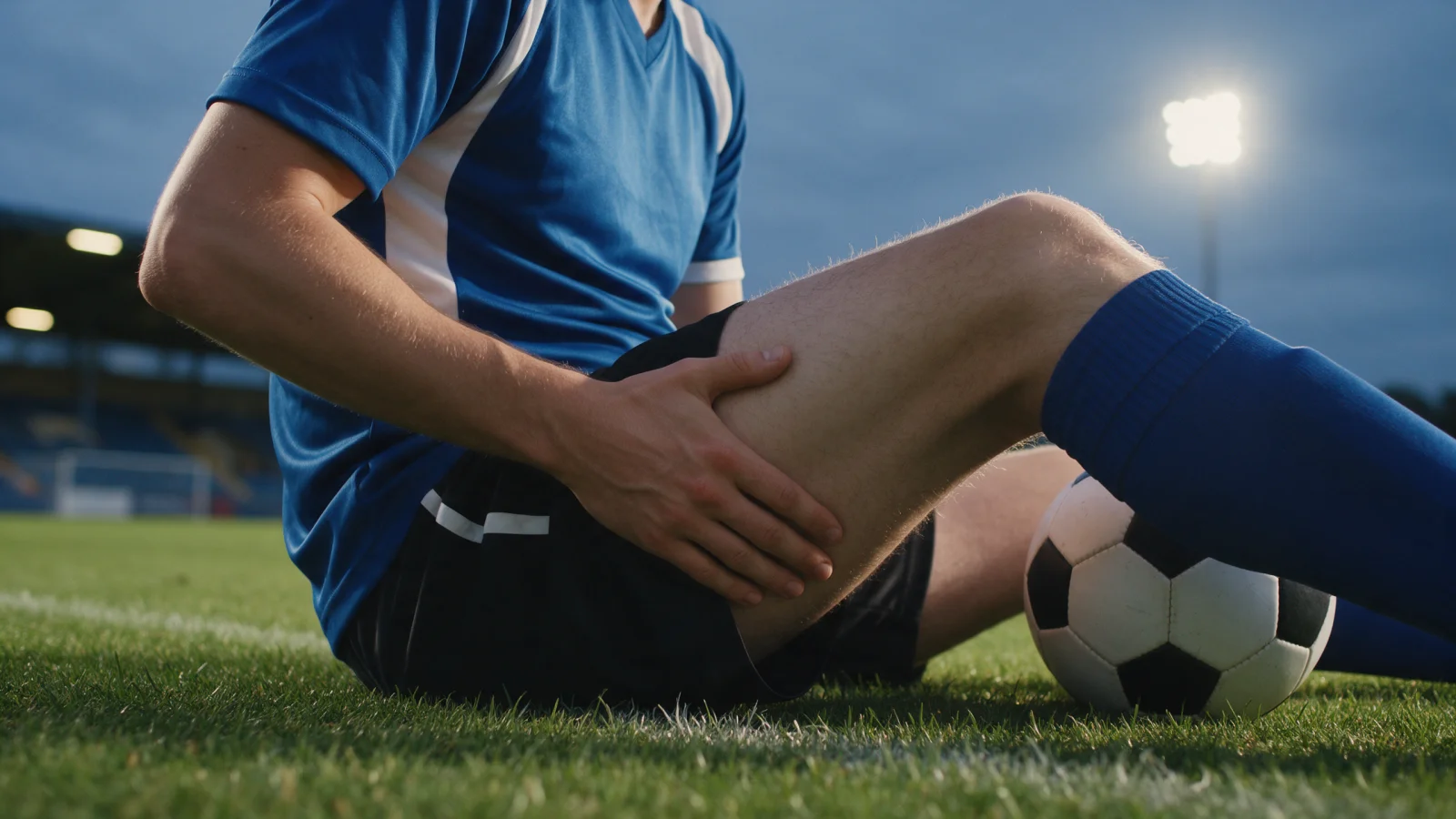
Treatment for a groin strain is usually non-surgical: protecting the muscle and using ice in the first days, then a gradually progressed strengthening program and a sport-specific return plan. The most common groin injury in footballers is a strain or tear of the adductor muscles on the inner thigh, which pull the leg inwards. Recovery time depends on the grade of injury, and the rare complete tendon ruptures may need a surgical opinion.
This article covers what the adductors do, how groin strains happen, their symptoms and grades, other causes of groin pain, diagnosis, step-by-step rehabilitation, return-to-sport criteria and prevention.
What are the adductors and how do groin strains happen?
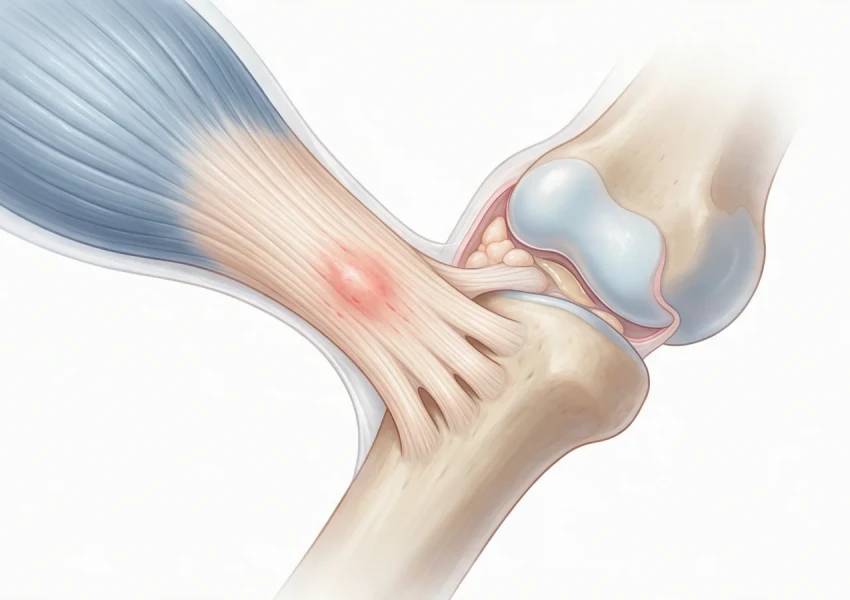
The adductors run from the pubic bone at the front of the pelvis to the inner side of the thigh bone. Besides pulling the leg inwards, they stabilise the hip and pelvis when running, dribbling and changing direction. The adductor longus is the muscle most often injured.
Strains usually occur when the muscle is suddenly loaded while contracting and stretching at the same time, which is why they are common in football, hockey, basketball, tennis and combat sports. Typical mechanisms include:
- A powerful kick or long pass with the leg swinging forward
- Sudden cutting and changes of direction
- Sliding tackles or the legs being forced apart
- Explosive sprint starts
- Poor pre-season preparation or accumulated fatigue in a busy fixture list
A previous groin injury, adductors that are weak relative to the outer hip muscles and long breaks between seasons are recognised risk factors.
Symptoms and grades
- Sudden pain on the inner thigh near the groin, sometimes with a tearing sensation
- Pain when squeezing the legs together
- Pain when moving the leg outwards or kicking
- Pain and weakness when running, especially when changing direction
- Tenderness over the muscle
- Bruising and swelling on the inner thigh within days in more severe tears
Muscle injuries are graded in three levels. Grade 1 involves few fibres, with pain but little weakness. Grade 2 is a partial tear with more pain, weakness and possible bruising. Grade 3 is a complete tear of muscle or tendon; it is rare and causes marked weakness, bruising and sometimes a palpable gap. See our article on muscle tears and strains for more.
Other causes of groin pain to consider
Not every groin pain is an adductor strain, especially if it started gradually or has not settled within weeks:
- Athletic pubalgia: strain where the abdominal wall attaches near the groin, often worse with coughing or sit-ups.
- Osteitis pubis: overload-related pain at the pubic joint.
- Hip joint problems: impingement and labral tears can cause deep groin pain with catching or clicking.
- Inguinal hernia: a groin bulge and pain on straining.
- Stress fractures: of the femoral neck or pelvis with heavy running loads; these must not be missed.
Read more in our article on athletic pubalgia in footballers.
How is it diagnosed?
The examination looks at where it hurts, how the injury happened, tenderness over the adductors, pain on resisted squeezing of the legs (squeeze test) and on stretching. The hip, abdominal wall and pubic bone are also checked. Mild strains can often be diagnosed clinically; ultrasound can show the size and site of a tear, and MRI can assess whether the tendon has pulled off the bone and rule out hip problems or stress fractures.
Step-by-step treatment
1. Early phase: protect and settle
- Avoid running, kicking and wide stepping that provoke pain; walk if it is comfortable, and use crutches briefly if you limp badly.
- Apply a towel-wrapped ice pack for 15–20 minutes several times a day.
- Light compression with an elastic bandage can limit swelling.
- Do not force stretches at this stage.
2. Strength phase
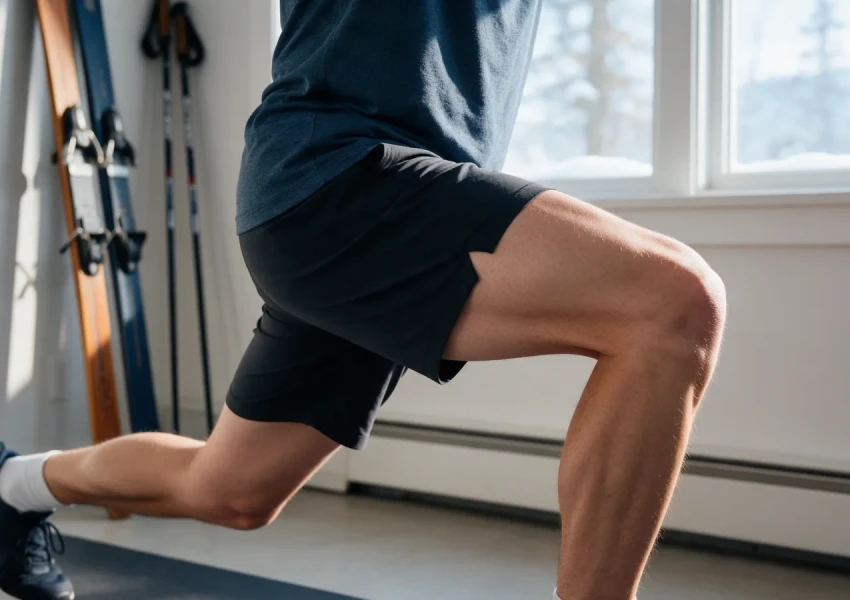
As pain settles, the muscle is loaded gradually, usually starting with pain-free isometric squeezes of a ball or pillow between the knees, then side-lying leg lifts, banded adduction and glute bridges. Trunk and hip strengthening matter too, because pelvic stability directly affects groin load.
3. Advanced and sport-specific phase
Harder exercises such as the Copenhagen adduction exercise (side plank with the top leg supported on a bench or partner), easy running, side shuffles, agility drills and finally shooting and long passing are added, with load adjusted to symptoms at every step.
Injections and surgery
Biological treatments such as PRP may be discussed for some stubborn muscle and tendon injuries, but their role is limited and decisions are individual. Surgical repair may be considered for rare complete tendon avulsions, particularly in high-level athletes.
When can you return to sport?
Recovery depends on the grade and site of the injury, playing level and rehabilitation. Mild strains often need a few days to a few weeks; partial tears may take longer. Return is based on criteria rather than a date:
- No pain on the squeeze test
- Adductor strength close to the uninjured side
- Full-speed running, stopping and cutting without pain
- Shooting and long passing completed without symptoms
- Gradual team training with no pain the next day
Returning too early raises the risk of re-injury. See our guide on when an injured athlete should return to sport.
Prevention
- Do a dynamic warm-up before training and matches; structured warm-up programs can help.
- Include adductor strengthening such as the Copenhagen exercise each week.
- Build training load gradually in pre-season and after breaks.
- Train your hip and trunk muscles regularly.
- Reduce load at the first sign of groin tightness rather than playing through pain.
When should you see an orthopedic specialist?
- A tearing sensation followed by marked bruising and weakness
- Being unable to walk without a limp
- Groin pain that has not eased in one to two weeks or returns with every session
- Deep groin catching, locking or clicking
- Pain that began without injury, increases with running and does not settle with rest
- A groin bulge or pain on straining
Seek same-day care if groin pain comes with fever, abdominal pain or burning on urination, or if you cannot bear any weight after a fall.
At Prof. Dr. Gökhan Polat's clinic, athletes with groin pain are assessed with an examination and appropriate imaging, and rehabilitation is planned around their sporting goals. Learn more on our sports injuries page.
In summary
- In footballers, a groin strain is most often an injury to the adductor muscles of the inner thigh.
- Treatment is usually non-surgical: early protection, progressive strengthening and a sport-specific program.
- Return to sport is based on pain-free tests and strength rather than a fixed date.
- Persistent groin pain, or pain without a clear injury, needs checks for hip, abdominal wall and stress fracture causes.
This article is for general information only; diagnosis and treatment decisions are made individually after examination and the necessary tests.
Frequently asked questions
How long does a groin strain take to heal?
Healing time depends on the grade of injury; mild strains usually recover within a few days to a few weeks, while partial tears can take longer. Return to sport is based on pain-free testing and regained strength rather than a fixed timeline.
What are the symptoms of a torn groin muscle?
Typical symptoms are sudden pain on the inner thigh near the groin, pain when squeezing the legs together or kicking, weakness when running and tenderness over the muscle. More severe tears may cause bruising on the inner thigh within a few days.
Should I use ice or heat for a groin strain?
In the first days after the injury, a towel-wrapped ice pack for 15–20 minutes several times a day is usually recommended. Once swelling and bruising have settled, gentle heat before exercise can help the muscle relax.
Can I play football with a groin strain?
Playing on with groin pain and weakness can worsen the injury and increase the chance of it recurring. A gradual return is planned once the squeeze test is pain-free, strength is close to the other side and shooting, sprinting and cutting cause no pain.
Does a groin tear need surgery?
Most groin strains are treated without surgery, through rehabilitation. Surgical repair may be considered for rare injuries where the tendon has pulled completely off the bone, particularly in high-level athletes, based on examination and MRI findings.