
After knee arthroscopy, most people return to everyday activities within a few days to a few weeks, while regaining full strength and returning to sport usually takes around 6–12 weeks, and several months after ACL reconstruction. The single biggest factor is what was actually done inside the knee: trimming a torn meniscus and repairing it, or repairing cartilage, follow very different timelines.
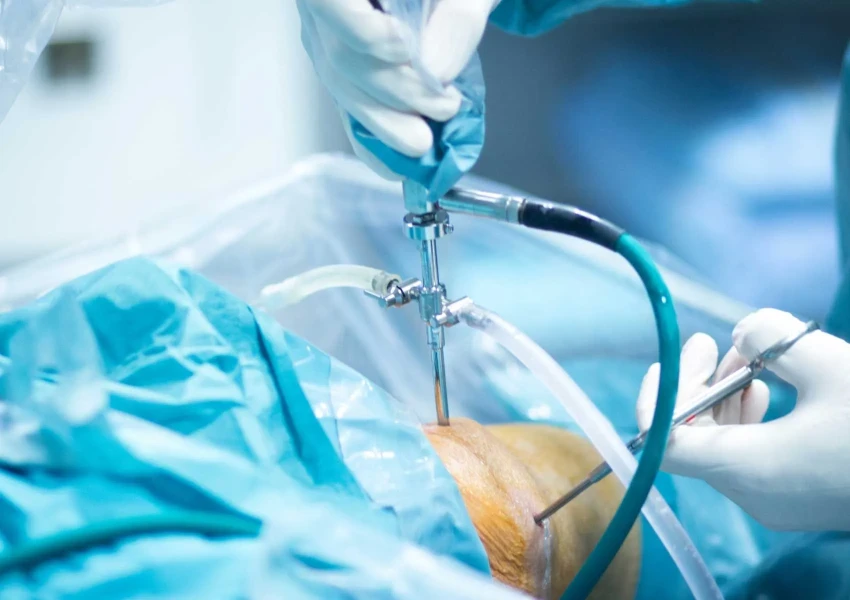
Knee arthroscopy is a minimally invasive procedure performed through small incisions using a camera (arthroscope) and specialized instruments. It is commonly used for meniscal tears, cartilage damage, loose body removal and anterior cruciate ligament (ACL) reconstruction. The outcome depends not only on the surgery itself but also on the quality of the recovery afterward. Below we walk through the recovery timeline step by step, along with the precautions that matter most.
How long does it take to recover from knee arthroscopy?
There is no single number that fits everyone. It helps to think of three overlapping processes:
- Wound healing: the small portals usually close within 1–2 weeks, and stitches are typically removed around day 7–10.
- Return to daily life: after a simple meniscus trim, many patients move comfortably around the house within days, and desk work is often possible within 1–2 weeks.
- Full function and sport: rebuilding muscle strength, balance and load tolerance takes longer, and much longer after meniscal repair, cartilage repair or ligament surgery.
The timeline below is a general framework. Your own program is set by your surgeon based on the procedure performed and your examination findings.
Week-by-week recovery after knee arthroscopy
The first 24 hours
- The knee is bandaged; if a drain was placed, it is usually removed early.
- Mild pain and swelling are common.
- Ice, elevation and rest are recommended.
- Depending on the procedure, weight bearing may be limited and crutches or a walker used.
- Blood thinners may be prescribed to reduce clot risk, depending on your surgeon and your risk profile.
Week 1: early recovery
- Ice and elevation continue to control swelling and pain.
- Gentle range-of-motion work and ankle pumps may begin.
- Light daily activities can be resumed with care.
- Stitches are usually removed around day 7–10.
- Physical therapy typically starts in this period.
Weeks 2–4: regaining mobility
- Physical therapy becomes more active.
- Strengthening exercises, especially for the quadriceps, are introduced.
- Stairs and short walks may be allowed.
- Knee bending and straightening improve noticeably.
- Running and deep squats are still restricted.
Weeks 4–8: rebuilding strength
- Muscle and balance training become the focus.
- Low-impact activities such as stationary cycling or swimming may begin.
- Load tolerance improves and pain usually settles considerably.
- Return-to-sport assessment may start, depending on the procedure.
Week 8 and beyond
- Full range of motion usually returns.
- Moderate activity such as light jogging and squats can be added with your surgeon's approval.
- Return to sport is gradual and may begin around three months for many procedures.
- After ACL reconstruction the timeline is longer and is guided by strength and functional testing.
Going back to work depends on how physical your job is; see our article on return to work after arthroscopic surgery for more detail.
How does the procedure change the timeline?
Partial meniscectomy (meniscus trimming)
Because no tissue is sutured, weight bearing and motion are usually allowed earlier, and the return to daily life tends to be relatively quick.
Meniscus repair
A sutured meniscus needs time to heal, so weight bearing and knee flexion may be restricted for the first weeks and deep squatting avoided for longer. Our step-by-step meniscus surgery recovery guide covers this in detail.
Cartilage procedures
Simple cartilage smoothing differs greatly from microfracture or cartilage repair. After reparative procedures, protected weight bearing may be needed for several weeks, and full recovery can take months.
ACL reconstruction
The graft has to heal into bone and mature, which makes this the longest rehabilitation group. Return to sport is based on strength and functional tests, not on time alone.
Factors that affect recovery time
- Type of procedure (meniscal repair vs. trimming, cartilage work, ligament surgery)
- Coexisting problems such as cartilage damage, ligament injury or arthritis
- Age and baseline muscle strength
- Knee function before surgery
- Commitment to physical therapy and home exercises
- Sports history, body weight and general health
Walking, pain and swelling: practical precautions
Some pain and swelling in the first days is expected and usually eases over time. To support healing:
- Avoid twisting, jumping and sudden pivoting early on.
- Limit long periods of standing or heavy loading on the operated knee.
- Use crutches for as long as your surgeon advises.
- Do not resume sport without your surgeon's approval.
- Keep up with your rehab program consistently.
- Keep the dressing clean and dry and follow advice on when you can shower.
When should you see an orthopedic specialist?
Besides your scheduled follow-ups, contact your surgeon promptly if you notice:
- Fever above 38 °C or chills
- Increasing redness, warmth or discharge at the incisions
- Pain and swelling that get worse instead of better
- Calf pain, swelling or tightness (a possible sign of a clot)
- Shortness of breath or chest pain (seek emergency care)
- Locking, giving way or a new, marked build-up of fluid in the knee
At Prof. Dr. Gökhan Polat's clinic, follow-up and rehabilitation after arthroscopy are planned individually according to the procedure performed and the findings at each visit. You can learn more on our arthroscopic surgery page.
In summary
- Return to daily life after knee arthroscopy usually takes days to a few weeks; return to sport takes longer.
- Meniscal repair, cartilage repair and ACL reconstruction need considerably more time than simple trimming procedures.
- Consistent rehabilitation and following your surgeon's advice are central to recovery, and timelines vary from person to person.
This article is for general information only; diagnosis and treatment decisions are made individually after examination and the necessary tests.
Frequently asked questions
When can I walk after knee arthroscopy?
Most patients begin assisted walking within 1–2 days, depending on the type of procedure.
Is physical therapy necessary?
Yes. Rehabilitation is essential for regaining strength, flexibility, and knee stability.
When can I return to sports?
Generally, 6–8 weeks for light activity and around 3 months for full return. ACL surgery requires a longer timeline.
How long does swelling last?
Swelling decreases significantly by the end of week 2. Mild puffiness may persist until week 4.
Will there be long-term pain?
Severe pain typically subsides within 3–7 days. Persistent pain should be evaluated by your doctor.
When can I go back to work after knee arthroscopy?
For desk-based work, returning within about 1–2 weeks is often possible after simple procedures. Jobs that involve long standing or heavy physical work usually require more time. After meniscal repair or ligament surgery, your surgeon will set a separate timeline, and it varies from person to person.
How long does it take to recover from knee cartilage surgery?
It depends on the procedure. Recovery after simple cartilage smoothing can be relatively quick, whereas after microfracture or cartilage repair, protected weight bearing may be needed for several weeks and full recovery can take months. Your surgeon will plan the timeline based on what was done during surgery.