
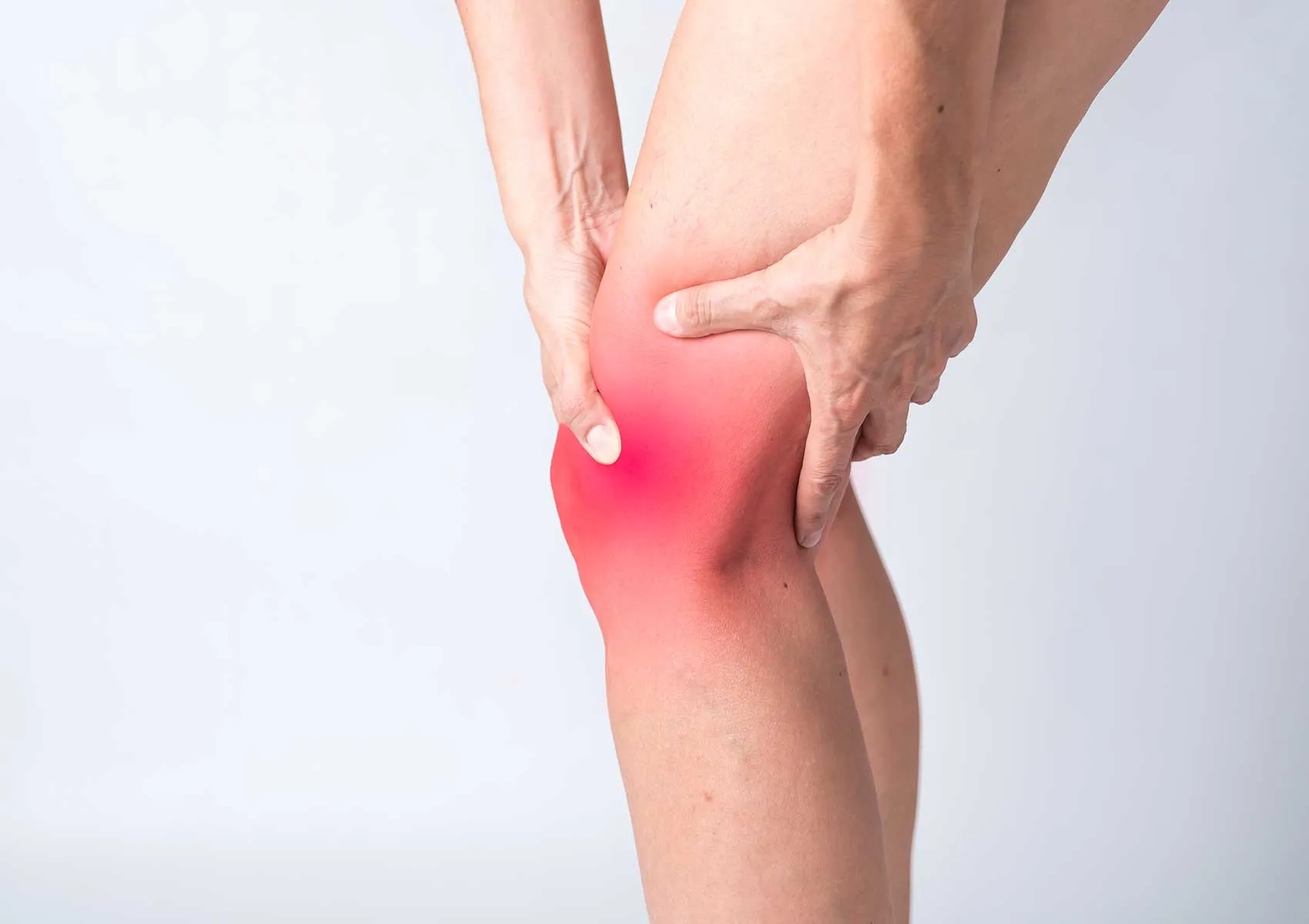
Meniscus Tear Treatment: Repair vs. Cleaning Explained
Meniscus tear treatment should be tailored to the patient's age, activity level, and the type of tear.
The health and functionality of the knee joint are vital for maintaining an active lifestyle. One of the knee’s most important structures, the menisci, play a critical role in protecting the knee by distributing load and absorbing shock. However, tears caused by sports injuries or age-related degeneration can seriously affect quality of life. Thanks to advances in surgical techniques, meniscus tear treatment now offers various options.
A key decision for both patients and doctors is whether to repair the damaged tissue or to remove the torn part. In this article, we will examine the differences, benefits, and indications of these two main surgical approaches in meniscus surgery, based on scientific evidence.
What is a Meniscus Tear?
The meniscus is a C-shaped cartilage structure located between the thighbone (femur) and shinbone (tibia). Each knee contains two menisci—medial (inner) and lateral (outer). They evenly distribute the load borne by the joint, protect the cartilage, and contribute to knee stability. Damage to the meniscus disrupts knee biomechanics, causing pain and restricted movement.
Causes and Risk Groups for Meniscus Tears
Meniscus tears are mainly categorized into two groups: traumatic and degenerative tears. Traumatic tears commonly occur in young, active individuals during sports activities. Sudden twisting of the body while the knee is fixed, abrupt stops, or direct blows to the knee predispose to these tears. Contact sports like soccer, basketball, and skiing frequently cause such injuries.
Degenerative tears result from deterioration and weakening of the meniscus tissue with age. Older adults may experience tears during simple activities such as standing up from a chair or everyday movements. According to the American Academy of Orthopaedic Surgeons (AAOS), meniscus tissue loses water content over time, making it more prone to tearing.
Symptoms of a Meniscus Tear
When a meniscus tear occurs, patients often experience sudden knee pain or an audible “pop.” Degenerative tears tend to develop gradually and subtly. Common symptoms of a meniscus tear include:
- Pain along the joint line of the knee
- Swelling and stiffness
- Inability to fully bend or straighten the knee
- Locking, catching, or giving way sensations in the knee
These symptoms can also arise from other knee issues such as cartilage damage or ligament injuries. Non-meniscus-related knee pain requires careful evaluation to ensure an accurate diagnosis by an expert.
Diagnosis: How is a Meniscus Tear Confirmed?
Diagnosis begins with a detailed physical exam. The doctor assesses range of motion and performs specific tests (e.g., McMurray test) to detect meniscus-related pain. Magnetic Resonance Imaging (MRI) is the gold standard to verify physical exam findings and to determine the type, location, and size of the tear.
Meniscus tears often coexist with other injuries such as anterior cruciate ligament (ACL) tears. The relationship between ACL injury and meniscus treatment must be considered in the treatment plan.
Treatment Options for Meniscus Tears
Not all meniscus tears require surgery. Treatment plans depend on patient age, activity level, tear type, and symptom severity.
1. Conservative Treatment: Small, stable tears in the well-vascularized (red) zone, and degenerative tears without severe mechanical symptoms, may be treated non-surgically. This includes rest, icing, anti-inflammatory medication, and physical therapy. Additionally, cell-based treatments like PRP and stem cells can support tissue healing.
2. Surgical Treatment: Surgery is considered if mechanical symptoms (locking) are present, if conservative treatment fails, or for large and complex tears. The necessity of surgery should be carefully evaluated as described in Is meniscus surgery always necessary?.
What is Meniscus Repair?
Meniscus repair involves stitching the torn meniscus tissue together using specialized sutures or implants. The goal is to preserve meniscus tissue and maintain long-term knee health and function. Tears located in well-vascularized regions (red-red or red-white zones) have the best healing potential and are ideal candidates for repair.
Repair is especially preferred in younger patients and in cases such as meniscus root tears that critically impair meniscus function. More information on meniscus root repair is available for this specific and important surgery. Successful repair can significantly reduce the future risk of osteoarthritis.
What is Meniscus Removal (Partial Meniscectomy)?
Meniscectomy or partial meniscus removal is the surgical excision of the damaged meniscus portion that has no healing potential. Tears located in poorly vascularized (white) areas, complex fragmented tears, or degenerated tissue generally cannot be repaired and are therefore removed.
The surgeon aims to remove as little tissue as possible to leave a healthy and functional meniscus. Recovery after removal is typically faster than repair; however, the reduced meniscus volume decreases the knee’s load-bearing capacity.
Repair or Removal? Factors Influencing Decision Making
Definitive choice of procedure is often made during arthroscopic surgery, but preoperative planning is crucial. As detailed in Meniscus tear treatment overview, factors influencing the decision include:
- Type and Location of Tear: Vertical tears in vascular zones lend themselves to repair; complex tears in avascular zones often require removal.
- Tissue Quality: Healthy tissue can be repaired; worn tissue should be removed.
- Patient Age: Tissue preservation is prioritized in younger patients.
- Timing: Fresh tears have a higher chance of successful repair compared to chronic tears.
Surgical Procedure and Arthroscopy Technique
Both procedures are performed arthroscopically, a minimally invasive surgery. Two small incisions (~5mm) are made in the front of the knee to insert a camera and surgical instruments. Knee arthroscopy and meniscus treatment allows the surgeon to visualize the joint in detail and perform precise interventions.
Arthroscopy causes less tissue damage than open surgery, results in less postoperative pain, and allows shorter hospital stays. Most patients can be discharged the same or next day.
Postoperative Recovery and Rehabilitation
Recovery varies greatly depending on the procedure type. Following meniscectomy, patients can typically bear weight immediately and resume daily activities within weeks.
After meniscus repair, healing is more delicate. Weight-bearing may be restricted or limited range of motion allowed for 4-6 weeks for the sutures to consolidate. Return to full sports may take 4-6 months after repair, compared to 1-2 months after removal. Regardless of procedure, strengthening the muscles around the knee and postoperative care is essential.
Medical information provided is for informational purposes only and is not a substitute for professional medical advice, diagnosis, or treatment. The diagnosis and treatment of any health condition should always be determined by a qualified healthcare provider following a personal examination. Do not disregard professional medical advice or delay seeking it because of something you have read here. If you have any health concerns, please consult a licensed medical professional.
FAQ
-
What is a meniscus tear and what causes it?
A meniscus tear is damage to the cartilage structure within the knee joint. It usually results from sports injuries, sudden twisting motions, or age-related wear. Symptoms include pain, swelling, and a locking sensation.
-
What treatment options are available for meniscus tears?
Treatment depends on the tear type, size, and patient age. Options range from conservative methods (rest, physical therapy) to surgical intervention (meniscus repair or removal). Consultation with a specialist is recommended for the best approach.
-
What is the difference between "repair" and "removal" in meniscus surgery?
Meniscus repair involves suturing the torn tissue to preserve it, usually selected for younger patients. Removal (meniscectomy) means excising the damaged part. Both have specific pros and cons, with the decision made by the surgeon based on individual factors
-
What is the recovery process after meniscus surgery?
Recovery varies with the procedure and patient health. Physical therapy is generally necessary, and full healing may take weeks to months. Adhering to your doctor’s guidance is crucial.
-
How can meniscus tears be prevented?
Preventive measures include strengthening knee muscles, practicing correct techniques during sports, using protective gear, and avoiding sudden, uncontrolled movements.