
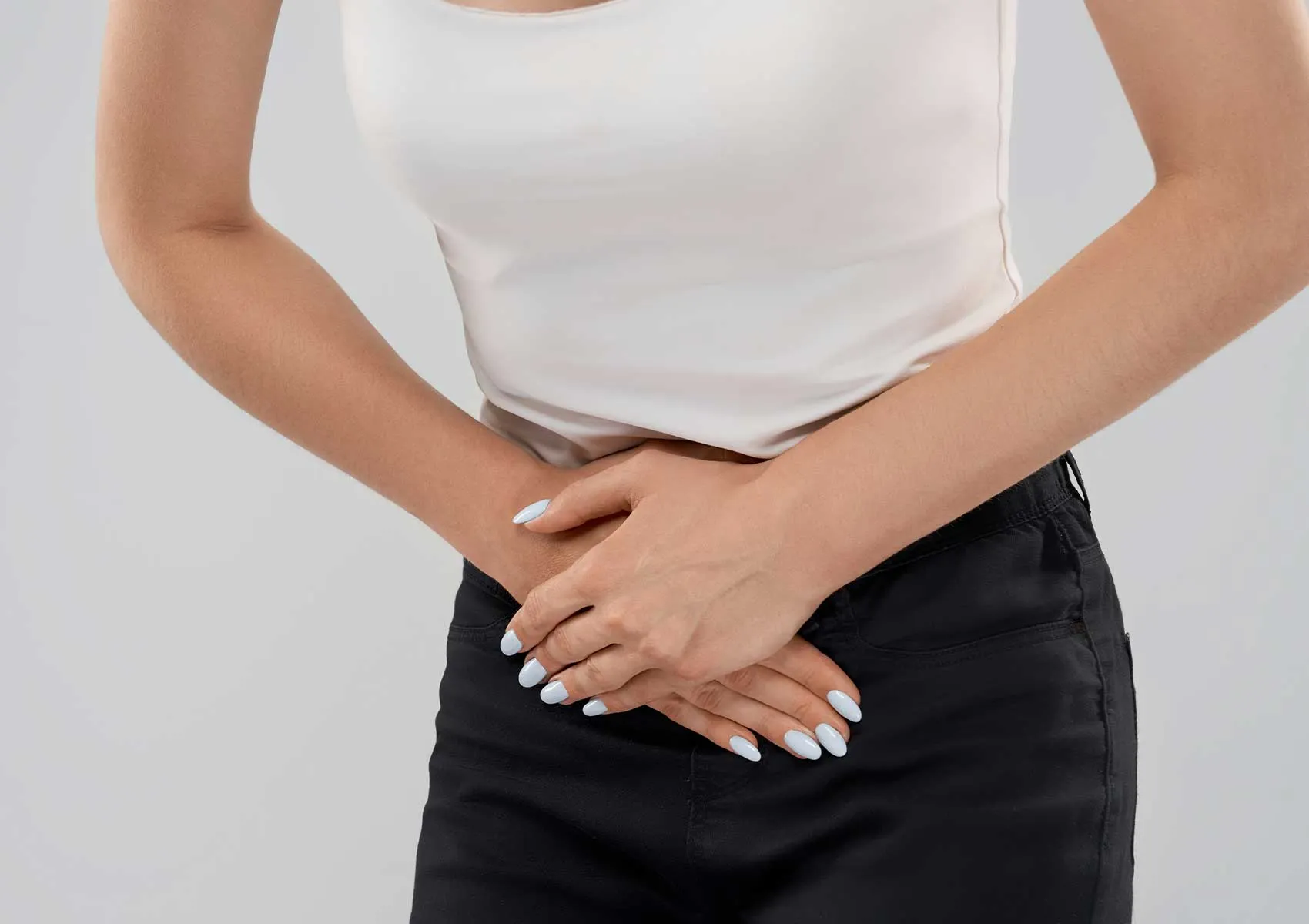
What Causes Groin Pain? Common Causes and Symptoms
Causes of groin pain include muscle strains, hernias, and hip joint disorders.
Groin pain is discomfort experienced at the junction of the abdomen and thigh, affecting people of all ages. It can occur in a wide range of individuals—from active athletes to office workers. While sometimes caused by simple muscle strains, it may also signal more complex problems involving the hip joint. Misdiagnosed groin pain can become chronic and negatively impact daily life quality.
Pain in this region often originates from musculoskeletal, digestive, or urological issues. Hip joint-related pain frequently radiates to the groin and is commonly misinterpreted by patients. This guide analyzes the potential causes of groin pain, important symptoms to watch for, and outlines treatment approaches based on current scientific evidence.
What Is Groin Pain?
Groin pain refers to discomfort occurring at the anatomical area where the lower abdomen meets the upper thigh. The region’s complexity arises from the convergence of numerous muscles, tendons, ligaments, and nerves. Pain may appear suddenly as a sharp stabbing sensation or develop gradually as a dull ache.
Identifying the exact source of pain is critical for effective treatment. According to data from the Mayo Clinic, muscle strains are the most frequent cause, but underlying hip joint conditions should not be overlooked. Pain may be localized within the groin or radiate to the lower back, inner thigh, or knee.
Common Causes of Groin Pain
Groin pain can result from various factors. Categorizing these causes can simplify the diagnostic process.
Muscle and Tendon-Related Causes
Muscle and tendon injuries are the most frequent causes of groin pain among athletes and active individuals. The “adductor” muscles along the inner thigh can be strained or torn due to sudden movements, direction changes, or overload, causing intense pain known as groin strain. Sports such as football, ice hockey, and tennis commonly present these injuries. Research indexed in PubMed highlights that insufficient warm-up and muscle imbalances increase risk.
Hernias and Anatomical Disorders
Inguinal hernia occurs when internal organs or tissues protrude through a weak point in the groin canal. This condition manifests as swelling and pain that worsen with coughing or heavy lifting. Athlete’s hernia, also called athletic pubalgia, is a condition seen in sportspeople characterized by chronic groin pain without a true hernia but caused by weakness at the abdominal muscle attachments. Evaluating this condition is important in cases of persistent groin pain, as detailed on Dr. Gökhan Polat’s website.
Urological and Gynecological Causes
Groin pain may not always stem from the musculoskeletal system. Kidney stones, urinary tract infections, and swollen lymph nodes can refer pain to the groin area. In women, ovarian cysts and endometriosis are notable causes, while in men, testicular problems can present similarly. The National Institutes of Health (NIH) emphasize the importance of differential diagnosis regarding referred pain.
Hip Joint-Related Pain
From an orthopedic perspective, groin pain caused by hip joint pathologies is particularly significant. Conditions such as hip osteoarthritis, labral tears, and femoroacetabular impingement (FAI) typically cause deep groin discomfort. Patients often describe the pain by tracing a “C” shape with their hands along the side of the hip. Familiarity with hip joint diseases is crucial for early diagnosis.
What Symptoms Accompany Groin Pain?
The characteristics of groin pain vary depending on the underlying cause. Location, intensity, and aggravating factors provide diagnostic clues. The following visual aids help distinguish types of groin pain based on their anatomical site.
Common symptoms include:
- Pain worsened by movement: Increased pain during walking, running, or crossing legs often indicates hip joint problems.
- Locking and catching sensations: A feeling of the hip joint catching or audible clicks may suggest a labral tear.
- Swelling or lump: A palpable bulge in the groin region typically indicates a hernia.
- Morning stiffness: Joint stiffness upon waking can be a sign of osteoarthritis.
When Should You See a Doctor?
Not all groin pain requires immediate medical attention, but certain signs warrant prompt specialist evaluation.
As a general rule, pain that does not subside with rest, wakes you from sleep, or is accompanied by systemic symptoms such as fever or nausea should be assessed by a healthcare provider promptly. The American Academy of Orthopaedic Surgeons (AAOS) recommends urgent evaluation for sudden and severe pain following trauma.
The Relationship Between Hip Joint and Groin Pain
Many patients mistakenly believe hip problems cause pain only at the side or back of the hip; however, many hip joint disorders manifest as groin pain.
Femoroacetabular impingement (FAI), especially common in young, active individuals, arises from a mismatch between the femoral head and the hip socket. This mechanical mismatch gradually damages the joint cartilage and the “labrum,” a cartilage ring that seals the joint.
These mechanical issues may cause sharp groin pain during sports or when rising after prolonged sitting. If you experience this pain type, learning about FAI syndrome and hip anatomy and labral tears can help you better understand your condition.
Diagnosis and Treatment Approaches for Groin Pain
Diagnosis begins with a thorough history and physical examination. Your doctor tests movements that provoke pain to differentiate between muscular, hernia-related, or hip joint causes. Definitive diagnosis requires imaging such as X-rays, MRI, or ultrasound.
Treatment plans are tailored to the diagnosis:
1. Conservative Treatment: Rest, ice application, anti-inflammatory medications, and physiotherapy.
2. Injections: Including cellular therapies and platelet-rich plasma (PRP) applications aimed at pain relief and healing support, as explained in detail on cellular therapies and PRP page.
3. Surgical Treatment: For structural abnormalities like FAI or labral tears, minimally invasive hip arthroscopy may be recommended, further discussed on hip arthroscopy treatment page.
Post-operative and conservative rehabilitation must be carefully managed to safely return to sports, elaborated on in the sports injury rehabilitation process.
Tips to Prevent Groin Pain
There are preventive measures to reduce groin pain risk. Regular warm-up and cool-down exercises are essential, especially for athletes. Maintaining muscle balance protects not only the groin but also the entire lower limb. Strengthening muscles around the knee is particularly important to balance the load on hips and groin, as detailed in importance of strengthening knee muscles. Flexibility and core (abdominal and lumbar) strengthening exercises are also effective preventive strategies.
Publication and Update Information
This content has been prepared based on the latest medical literature and clinical experience. As medical knowledge continuously evolves, this article is regularly reviewed and updated.
This content is provided for informational purposes only and does not substitute professional medical advice, diagnosis, or treatment. Always consult your doctor or a qualified healthcare professional with any questions regarding your health. Do not delay seeking medical care or disregard medical advice based on the information provided on this site. If you believe you are experiencing a medical emergency, contact your doctor or emergency services immediately.
FAQ
-
What are the common causes of groin pain?
Groin pain can result from various causes, including muscle strains, hernias, urinary tract infections, kidney stones, or hip joint issues (such as labral tears or femoroacetabular impingement). It is important to consult a specialist for an accurate diagnosis.
-
When is groin pain serious and when should I see a doctor?
You should seek immediate medical attention for severe, sudden groin pain accompanied by fever, nausea, vomiting, or difficulty urinating. Also, if the pain does not improve with rest or worsens, consult a physician.
-
What medical conditions can groin pain signal?
Groin pain may indicate conditions such as inguinal hernia, lymph node inflammation in the groin, hip joint problems (osteoarthritis, labral tears, femoroacetabular impingement), sports hernia, or urological issues. A definitive diagnosis requires evaluation by a doctor.
-
What home treatments can I use for groin pain?
For mild groin pain, resting, applying cold compresses to the affected area, and using pain relievers (with professional advice) may help. However, it is risky to rely on self-treatment without identifying the cause. If pain persists, consult a healthcare professional.
-
Do causes of groin pain differ between women and men?
Yes, some causes of groin pain vary by sex. Men commonly experience issues like inguinal hernias or testicular problems, whereas women may experience gynecological conditions such as ovarian cysts, endometriosis, or pregnancy-related pain. Musculoskeletal problems can occur in both sexes.