
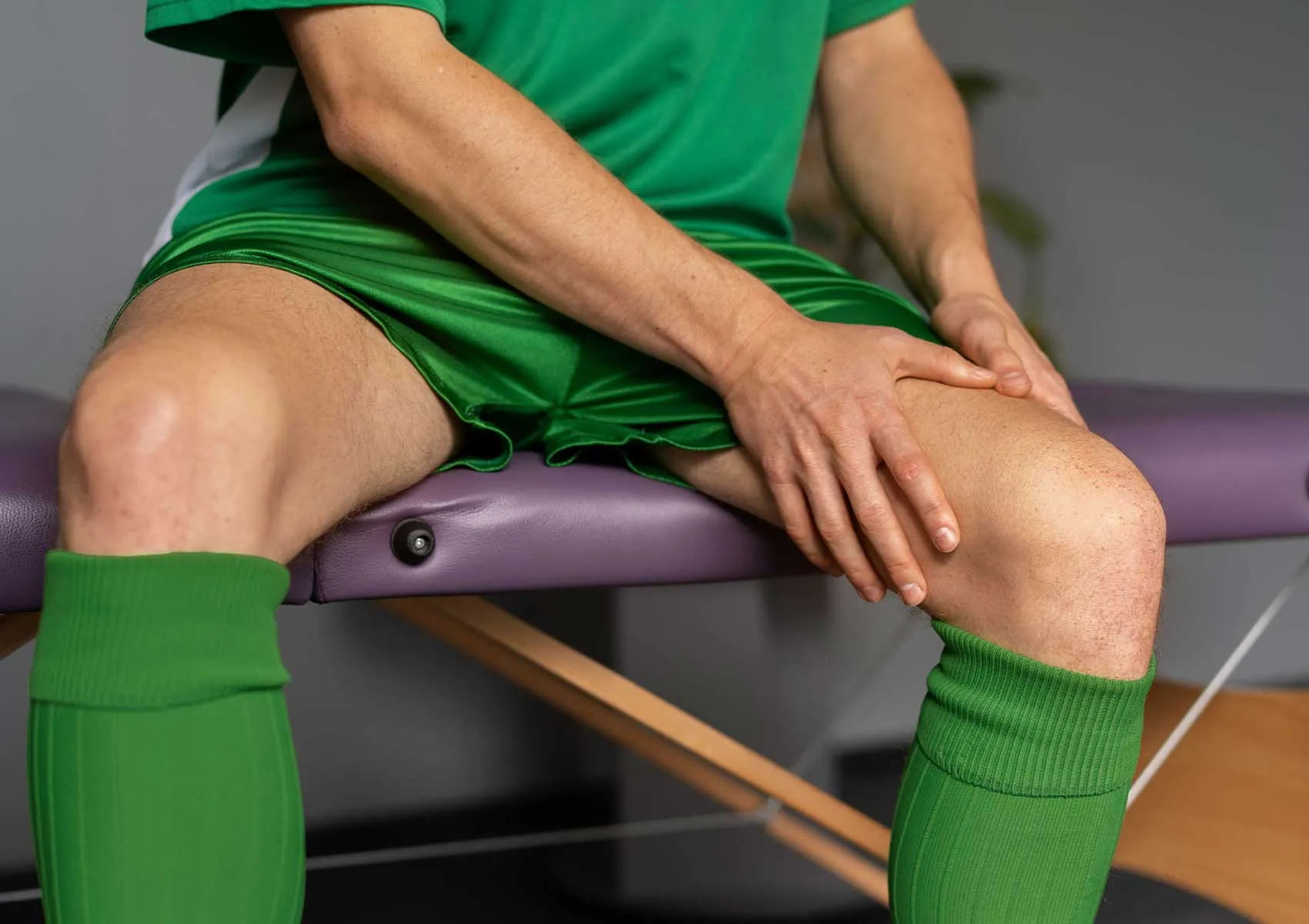
Sports Surgery Specialist: Knee Injuries and Treatments
A sports surgery specialist plays a crucial role in diagnosing and treating musculoskeletal injuries in athletes.
A sports surgery specialist is an orthopedic and traumatology physician who focuses on the prevention, diagnosis, treatment, and rehabilitation of injuries sustained during sports activities. These specialists primarily address musculoskeletal problems common in active individuals and professional athletes. Injuries to joints like the knee, shoulder, hip, and ankle can directly impact an athlete’s performance and quality of life.
The approach to sports injuries differs from standard orthopedic care. The goal is not only to repair damaged tissues but also to help the athlete return to their previous performance level as quickly and safely as possible. This involves a multidisciplinary strategy and individualized treatment plans.
Who Is a Sports Surgery Specialist?
A sports surgery specialist is a physician who has completed medical training followed by specialization in orthopedics and traumatology, with further expertise in sports injuries and arthroscopic surgery. These experts manage trauma to muscles, tendons, ligaments, and bones caused by sports-related activities. Their work includes surgical treatment as well as preventive medicine aiming to reduce injury risk.
What Are Knee Sports Injuries?
The knee joint is one of the most complex and heavily loaded joints in the body, making it highly susceptible to sports injuries. Sports involving sudden turns, stops, and jumps such as football, basketball, volleyball, and skiing frequently cause knee injuries.
Meniscus Tears
Menisci are C-shaped cartilage structures that act as cushions between the thigh bone and shin bone within the knee joint. They can tear due to sudden twisting motions or direct blows to the knee. Meniscus tears cause pain, swelling, locking, and limited motion in the knee. Untreated tears may lead to cartilage erosion.
Anterior and Posterior Cruciate Ligament Injuries
The anterior cruciate ligament (ACL) is one of the most important structures for knee stability. ACL injuries are common in athletes and often require surgical repair. Posterior cruciate ligament (PCL) injuries are less frequent, typically caused by a strong blow to the front of the knee.
Collateral Ligament Sprains and Cartilage Damage
The medial and lateral collateral ligaments prevent excessive sideways motion of the knee. Injuries to these ligaments often result from blows to the side of the knee. Cartilage damage can develop due to trauma or degenerative processes.
Diagnostic Methods
Accurate diagnosis is essential for effective treatment. A sports surgery specialist starts with the patient's history, investigating the injury mechanism. A thorough physical exam then evaluates tenderness, swelling, range of motion, and ligament stability.
Magnetic Resonance Imaging (MRI) is commonly used to confirm findings, providing detailed images of soft tissues, ligaments, and menisci, guiding surgical planning. X-rays or Computed Tomography (CT) scans may be requested if bone involvement is suspected.
Treatment Options
Treatment for knee injuries depends on the type, severity, and the athlete’s activity level, and is generally divided into conservative (non-surgical) and surgical approaches.
Conservative Treatment Options
Mild ligament sprains or some meniscus tears may be managed without surgery. Initial care involves rest, ice, compression, and elevation (RICE protocol). Regenerative medicine techniques such as platelet-rich plasma (PRP) and stem cell therapies can support biological healing. Patients often seek information about the effects and recovery timelines of PRP treatment. Physical therapy and strengthening exercises form the cornerstone of conservative management.
Surgical Interventions
Surgery is considered in cases of complete ligament ruptures, locked meniscus tears, or when conservative treatment fails. Most knee surgeries today are performed arthroscopically (minimally invasive).
For patients with advanced osteoarthritis or joint damage, procedures like knee replacement surgery may be evaluated. Sports surgeons also address hip disorders, such as femoroacetabular impingement and other hip joint conditions covered within their expertise. Overall, sports injury treatments aim to promote healing with minimal tissue damage using minimally invasive techniques.
Rehabilitation and Recovery
Rehabilitation following successful surgery is critical for long-term outcomes. Recovery focuses on restoring joint mobility, increasing muscle strength, and relearning sport-specific skills.
Postoperative care instructions significantly affect recovery speed and success. These essential steps are listed in the postoperative care checklist.
Preventing Knee Injuries
A significant portion of sports injuries can be prevented by taking proper precautions. Awareness of risk factors for knee injuries in athletes is the first step toward prevention. Regular warm-up, stretching, and strength training help reduce injury risk.
Incorrect technique and overloading also contribute to injuries. Raising awareness about common training mistakes and organizing exercise programs under expert supervision is important. Proper equipment and surface choice are also effective in protecting knee health.
Importance of Sports Surgery and Choosing a Specialist
Sports surgery is vital for athletes to continue their careers and maintain active lifestyles. Timely and accurate diagnosis can prevent irreversible damage. When selecting a specialist, consider their experience with sports injuries, skill in arthroscopic surgery, and familiarity with current treatment methods.
This content is provided for informational purposes only and does not substitute professional medical advice, diagnosis, or treatment. Always consult your physician or a qualified healthcare professional regarding any health concerns. Do not delay seeking medical care based on information found on this website. Medical claims are based on general information from reputable sources such as the American Academy of Orthopaedic Surgeons (AAOS), Mayo Clinic, and the World Health Organization (WHO). Diagnosis and treatment are individualized and should be planned in consultation with a healthcare provider.
FAQ
-
Who is a sports surgeon and what conditions do they treat?
A sports surgeon is an orthopedic doctor specialized in diagnosing, treating, and rehabilitating musculoskeletal injuries caused by sports activities. They primarily handle injuries to the knee, shoulder, hip, and ankle.
-
What are the most common sports injuries in the knee?
Common knee sports injuries include meniscus tears, anterior cruciate ligament (ACL) and posterior cruciate ligament (PCL) tears, collateral ligament sprains, and cartilage damage. These injuries often result from sudden movements or trauma.
-
When is surgery necessary for knee sports injuries?
Surgery is typically considered for ligament tears, meniscus damage, or cartilage lesions when conservative treatments are insufficient or when returning to an active sports lifestyle requires it. A specialist in sports surgery should make the treatment decision.
-
How long is the recovery period after knee surgery and what should be considered?
Recovery time varies depending on the injury type, surgical method, and individual factors but usually ranges from several weeks to a few months. Physical therapy and rehabilitation are essential parts of recovery, and strictly following the doctor's guidance is crucial.
-
What can athletes do to prevent knee injuries?
To prevent knee injuries, athletes should regularly perform warm-up and cool-down exercises, engage in muscle-strengthening workouts, use proper sports gear, and practice correct techniques. Avoiding overtraining and allowing the body to rest are also important preventive measures.