
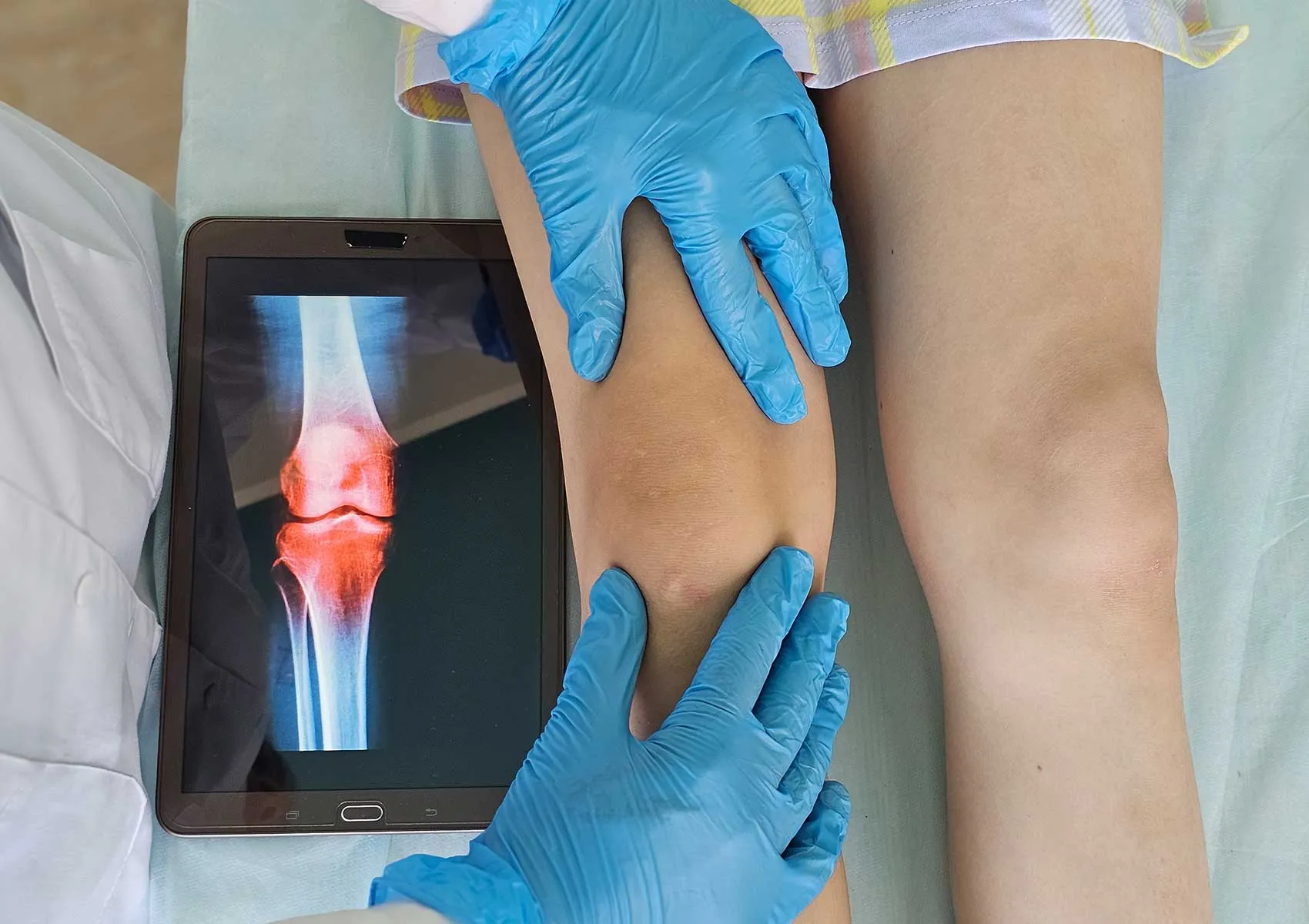
ACL Surgery: Techniques, Grafts, and Recovery Guide
ACL surgery involves repairing or reconstructing the torn ligament to restore knee stability.
The anterior cruciate ligament (ACL) is one of the key structures providing stability to the knee joint. Injuries to the ACL, especially common among athletes and physically active individuals, can significantly impair knee function. ACL surgery refers to the surgical repair or reconstruction of a torn or non-functioning ligament. This intervention is crucial for restoring the knee’s mobility and preventing further damage to structures like the meniscus and cartilage.
This procedure aims to correct knee instability and help patients return to active lifestyles. With advancements in medical technology and the field of sports injuries and treatment, ACL surgeries achieve high success rates. This guide provides an overview of surgical techniques, graft options used, and the recovery process based on current scientific evidence.
What is the Anterior Cruciate Ligament? Anatomy and Functions
The knee joint is formed by the femur (thigh bone), tibia (shin bone), and patella (kneecap). Four main ligaments hold these bones together and ensure joint stability. The ACL is located in the center of the knee and prevents the tibia from sliding forward relative to the femur. It also stabilizes rotational movement of the knee.
Understanding the knee’s anatomy and ligament structure is essential to grasp the mechanics of injury.
When the ACL is damaged, patients often experience a sensation of looseness or instability in the knee. This affects performance particularly during sports requiring sudden stops or changes in direction.
ACL Injury and Symptoms
ACL injuries frequently occur without direct contact, usually due to sudden deceleration, pivoting, or awkward landings. At the moment of injury, patients may hear a “pop” from the knee. This is followed by rapid swelling, intense pain, and restricted movement.
Symptoms vary between individuals, but knee instability is the most common complaint. For further details, visit the ACL injury and treatment page. Diagnosis is commonly established via physical examination and Magnetic Resonance Imaging (MRI).
What is ACL Surgery? When is it Necessary?
ACL surgery involves replacing the torn ligament with a new graft (reconstruction). Direct repair by stitching the torn ligament ends is rarely possible or reliable, making reconstruction the standard treatment.
The decision to operate depends on the patient’s age, activity level, and degree of knee instability. Surgery is preferred especially for active individuals wishing to return to sports, those experiencing instability or rotational symptoms, and patients with associated meniscal tears. For less active, older patients with minimal instability, conservative treatment and physiotherapy may be sufficient.
Surgical Techniques: Arthroscopic Approaches
Currently, ACL surgeries are mostly performed arthroscopically, a minimally invasive technique where the joint is accessed through small incisions using a camera and surgical instruments. Arthroscopic surgical techniques minimize damage to surrounding tissues, reduce postoperative pain, and expedite recovery.
Through arthroscopy, the surgeon visualizes the joint on a high-resolution monitor, removes damaged ligament remnants, and prepares bone tunnels. The graft is then placed in these tunnels and fixed with specialized fixation devices such as screws or buttons.
Graft Options: Autograft and Allograft Comparison
The graft used for ACL reconstruction can be sourced either from the patient’s own tissue (autograft) or from a donor (allograft). Common autografts include hamstring tendons, patellar tendon, and quadriceps tendon.
Graft selection is personalized based on the surgeon’s experience, patient’s anatomy, and expectations. Autografts are generally preferred in young, active patients, while allografts may be used in revision surgeries or multi-ligament injuries.
Surgery Process: Preparation, Procedure, and Early Postoperative Days
Before surgery, the patient’s overall health is evaluated and anesthesia is prepared. The operation usually takes 1–2 hours under general or spinal anesthesia.
More technical details can be found in the knee arthroscopy surgery process resource. Postoperatively, patients typically stay hospitalized for one night. Initial care involves pain management, application of ice, and elevating the leg.
Postoperative Rehabilitation and Exercise Program
Surgery is only half the treatment; a structured rehabilitation program is essential for success. Post-ACL surgery rehabilitation focuses on restoring range of motion, building muscle strength, and regaining neuromuscular control.
Rehabilitation usually begins the day after surgery. The early phase emphasizes edema control and passive range of motion exercises.
Return to Sport: Timing and Considerations
Returning to sport depends on biological healing and functional capacity recovery. Light running can often start between months 3 and 4, whereas contact sports may require 6 to 9, sometimes up to 12 months. Decisions about returning to sport after ACL surgery must consider not only time but also results of muscle strength and functional tests. Premature return increases the risk of graft failure due to incomplete biological incorporation.
Risks, Complications, and Prevention
Like any surgery, ACL reconstruction carries risks such as infection, vascular or nerve injury, joint stiffness, and graft failure (re-rupture). Minimizing these risks depends on both surgical technique and awareness of common exercise errors in athletes. Working closely with a physiotherapist and avoiding risk factors like smoking can positively influence recovery.
Alternative Surgical and Supportive Treatments
In some cases, additional procedures may be required, especially when cartilage damage or limb alignment issues are present. Corrective osteotomy surgery adjusts load distribution over the joint. Furthermore, biological therapies such as PRP and stem cell treatments are used to support healing by promoting tissue regeneration and reducing inflammation.
Conclusion
ACL surgery, combined with careful patient selection, meticulous surgical technique, and comprehensive rehabilitation, improves quality of life and enables return to sport. For detailed information and personalized assessment, consultation with a specialist is recommended.
This content is provided for informational purposes only and contains general medical information. Diagnosis and treatment must be determined by a healthcare professional following a clinical examination. The information presented here does not substitute professional medical advice, diagnosis, or treatment. If you have any health concerns, please consult a qualified healthcare provider without delay.
FAQ
-
What is anterior cruciate ligament (ACL) surgery and when is it needed?
ACL surgery involves repairing or reconstructing the torn ligament in the knee. It is typically recommended after complete tears caused by sports injuries or when knee instability occurs. A specialist should be consulted for a definitive diagnosis and treatment plan.
-
What graft options are available for the surgery?
Commonly, grafts used in ACL surgery come from the patient’s own body (autograft), such as the patellar tendon, hamstring tendon, or quadriceps tendon. Occasionally, donor grafts (allografts) may also be used. Your surgeon will determine the most suitable graft for your case.
-
How long does ACL surgery take and what is the recovery process like?
The surgery usually lasts 1 to 2 hours. Recovery times vary between individuals, with full functional recovery and return to sports typically taking 6 to 12 months. Physical therapy plays a crucial role throughout this period.
-
Why is rehabilitation important after surgery?
Postoperative rehabilitation is essential for restoring knee range of motion, strengthening muscles, and stabilizing the joint. Consistent and proper exercises are key to successful recovery and preventing future injuries. It is recommended to perform rehabilitation under the guidance of a physical therapist.
-
What are the risks and success rates of ACL surgery?
Like any surgical procedure, ACL surgery carries potential risks such as infection, bleeding, numbness, or graft failure. Success rates are generally high but depend on factors like age, activity level, and adherence to rehabilitation. Discuss risks and expectations thoroughly with your doctor.