
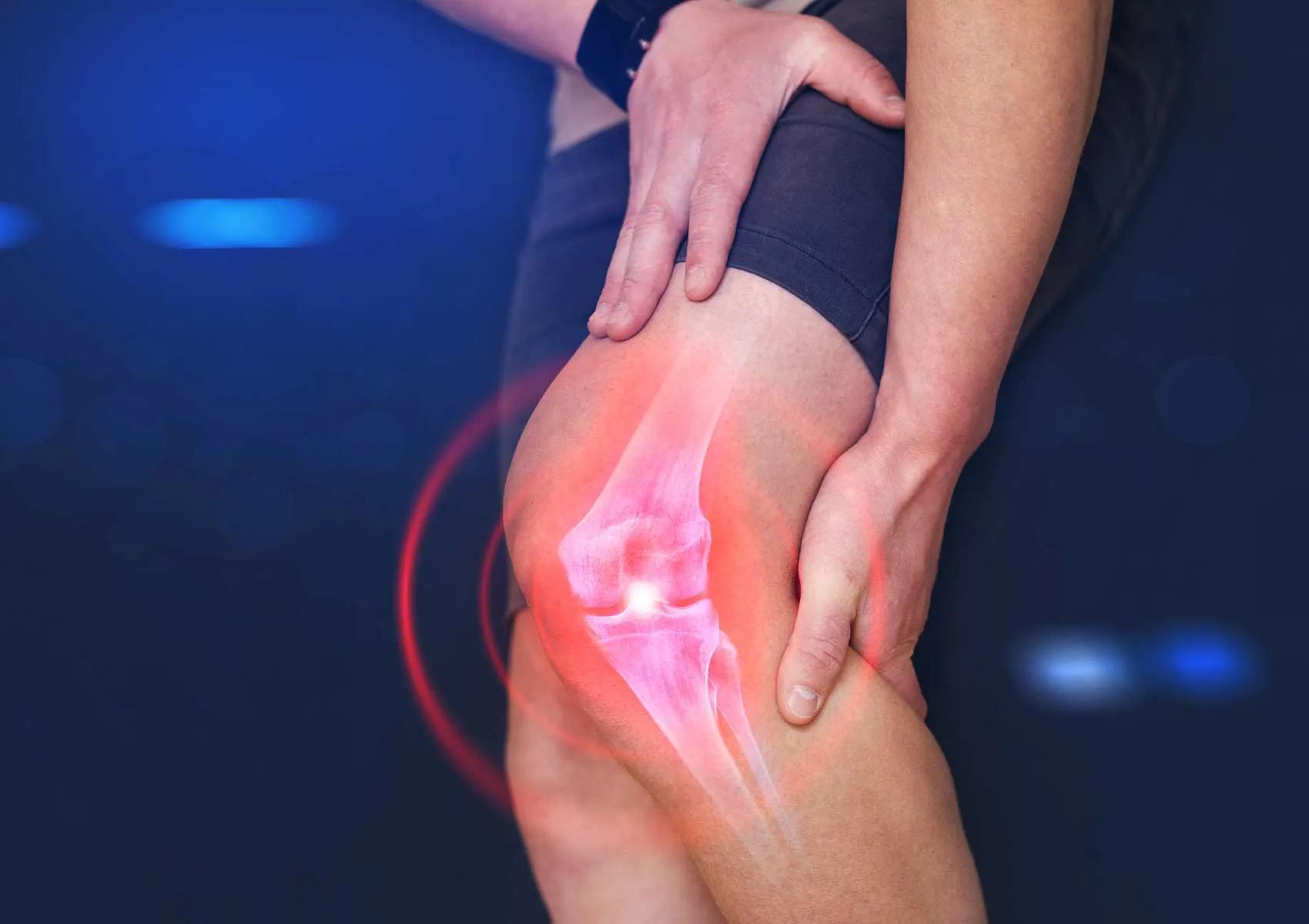
Meniscus Tear Treatment: Surgery or Repair?
Meniscus tear treatment is a personalized approach planned according to the type of tear and the patient's activity level.
Meniscus tears are among the most common knee joint injuries encountered. They can occur abruptly due to trauma in athletes or develop progressively in older adults because of tissue degeneration. When planning meniscus tear treatment, the patient’s age, activity level, and tear characteristics play a decisive role.
Treatment options are typically divided into surgical and non-surgical methods. When surgery is indicated, patients generally face two main paths: repair of the meniscus or removal of the damaged part. This article examines the advantages, disadvantages, and long-term effects of both approaches based on scientific evidence.
What Is a Meniscus Tear?
The meniscus is a C-shaped cartilage located between the thigh bone (femur) and shin bone (tibia). It plays vital roles in load bearing, shock absorption, and maintaining joint stability.
Each knee has two menisci—medial (inner) and lateral (outer). These structures improve the congruence between joint surfaces, preventing cartilage wear. Therefore, disruption of the meniscus integrity directly affects overall knee health.
Types and Causes of Meniscus Tears
Meniscus tears are classified as traumatic or degenerative based on how they occur. Traumatic tears typically happen in young, active individuals during twisting motions in sports, while degenerative tears prevail in older age groups due to gradual tissue wear.
For detailed information, visit our sports injuries and meniscus treatment page.
Bucket-handle tears can cause the meniscus to become trapped within the joint, leading to locking of the knee and often requiring urgent surgical intervention.
How Is a Meniscus Tear Diagnosed?
Diagnosis begins with a thorough physical examination and patient history. The physician evaluates knee tenderness, range of motion, and specific meniscus tests (McMurray, Apley, etc.).
Magnetic Resonance Imaging (MRI) is the gold standard for definitive diagnosis and detailed mapping of tears. MRI clearly visualizes the meniscus interior, tear extent, and any concurrent ligament or cartilage injuries. In some cases, diagnostic arthroscopy may be used for both diagnosis and treatment.
Treatment Options: Repair or Removal?
The primary treatment goal for meniscus tears is to “save the meniscus.” However, not every tear is suitable for repair. Decision-making must carefully consider whether meniscus surgery is necessary.
There are two fundamental surgical approaches: meniscus repair and meniscectomy (removal). These options are among the most critical decisions affecting the patient’s future knee health, detailed at Meniscus tear treatment methods. Frequently, anterior cruciate ligament (ACL) injuries also accompany meniscus tears, which may influence the treatment plan, as explained in ACL injuries and treatment options.
Meniscus Repair
Meniscus repair involves stitching the torn pieces using specialized suture materials or implants. The goal is to preserve meniscus tissue and maintain its function. Tears in the vascularized “red-red zone” have a higher healing potential.
Advanced surgical techniques, such as meniscus root repair surgery, are performed when the meniscus detaches from its bony attachment, preserving the knee’s biomechanics.
Meniscus Removal (Meniscectomy)
When the tear is irreparable, fragmented, or located in a non-vascular area, removing the damaged part may be necessary. This procedure, called partial meniscectomy, aims to relieve pain and locking while preserving as much healthy meniscus tissue as possible.
Comparative Evaluation
Recovery after repair takes longer and may require a period of limited weight-bearing. However, it reduces the risk of osteoarthritis over time. In meniscectomy, return to sports is faster but the decreased meniscus volume increases load on the joint.
Rehabilitation and Recovery Process
Postoperative success depends as much on rehabilitation as on surgical technique. The rehabilitation program for sports injuries is tailored to the specific procedure undergone.
Biological therapies supporting recovery, such as PRP treatment and healing time, are considered part of the rehabilitation process.
The Importance of Joint-Preserving Surgery
The meniscus acts as the knee’s “shock absorber.” Loss of this tissue increases stress on joint cartilage, leading to early-onset osteoarthritis. In advanced cases, criteria for knee replacement surgery may be discussed. Preserving the meniscus essentially protects the knee from future replacement.
Regenerative options such as PRP treatment in sports injuries support this protective approach. The long-term benefits of joint-preserving meniscus surgery are illustrated in the diagram below.
Scientific References and Disclaimer
This article is based on current medical literature and international orthopedic guidelines. Primary scientific sources include:
- World Health Organization (WHO)
- PubMed Central (PMC) - National Institutes of Health
- American Academy of Orthopaedic Surgeons (AAOS)
- Mayo Clinic Patient Care & Health Information
- National Health Service (NHS) UK
These sources set universal standards for diagnosis and treatment protocols in meniscus injuries.
The content provided is for informational purposes only and contains general medical information. Diagnosis and treatment must be determined through consultation with a qualified physician. The information presented here does not substitute for professional medical advice. Always consult a healthcare professional for any health concerns and do not delay seeking necessary medical care.
FAQ
-
What is a meniscus tear and why is it important?
The meniscus is a cartilage structure in the knee joint. A tear can cause pain, swelling, and limited movement. It plays a crucial role in knee health and function, so early diagnosis and appropriate treatment are important. It is always best to consult a specialist for proper evaluation.
-
How is a meniscus tear diagnosed?
Diagnosis of a meniscus tear typically involves a physical examination, assessment of symptoms, and imaging techniques. Magnetic Resonance Imaging (MRI) is the most commonly used method to determine the tear’s type and size. Definitive diagnosis should be made by a medical professional.
-
What are the treatment options for a meniscus tear?
Treatment options for meniscus tears depend on the type, size, location of the tear, as well as the patient’s age and activity level. Non-surgical treatments (rest, ice, physical therapy) or surgical interventions (meniscus repair or removal) are possible. A treatment plan should be guided by a doctor’s recommendation.
-
What is the main difference between meniscus repair and meniscus removal?
Meniscus repair aims to preserve the torn meniscus by sewing it back together, while meniscus removal (meniscectomy) involves removing the damaged part. Repair is generally preferred for long-term knee health since the meniscus plays a key role in cushioning and stabilizing the knee.
-
What is the recovery process like after meniscus surgery?
Recovery varies depending on the type of surgery performed (repair or meniscectomy) and the patient’s overall health. It usually includes physical therapy and rehabilitation. Managing pain, regaining mobility, and strengthening muscles are essential steps. Following your doctor’s advice and physical therapy program closely is critical for successful recovery.