
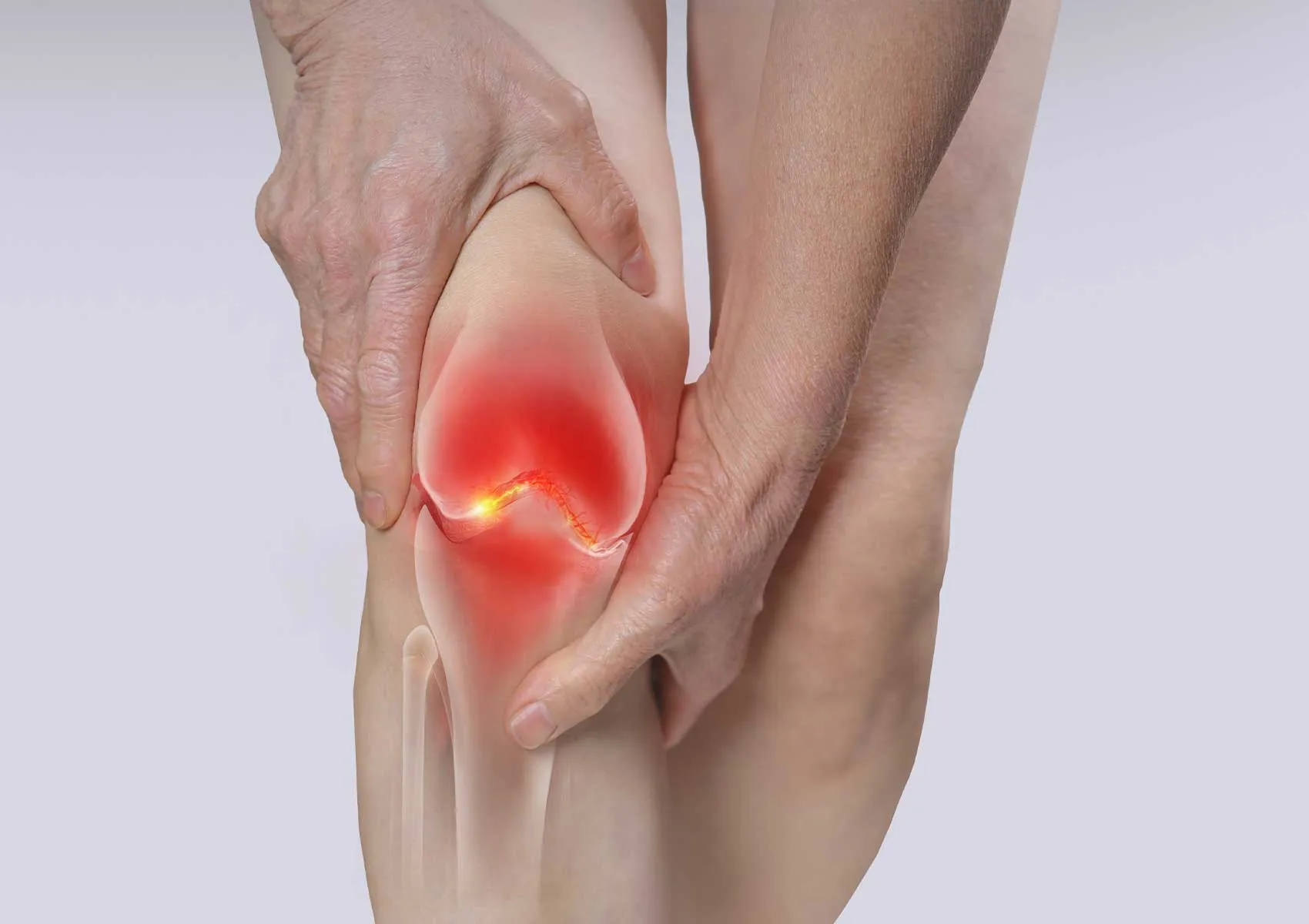
Meniscus Tear Treatment: Comprehensive Guide
Meniscus tear treatment is personalized based on the type and location of the tear, as well as the patient’s activity level.
The knee joint is one of the most complex and load-bearing joints in the human body. Menisci, vital components that safeguard this structure, can be damaged by sudden movements or trauma. Meniscus tear treatment is a critical process that directly impacts the patient’s quality of life and requires precise planning. In this guide, we will cover meniscus anatomy, symptoms, diagnostic procedures, and current treatment modalities in detail.
When determining treatment, factors like tear type, size, and location are crucial. Some tears require surgical intervention, while others can be effectively managed without surgery. Our goal is to provide the most accurate pathway based on scientific evidence.
What Is the Meniscus? Anatomy and Functions
The meniscus is a C-shaped, cartilage-like structure positioned between the thigh bone (femur) and shinbone (tibia) in the knee joint. Each knee has two menisci: medial (inner) and lateral (outer). These structures improve joint congruency by evenly distributing load and protecting the joint cartilage from excessive friction.
Primary functions of the menisci include:
- Load Bearing and Shock Absorption: They absorb the stresses placed on the knee joint by the body's weight.
- Joint Stability: Menisci help maintain the stability of the knee joint and prevent excessive sliding.
- Joint Lubrication: They assist in the distribution of joint fluid, ensuring smooth movement.
What Is a Meniscus Tear and How Does It Occur?
A meniscus tear is a disruption in the structural integrity of the meniscal tissue. These injuries commonly arise from two main mechanisms: traumatic and degenerative.
Traumatic Tears: These often occur in athletes or active individuals. They can result from sudden twisting motions with the knee fixed, abrupt stops, or direct blows to the knee. Sports like soccer, basketball, and skiing frequently see such injuries.
Degenerative Tears: With aging, the meniscal tissue loses water content and weakens. Tears may occur from simple activities like squatting or standing from a chair, especially in middle-aged or older adults.
Symptoms of a Meniscus Tear
Symptoms vary based on the tear’s type and severity. Small tears might initially cause mild pain, while larger tears can significantly limit knee movement.
Common symptoms include:
- Pain: Increases with movement or weight-bearing on the knee.
- Swelling: Develops within 24-48 hours after the injury.
- Locking and Catching: Meniscus fragments may trap inside the joint, preventing normal movement.
- Restricted Range of Motion: Difficulty fully bending or straightening the knee.
- Instability: A feeling of the knee giving way unexpectedly.
How Is a Meniscus Tear Diagnosed?
An accurate diagnosis is essential for appropriate treatment planning. It typically begins with a thorough physical examination. The physician evaluates tenderness, joint mobility, and conducts specific meniscus tests such as the McMurray test.
Imaging studies are used to confirm and precisely locate the tear:
- Magnetic Resonance Imaging (MRI): The most effective technique for visualizing soft tissues like the meniscus. It details the tear type, severity, and any associated injuries (e.g., ligament damage).
- X-ray: While it does not show the meniscus, it helps exclude bone abnormalities or osteoarthritis.
Types of Meniscus Tears
Meniscus tears are classified by their shape and location, which is critical for choosing the treatment method (repair vs. meniscectomy).
Common tear types include:
- Longitudinal Tears: Tears running along the length of the meniscus.
- Bucket-Handle Tear: A displaced longitudinal tear that traps inside the joint, usually requiring surgery.
- Radial Tears: Tears extending from the inner edge outward.
- Horizontal Tears: Divide the meniscus into upper and lower layers.
- Complex Tears: A combination of multiple tear types.
Non-Surgical Treatment Options for Meniscus Tears
Not all meniscus tears require surgery. Small tears located in the outer, well-vascularized area (red zone) and degenerative tears can often heal with conservative approaches. Learn more about meniscus tears to better understand treatment options.
Conservative treatment usually includes:
1. Rest and Activity Modification: Avoid movements that put strain on the knee.
2. Cold Therapy (Ice): Applied several times daily to reduce swelling and pain.
3. Medications: Non-steroidal anti-inflammatory drugs (NSAIDs) to manage pain and inflammation.
4. Physical Therapy: Strengthening muscles around the knee to reduce joint load.
5. Biological Treatments: Procedures like PRP therapy for sports injuries may enhance healing.
When Is Surgery Needed for a Meniscus Tear?
Surgical intervention is considered based on age, activity level, tear type, and symptom severity. Surgery is often recommended when:
- The knee locks or experiences mechanical catching.
- Symptoms persist despite conservative treatment.
- The tear is in a poorly vascularized area (white zone) causing mechanical problems.
- Accelerated return to sports is required for active athletes.
For more on when surgery is essential, see our article on meniscus surgery indications.
Meniscus Surgery: Procedure, Techniques, and Recovery
Meniscus surgery is commonly performed using arthroscopy, a minimally invasive method. This technique allows quicker recovery. Details about the knee arthroscopy procedure are available on our site.
Two main surgical approaches exist:
1. Meniscectomy: Removal of non-repairable torn meniscus fragments, primarily in poorly vascularized regions.
2. Meniscus Repair: Suturing tears in well-vascularized areas to preserve meniscus tissue, critical for long-term joint health.
If cartilage injuries accompany meniscus damage, arthroscopic cartilage repair can be done concurrently.
Rehabilitation and Exercises After a Meniscus Tear
Rehabilitation is a key factor in successful treatment outcomes. Whether treated surgically or conservatively, the rehabilitation process for sports injuries focuses on restoring muscle strength and joint mobility.
Rehabilitation phases include:
- Early Phase: Edema control and passive range-of-motion exercises.
- Mid Phase: Muscle strengthening and balance training.
- Late Phase: Sport-specific movements and full return to activity.
Patients receiving biological treatments such as PRP often inquire about the onset of therapy effects. When does PRP treatment take effect? This information can influence rehabilitation pacing.
Risk Factors and Prevention of Meniscus Tears
While complete prevention is not always feasible, understanding risk factors and taking precautions can reduce injury likelihood. Conditions requiring anterior cruciate ligament (ACL) injury and treatment often destabilize the knee, increasing meniscus tear risk.
Meniscus tear treatment is a process that, when approached with accurate diagnosis and expert care, yields successful results. Prompt attention to symptoms and consulting a specialist are essential to protect knee health and maintain an active lifestyle.
This content is provided for informational purposes only and does not constitute professional medical advice, diagnosis, or treatment. Always consult your physician or a qualified healthcare professional with any questions you may have regarding your health. Do not delay seeking medical care based on the information provided on this site.
FAQ
-
What is a meniscus tear and how does it happen?
The meniscus is a C-shaped cartilage in the knee joint that can tear due to trauma or sudden twisting motions. Tears cause pain, swelling, and limited movement. Consult an orthopedic specialist for accurate diagnosis and treatment.
-
What are the symptoms of a meniscus tear?
Common symptoms include knee pain, swelling, catching, locking, and restricted motion. Symptoms vary by tear severity and often worsen when climbing stairs or squatting.
-
Can meniscus tears be treated without surgery?
Yes, some tears heal with rest, ice, physical therapy, and pain management. The treatment depends on tear type, size, location, and patient activity level.
-
When is meniscus surgery necessary?
Surgery is typically recommended if conservative treatment fails, or if the knee locks, catches mechanically, or if the tear is large. Your doctor will evaluate whether surgery is appropriate.
-
How long does the recovery from a meniscus tear take?
Recovery time depends on the tear type and treatment. Return to sports may take 4-6 weeks after meniscectomy, and 3-6 months after meniscus repair.