
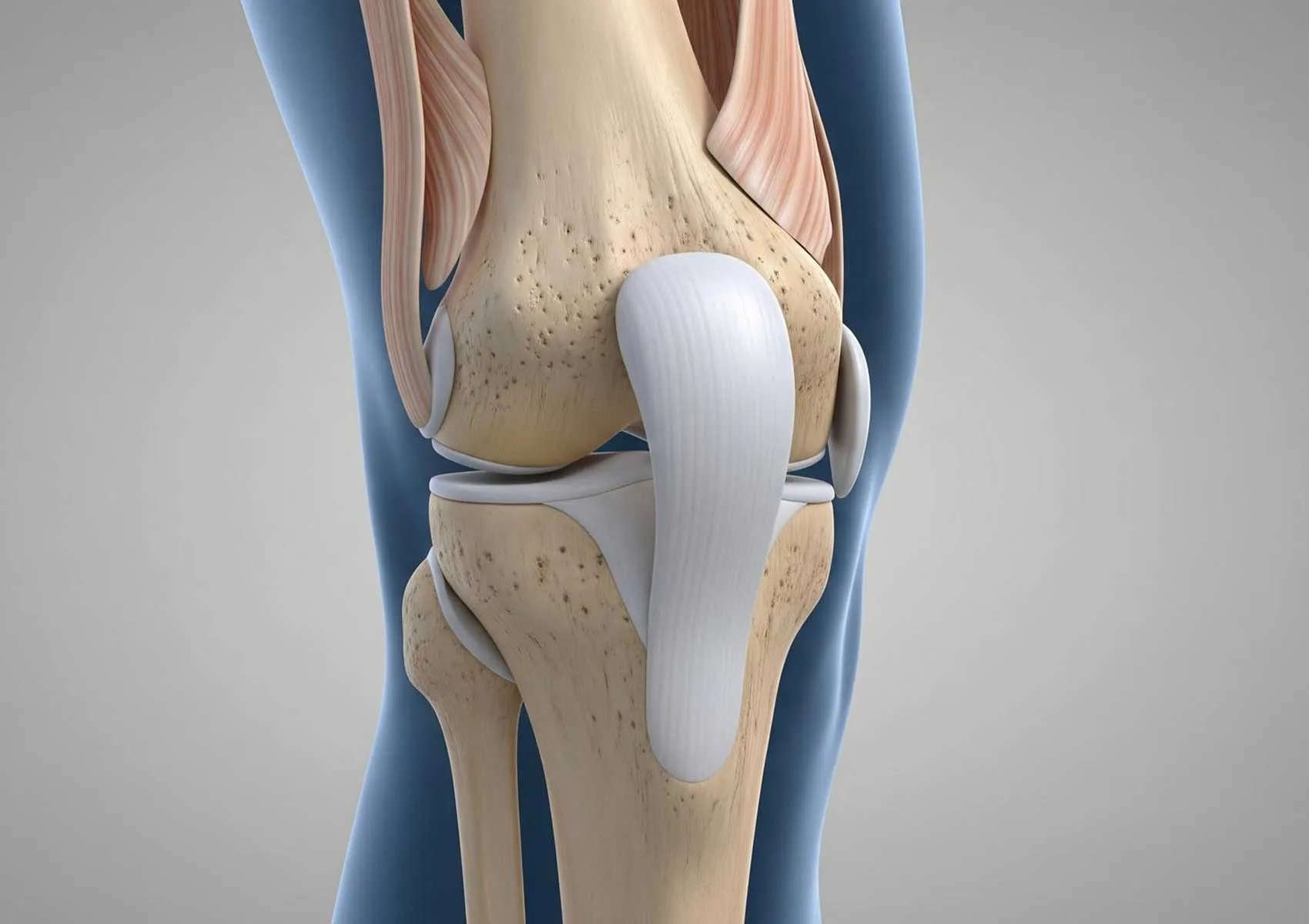
Guide to Returning to Sports After ACL Surgery
Return to sports after anterior cruciate ligament surgery depends as much on rehabilitation compliance as on surgical success.
Anterior cruciate ligament (ACL) injuries are common, especially among active athletes, and can significantly impact career progression. The primary goal after surgery is to safely regain pre-injury performance levels. Returning to sports after ACL reconstruction depends not only on surgical success but also on a carefully structured, evidence-based rehabilitation process. This process requires complete biological healing and restoration of neuromuscular control.
When deciding to return to sports, it is essential to evaluate objective criteria such as knee functional capacity, muscle strength, and balance, not just time elapsed. Current approaches in arthroscopic surgery and athlete rehabilitation highlight that premature decisions increase the risk of re-injury. This guide presents a scientific roadmap for athletes and active individuals during the postoperative phase.
Overview of the Rehabilitation Process
Rehabilitation following ACL surgery is a dynamic, personalized plan rather than a fixed standard protocol. The aims are to restore joint range of motion, build muscle strength, and develop sport-specific skills. This process begins once the ACL injury and treatment phase is completed and continues until a safe return to sports.
Successful outcomes require close cooperation between physiotherapists and physicians throughout the sports injury rehabilitation process. Awareness of common exercise mistakes and prevention in athletes helps avoid complications that can hinder recovery.
Early Phase (0-6 Weeks)
The first six weeks post-surgery mark the critical period for tissue healing and knee protection. The primary goals during this stage are controlling pain and swelling, achieving full knee extension, and reactivating the quadriceps muscle. Passive and assisted active range of motion exercises aim to reach over 90 degrees of knee flexion. Crutches may be used until muscle control is adequate.
Middle Phase (6-12 Weeks)
As healing progresses, full weight-bearing is gradually introduced along with strengthening exercises. Closed kinetic chain exercises such as squats and leg presses focus on improving leg muscle strength, while balance and proprioception (joint position sense) training begins.
Late Phase (3-6 Months)
This phase integrates running and sport-specific drills. The progression starts with straight-line running followed by drills involving directional changes, jumping, and sudden stops. The goal is to enhance functional capacity and refine neuromuscular control. Athletes begin controlled sports-like movements within a monitored environment.
Return-to-Sport Criteria
Timing the return to sports should not be based solely on postoperative timeframes (e.g., 6 or 9 months). Current research emphasizes the importance of objective testing results and functional capacity. Additional conditions such as cartilage disorders and treatments may also influence the timeline.
Clinical and Functional Criteria
The clinical evaluation prioritizes the absence of pain and swelling (effusion) in the knee. Full range of motion symmetric with the healthy leg is expected. Isokinetic muscle strength testing targets at least 90% strength in quadriceps and hamstrings compared to the uninjured leg (Limb Symmetry Index - LSI > 90%).
Field Testing and Performance Assessments
In addition to clinical criteria, dynamic field tests assess the athlete’s ability to safely perform functional movements. Tests such as the single-leg hop, Y-balance test, and agility drills are commonly used.
Risks and Compliance Analysis
Rushing the return to sports or disregarding rehabilitation guidelines after ACL surgery involves significant risks. The most serious among these is graft rupture (re-tear) or injuring the opposite knee. Weak muscle strength and impaired movement mechanics increase joint loads, raising the chance of meniscal and cartilage damage.
Strict adherence to sports injury treatment and rehabilitation protocols minimizes these risks. Furthermore, predisposing factors such as hip joint disorders and treatment options or malalignment issues may require additional interventions like osteotomy surgery and rehab. Psychological readiness — absence of kinesiophobia (fear of movement) — is also a critical factor for successful return.
Scientific References
This guide references sources including the American Academy of Orthopaedic Surgeons (AAOS), British Journal of Sports Medicine (BJSM), and FIFA Medical guidelines.
This content is provided for general informational purposes only and does not replace professional medical advice, diagnosis, or treatment. The recovery timeline for returning to sports after anterior cruciate ligament surgery may vary for each individual. For any health-related questions and rehabilitation planning, please consult a qualified physician or physical therapist. Do not delay seeking professional medical care based on this information.
FAQ
-
When can I start running after ACL surgery?
Typically, controlled running programs can begin 3-4 months post-surgery with approval from your doctor and physiotherapist. This depends on individual healing speed, muscle strength, and successful completion of rehab stages. Starting running without expert clearance carries risks.
-
What are the criteria for returning to sports?
Return-to-sport decisions are based on absence of knee pain and swelling, full range of motion, sufficient muscle strength (at least 85-90% compared to the healthy leg), successful balance tests, and passing sport-specific performance assessments.
-
How long does ACL rehabilitation take?
ACL rehabilitation generally lasts between 6 to 12 months. However, complete recovery and safe return to sports vary per individual depending on surgical technique, age, activity level, and adherence to the rehab program.
-
What are the risks of returning to sports too early?
Early return to sports significantly increases the risk of new injury, graft re-rupture, cartilage damage, and chronic knee pain. Returning before full healing and neuromuscular control is established can jeopardize long-term athletic career.
-
Should I wear a knee brace during sports after surgery?
Opinions on knee brace use after surgery vary. Some experts recommend protective braces, especially in contact sports. Others suggest that once adequate muscle strength is achieved, braces may not be necessary. Consult your doctor for personalized advice.