
Arthroscopic Hip Labrum Tear Surgery: What to Know
Arthroscopic hip labrum repair surgery is a minimally invasive procedure aimed at repairing damage to the hip joint.
The hip joint is one of the most mobile and load-bearing joints in the body. One of the critical structures that provide stability to this joint is the labrum, which can be damaged due to trauma or structural abnormalities. Arthroscopic hip labrum tear surgery is a contemporary treatment option that repairs such damage using minimally invasive techniques. It plays an important role in managing hip pain, especially in active individuals and athletes. Compared to open surgery, this procedure involves smaller incisions aimed at accelerating tissue healing.
What Is a Hip Labrum Tear?
The labrum is a cartilage-like, ring-shaped structure surrounding the socket (acetabulum) of the hip joint. It helps keep the head of the femur stable within the socket and contributes to the sealing mechanism that supports cartilage nutrition by maintaining joint fluid containment. A labrum tear is a disruption of this ring's integrity.
Labrum tears cause pain and, if left untreated, may lead to cartilage wear and early-stage osteoarthritis. This condition is a significant aspect within the broader category of hip joint disorders and requires accurate diagnosis.
Causes and Risk Factors
Hip labrum tears can result from a single cause or a combination of factors. Common causes include structural bone deformities, acute injuries, and repetitive strain movements.
Femoroacetabular impingement (FAI) is one of the most common causes. Shape abnormalities in the hip bones can cause the labrum to become pinched and eventually tear during movement. For detailed treatment options, visit the femoroacetabular impingement treatment page. Sports that heavily stress the hip joint—such as soccer, ice hockey, ballet, and golf—also increase risk.
Symptoms of a Labrum Tear
Symptoms vary by individual. While some patients may be asymptomatic, most experience sharp pain in the groin or deep within the hip. This pain usually worsens after prolonged sitting, walking, or during sports activities.
Other common symptoms include:
- Clicking, locking, or catching sensations in the hip joint.
- Restricted range of motion and decreased flexibility.
- Night pain and discomfort when lying on the affected side.
- Weakness in the leg.
Treatment Options for Hip Labrum Tears
Treatment depends on patient age, symptom severity, and the tear’s characteristics. Conservative (non-surgical) treatment is typically the first step. Rest, anti-inflammatory medications, and physical therapy help relieve pain and strengthen the muscles around the joint.
Biological therapies may also support tissue healing during non-surgical treatment. For instance, the scientific basis of PRP therapy and its applications might be considered as an adjunctive option by the treating physician. However, patients who do not respond to conservative measures, experience mechanical symptoms, or have significant structural damage may require surgery.
How Is Arthroscopic Surgery Performed?
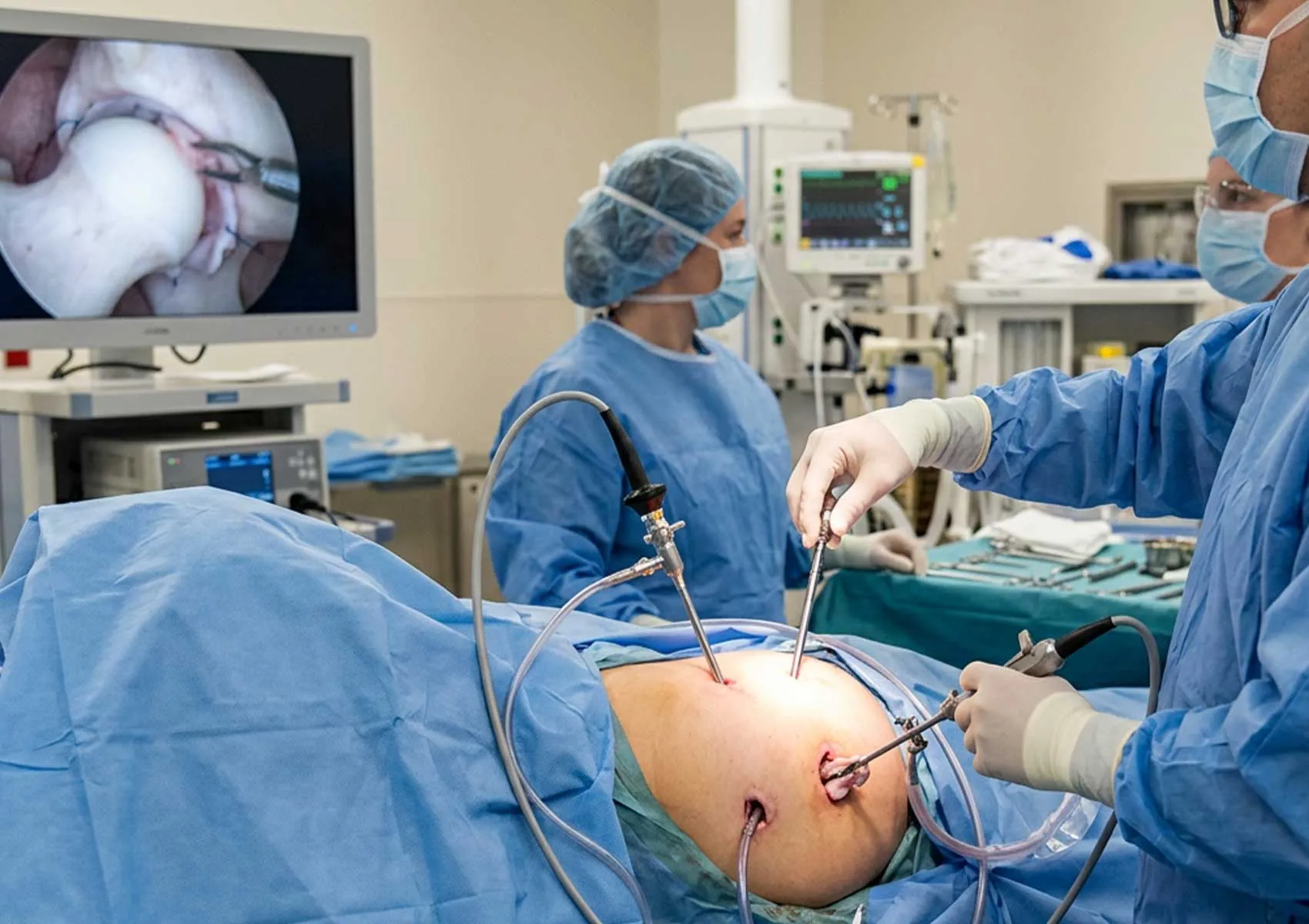
Arthroscopic hip labrum tear surgery is a minimally invasive procedure performed using advanced cameras and surgical instruments. Patients are typically under general or spinal anesthesia, with several small incisions of about 1 cm made around the hip joint.
During surgery, the surgeon visualizes the inside of the joint and assesses the labrum. Depending on the tear, repair (suturing) or debridement (cleaning) is performed. If an underlying bone impingement is present, bone shaving may also be done during the same session to prevent recurrence. More detailed information is available on the hip arthroscopy procedure page.
Potential Risks of the Surgery
As with any surgery, hip arthroscopy carries potential risks, though these are rare. Risks include infection, bleeding, nerve injury, and anesthesia-related complications. Temporary numbness due to traction applied to the leg during surgery may also occur.
Post-operative pain management is crucial for patient comfort. Strategies for managing pain after arthroscopic surgery can facilitate smoother recovery. Specialists take all necessary precautions to minimize risks and keep patients well-informed throughout the process.
Recovery and Rehabilitation
Recovery varies according to the extent of surgery and individual biological factors. Use of crutches and movement restrictions might be necessary during the first weeks after surgery.
Successful rehabilitation depends heavily on adherence to the physiotherapy program. Initially, passive movements are used to maintain joint mobility, followed by progressive muscle strengthening exercises in subsequent weeks. Detailed protocols are available in the post-arthroscopic surgery rehabilitation guidelines.
Full return to sports typically takes between 4 and 6 months. Following principles for rehabilitation in sports injuries is essential to reduce the risk of reinjury during this period.
When Is Surgery Necessary?
The decision to proceed with surgery involves more than MRI findings; it includes clinical symptoms, physical exam results, and the impact on quality of life. Surgery is a strong option for patients whose pain limits daily activities and who have not benefited from non-surgical treatments.
Avoiding common misconceptions is important during decision-making. Awareness of myths and facts about joint-preserving surgeries helps patients make informed choices. Arthroscopic hip labrum tear surgery can provide effective pain relief and functional restoration in properly selected cases.
This content is for informational purposes only and does not constitute professional medical advice, diagnosis, or treatment. Always consult your doctor or a qualified healthcare professional with any questions you may have regarding your health. Do not disregard or delay seeking professional medical advice based on the information provided on this website.
FAQ
-
What is arthroscopic hip labrum tear surgery and how is it performed?
This minimally invasive surgery involves small incisions to access the hip joint and either repair the torn labrum or remove damaged tissue. It is done using a camera and specialized surgical instruments. Be sure to consult a specialist for detailed information.
-
How long does the surgery take and what type of anesthesia is used?
The duration of the surgery depends on the complexity of the tear but typically lasts between 1 to 2 hours. General or spinal anesthesia is commonly used. The choice of anesthesia should be discussed and decided with your doctor.
-
What is the recovery process like after the surgery?
Managing pain, undergoing physical therapy, and gradually increasing activity levels are important after surgery. Crutches may be needed for several weeks, and full recovery can take several months. Recovery times can vary between individuals.
-
What are the potential risks and complications of the surgery?
As with any surgery, risks include infection, bleeding, nerve damage, blood clots, and rarely, reactions to anesthesia. It is important to get detailed information about these risks from your doctor.
-
When can I return to full activity after the surgery?
The time to return to full activity depends on the extent of the surgery, the healing progress, and adherence to physical therapy. Returning to high-impact activities like sports usually takes 4 to 6 months or longer. This process should be guided by your doctor and physical therapist.