
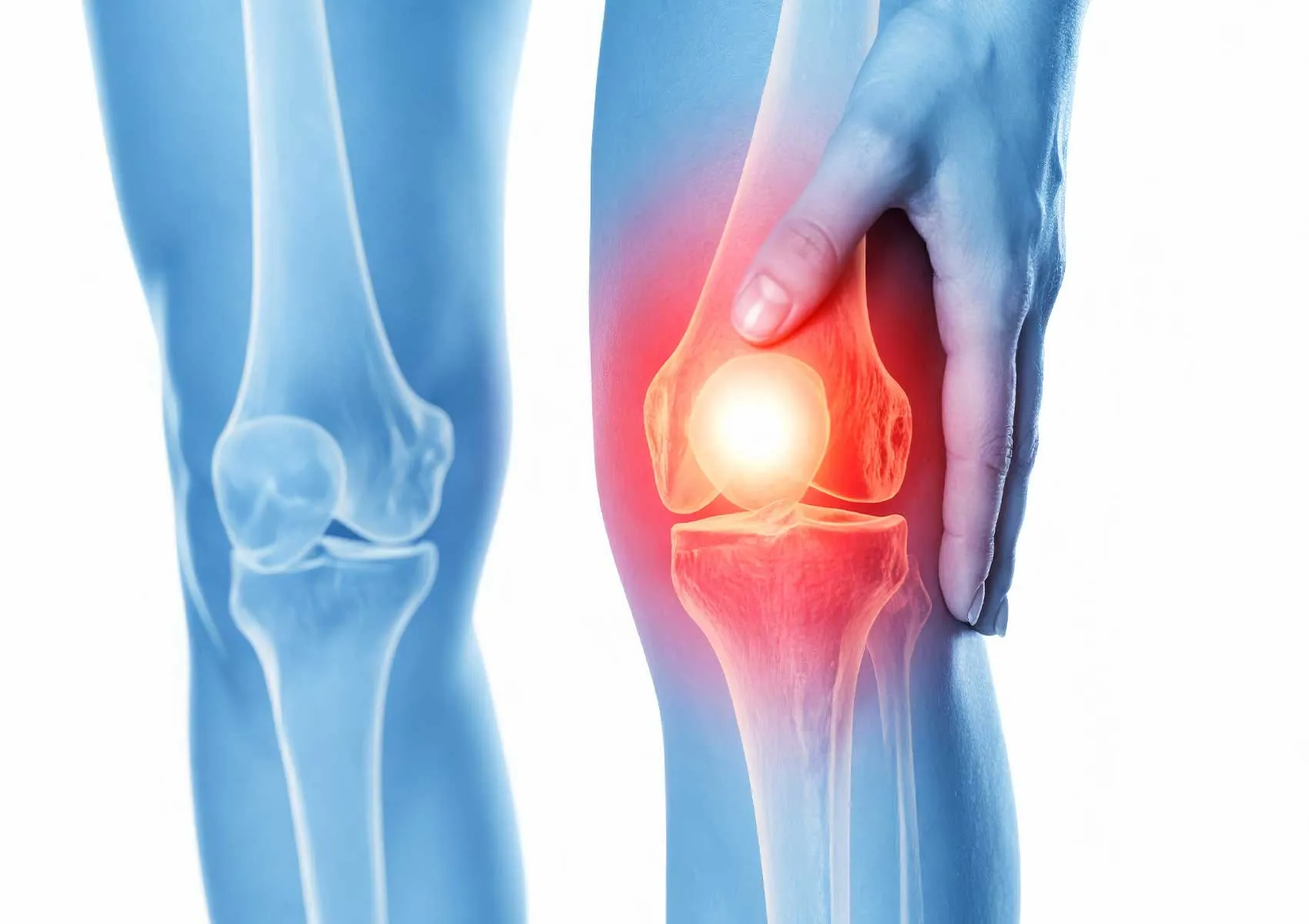
Meniscus Tear Treatment: Surgery and Recovery Process
Treatment for a meniscus tear is determined by the type and location of the tear, as well as the patient’s activity level.
The knee joint is among the most complex and load-bearing joints in the body. Its health is vital for mobility. Meniscus tear treatment is a common topic in managing knee injuries and requires careful planning. Meniscus tears can affect a wide range of people, from athletes to individuals active in daily life, and if left untreated, they may lower quality of life and cause permanent joint damage.
Treatment is shaped by the tear’s characteristics and the patient’s expectations. In some cases, non-surgical methods suffice; however, mechanical symptoms like locking may necessitate surgery. This article reviews the diagnosis, treatment options, surgical procedures, and recovery in light of current scientific evidence.
What is a Meniscus Tear?
Menisci are C-shaped cartilage structures located between the thigh bone (femur) and shin bone (tibia) in the knee joint. Each knee has two menisci, medial and lateral. Their main functions include absorbing joint load, improving joint congruity, and reducing friction.
Meniscus tears often result from sudden twisting motions, trauma, or degenerative changes with age. The tear’s shape and location directly influence the treatment strategy. For example, tears in the well-vascularized "red zone" have healing potential, whereas tears in the avascular "white zone" usually do not heal spontaneously.
Symptoms and Diagnosis of Meniscus Tears
Patients typically experience sudden knee pain or a popping sensation at the moment of injury. Degenerative tears may develop symptoms gradually. Common signs include:
- Pain and tenderness in the knee joint
- Swelling (usually within 24 hours post-injury)
- Restricted knee movement
- Locking or catching sensation
- Feeling of instability in the knee
Diagnosis begins with a detailed physical exam. The physician assesses the menisci using special maneuvers like the McMurray test. Magnetic Resonance Imaging (MRI) is the gold standard for confirming diagnosis and detailing tear characteristics. X-rays may be used to assess bone structure and exclude fractures.
Treatment Options for Meniscus Tears
There is no one-size-fits-all in meniscus tear treatment. Patient age, activity level, tear type, and symptom severity are key factors. Broadly, treatment divides into conservative (non-surgical) and surgical approaches. For more detailed information, visit the meniscus tear treatment page.
Meniscal injuries can also occur alongside ligament injuries. In cases where an anterior cruciate ligament reconstruction is needed, meniscus procedures may be performed during the same operation.
Conservative (Non-Surgical) Treatments
Small, stable tears in well-vascularized areas, or patients with high surgical risk due to advanced age, may initially be managed non-surgically. Key aspects include:
- Rest and Activity Modification: Reduce loading on the knee and avoid movements that trigger pain.
- Cold Therapy (Ice): Apply ice packs for 15-20 minutes several times daily to reduce swelling and pain.
- Compression and Elevation: Use elastic bandages and elevate the knee above heart level.
- Medication: Nonsteroidal anti-inflammatory drugs (NSAIDs) help control pain and swelling.
- Physical Therapy: Strengthening muscles around the knee decreases joint load.
Meniscus Repair vs Meniscectomy Decisions
When surgery is required, two main approaches exist: repairing the meniscus or removing the torn section (meniscectomy). The decision depends largely on the potential for healing. The physician’s assessment is crucial and can be reviewed on the when is meniscus surgery necessary? page.
In special cases like meniscus root tears, advanced surgical techniques such as meniscus root repair may be performed to preserve joint mechanics.
Arthroscopic Meniscus Surgery (Minimally Invasive Surgery)
Currently, meniscus surgeries are typically performed arthroscopically. This involves making small incisions about 0.5 cm in size in the knee joint. Through one incision, a camera (arthroscope) is introduced to visualize inside the joint, and through another, surgical instruments are used.
Arthroscopic surgery results in less tissue damage, reduced pain, and faster recovery compared to open surgery. Detailed information on the knee arthroscopy surgical process can help patients prepare and alleviate concerns.
Postoperative Recovery and Rehabilitation
Rehabilitation following a successful surgery is essential and directly affects outcome. Recovery time varies according to the procedure performed. Patients generally return to daily life more quickly after meniscectomy, whereas meniscus repair requires a period of restricted loading to allow healing.
Rehabilitation principles used in sports injury recovery focus on restoring joint range of motion and muscle strength. Particularly, strengthening muscles around the knee is vital to reduce load on the meniscus.
The postoperative care checklist below summarizes important precautions to reduce infection risk and support healing.
Risk Factors and Prevention of Meniscus Tears
While not all meniscus tears can be prevented, risk factors can be minimized. Age, obesity, weak musculature, and high-risk sports (soccer, basketball, skiing) increase tear likelihood.
Awareness of knee injury risks in athletes helps in taking protective measures. Regular exercise, proper warm-up routines, use of appropriate sports equipment, and weight control are fundamental for meniscus health.
This content is intended for general informational purposes only and does not constitute medical advice. Diagnosis and treatment must be planned by a qualified healthcare professional based on the individual patient's condition. Please consult a healthcare provider for any health concerns. The information provided on this site is not a substitute for professional medical examination or care. Do not delay seeking medical attention based on the content presented here.
FAQ
-
What is a meniscus tear and what are its symptoms?
A meniscus tear is a rupture in the cartilage of the knee joint, typically presenting with pain, swelling, and sometimes locking of the knee. The severity of symptoms depends on the size and type of the tear.
-
What treatment methods are used for a meniscus tear?
Treatment for a meniscus tear varies based on the type, location, size of the tear, and the patient's age and activity level. Options include rest, physical therapy, medications, and surgery (repair or meniscectomy).
-
What is the recovery process after meniscus surgery?
Recovery after meniscus surgery depends on the procedure performed (repair or meniscectomy). It usually involves several weeks of physical therapy and rehabilitation. Full recovery and return to sports vary based on individual factors.
-
What are the advantages of arthroscopic meniscus surgery?
Arthroscopic meniscus surgery involves small incisions, leading to less pain, faster recovery, and a lower risk of infection. This method can repair the tear or remove the torn segment.
-
What should be considered after meniscus surgery?
After surgery, it is important to follow your doctor's advice, complete the physical therapy program without interruption, and avoid putting excessive strain on the knee. Consult your doctor if you experience pain, swelling, or redness. This information is general; consult a specialist for personalized advice.