
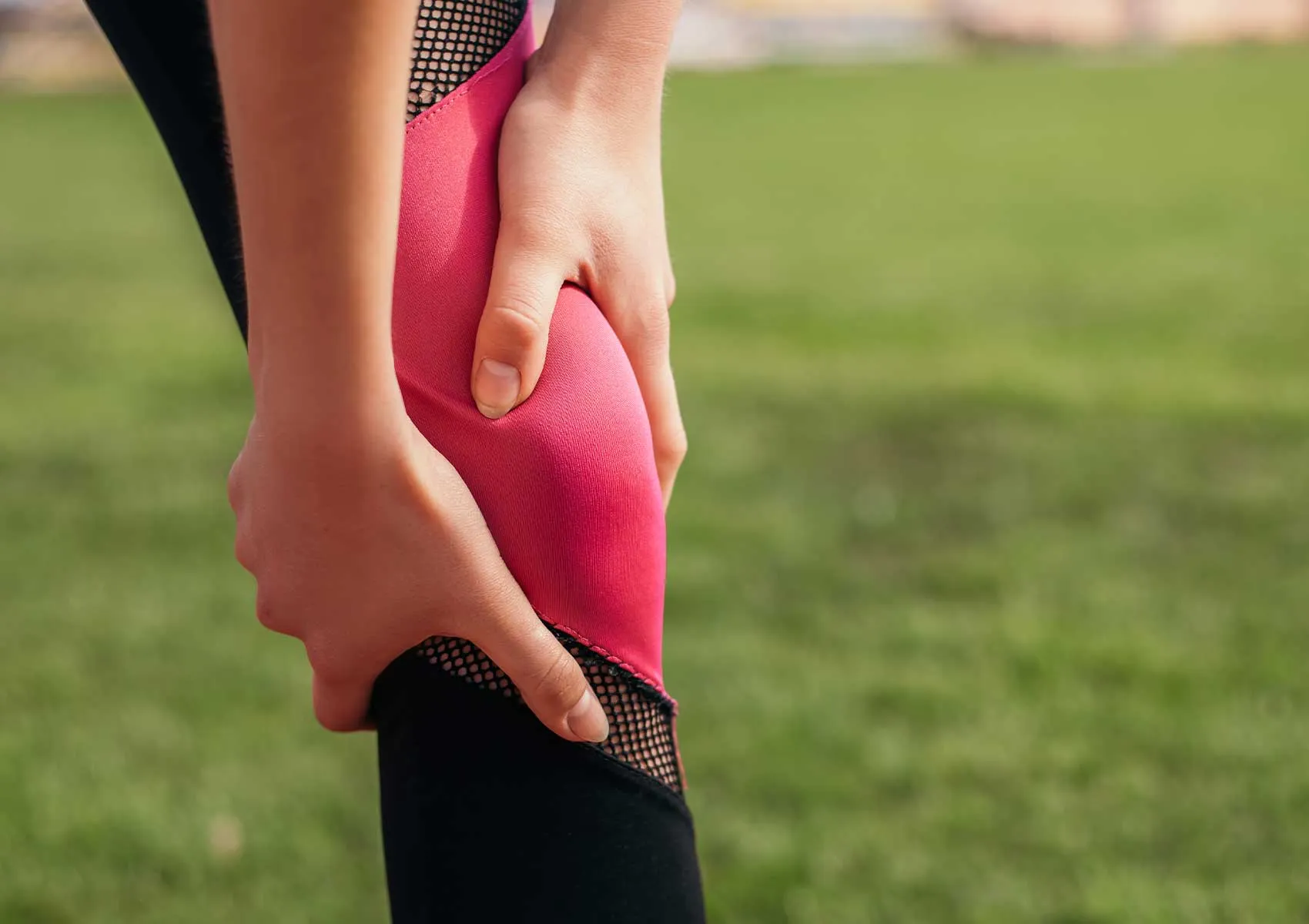
Knee Twist Injuries in Sports: First Aid, Symptoms, and Diagnosis
Knee twisting injuries in sports are serious conditions resulting from sudden changes in direction or trauma that can cause ligament damage.
Knee twists during sports are acute injuries commonly encountered in high-intensity activities such as football, basketball, and skiing. This injury occurs due to sudden rotational forces that exceed the anatomical limits of the knee joint, potentially causing significant concern among athletes. When a knee twist in sports happens, the ligaments, menisci, or cartilage inside the joint may sustain damage.
Immediate and appropriate care directly influences the healing process. Conscious first aid steps taken in the initial minutes can prevent worsening tissue damage and help manage pain. This article details the causes, symptoms, emergency care, and professional diagnostic processes related to knee twists.
What Is a Knee Twist in Sports?
A knee twist in sports refers to a traumatic event where the knee bends or rotates excessively, usually while the foot is fixed on the ground. This often leads to injuries such as anterior cruciate ligament (ACL) tears, meniscal tears, or collateral ligament strains. The severity depends on the force applied and the knee’s position during injury.
How Does a Knee Twist Occur?
The knee joint, a complex structure supported by ligaments between the femur (thigh bone) and tibia (shin bone), is vulnerable to twisting forces. The diagram below illustrates the anatomical structure of the knee and the location of its ligaments.
Knee twists commonly happen during pivot movements. When the foot is planted and the body rotates in the opposite direction, excessive torque stresses the knee. Unstable landings after jumping or direct blows to the knee can also cause such injuries. According to the American Academy of Orthopaedic Surgeons (AAOS), these injuries are more frequent in contact sports but can also occur during sudden stops without contact.
What Are the Risk Factors?
Various factors increase the risk of knee injuries in athletes. Insufficient muscle strength, poor proprioception (balance awareness), inadequate surface conditions, and improper equipment use contribute to higher risk. Anatomical predispositions also play a significant role. For example, understanding risk factors and prevention strategies for knee injuries in athletes is useful for developing preventive approaches.
In some cases, hip joint pathologies affect knee mechanics, increasing injury risk. Therefore, femoroacetabular impingement and related conditions in sports injuries should also be considered.
Symptoms After a Knee Twist
Symptoms following a knee twist vary depending on the tissue damaged and the extent of injury, but some common acute signs indicate the seriousness of the condition. Early evaluation of post-twist knee joint problems is vital to avoid permanent damage.
Pain, Swelling, and Bruising
The most common immediate symptom is a sharp and intense pain felt at the injury moment, often preventing continuation of activity. Significant swelling typically develops within the first 1-2 hours, caused by internal bleeding (hemarthrosis) or edema.
Limited Movement and Instability Sensation
Individuals with a twisted knee may experience limited ability to fully bend or straighten the knee (locking). Locking is common with meniscal tears. Additionally, the feeling that the knee is unstable or “giving way” when walking is a typical sign of ligament injury.
First Aid: The RICE Protocol
Applying the RICE protocol within the first 24-48 hours after acute knee injury is essential to accelerate healing and reduce complications. First aid for knee twists and injuries in sports should follow internationally recognized RICE principles.
Rest
Immediately stop activity after injury. Weight-bearing on the injured knee can worsen tissue damage. Use crutches if possible to reduce load on the joint.
Ice Application
To reduce swelling and pain, apply ice wrapped in a towel to avoid skin damage. Recommended intervals are 15–20 minutes every 2–3 hours. More detailed guidance on first aid after knee twist injuries is available in the referenced guide.
Compression
Elastic bandages help control swelling. Ensure that the bandage is not too tight to restrict blood flow. Loosen the bandage if numbness or tingling occurs.
Elevation
Keep the knee elevated above heart level to reduce edema via gravity. Use a pillow under the knee while resting. Experts at the Mayo Clinic particularly recommend this method during sleep.
When to See a Doctor?
Not all knee twists require emergency surgery, but certain signs demand prompt specialist evaluation.
Immediate consultation with an orthopedic specialist is advised if there is inability to bear weight, visible deformity of the knee, or unbearable pain.
Diagnostic Process and Examination Methods
Effective treatment planning depends on accurate diagnosis. When a patient presents with a knee twist in sports, the physician first listens to the injury mechanism and performs a detailed examination.
Physical Examination
An orthopedic specialist assesses swelling, tenderness, and range of motion. Special maneuvers such as Lachman test, Anterior Drawer test, or McMurray test help evaluate the integrity of ligaments and menisci, providing valuable diagnostic clues.
Imaging Methods
X-rays are requested to rule out bone fractures and support physical findings. However, MRI is the gold standard for detailed visualization of soft tissues, including ligaments, menisci, and cartilage. In cases requiring surgery, patients are informed about the arthroscopic knee surgery process and procedure and the treatment plan is tailored accordingly.
Recovery and Supportive Treatments
After diagnosis, treatment is planned based on injury severity, patient's age, and activity level. Options include conservative (non-surgical) approaches or surgical intervention.
Physiotherapy and Rehabilitation
The most critical component of recovery is physiotherapy and rehabilitation. Customized exercise programs aim to restore muscle strength, improve joint mobility, and enhance balance. If cartilage damage exists, post-knee twist cartilage injury treatment in sports must be carefully managed for long-term joint health.
Supportive Treatments (e.g., PRP)
Biological treatments such as platelet-rich plasma (PRP) injections may support tissue healing in select cases. Scientific basis of PRP treatment for sports knee twists can be integrated into the treatment protocol when appropriate. However, the effectiveness of these therapies varies depending on each case.
In conclusion, knee twists in sports are injuries that require serious attention. Early diagnosis, appropriate first aid, and well-planned treatment enable athletes to return to their previous performance levels.
This content is provided for general informational purposes only and does not substitute professional medical advice, diagnosis, or treatment. If you have any health concerns or questions, you should consult a qualified healthcare professional or medical facility. The information contained in this article may not be applicable to your individual situation and does not replace the guidance of your physician. Do not delay seeking medical care based on the information provided herein.
FAQ
-
What is a knee twist in sports and why does it occur?
A knee twist in sports is a trauma caused by unexpected bending or twisting of the knee joint. It usually happens during sudden changes in direction, falls, or impacts, potentially damaging ligaments or menisci. Consulting a specialist doctor is important.
-
What symptoms occur after a knee twist?
Immediately after a knee twist, common symptoms include pain, swelling, bruising, limited movement, and feelings of instability or “giving way.” Some may also report a popping sound from the knee. If you experience any of these symptoms, seek medical attention promptly.
-
How should first aid be administered after a knee twist?
First aid for a knee twist follows the RICE protocol: Rest, Ice application, Compression, and Elevation. Painkillers may be used but only under medical advice. Always consult a healthcare professional.
-
When should you see a doctor after a knee twist?
Seek immediate medical care if you experience severe pain, inability to bear weight, significant swelling, obvious deformity, or locking of the knee. Early diagnosis and treatment are crucial to prevent permanent damage. Formal diagnosis requires examination by a specialist.
-
How does the recovery process after a knee twist proceed?
Recovery varies depending on injury severity. Mild sprains may heal within weeks, while ligament or meniscal tears might require surgery and a longer rehabilitation period. It is essential to follow your doctor’s instructions and physiotherapy regimen carefully.