
Cartilage Stem Cell Therapy: A Treatment for Knee Pain?
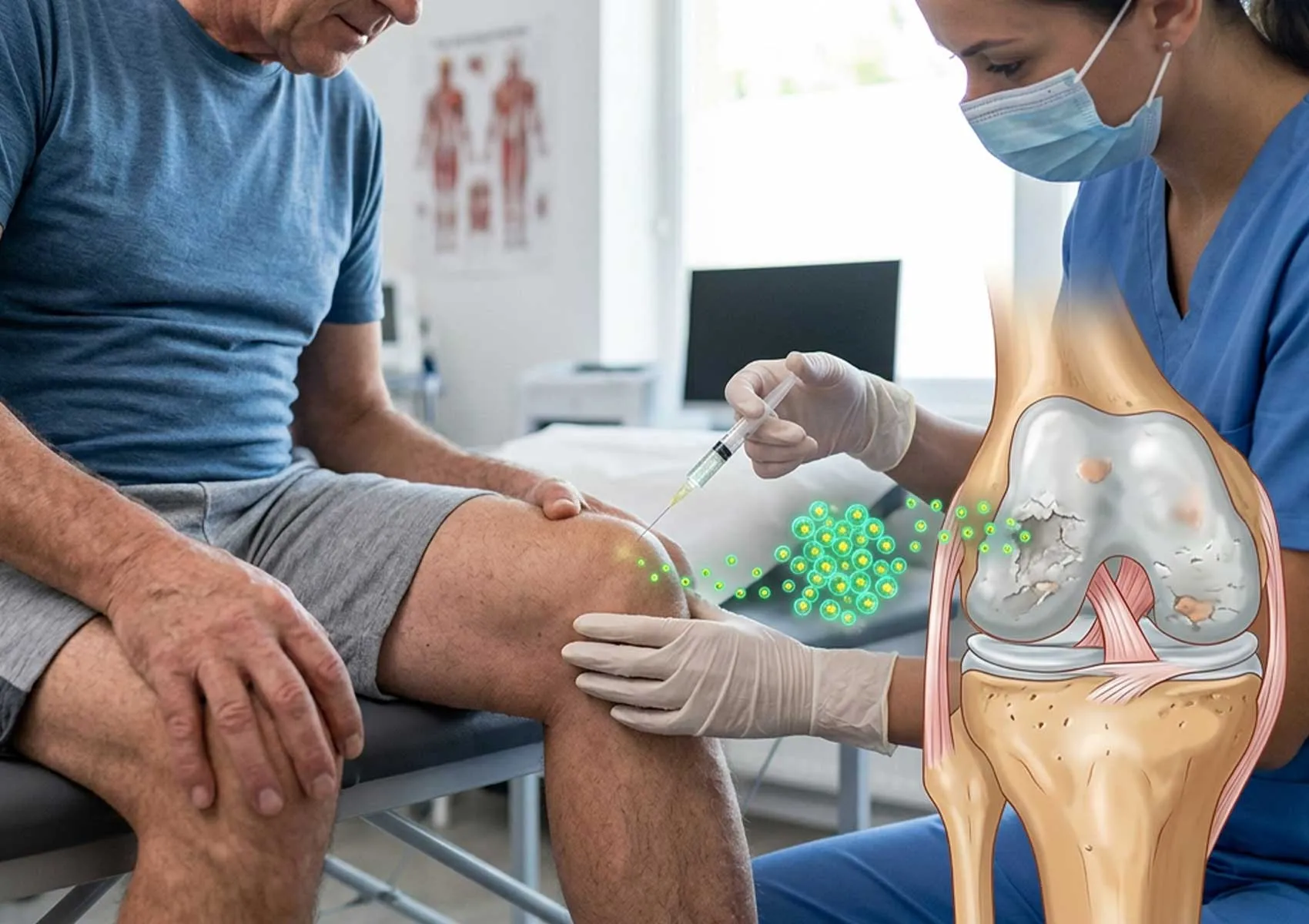
Cartilage stem cell therapy aims to support the healing of damaged joint tissues by using the body's own regenerative cells.
Joint pain and limited mobility have become some of the most common health issues in modern life. Wear and tear, especially in the knee and hip joints, can significantly affect patients’ quality of life. Alongside traditional treatment methods, advances in regenerative medicine have brought biological approaches like cartilage stem cell therapy to the forefront. This technique seeks to harness the body’s inherent healing potential to repair damaged tissues.
Cartilage tissue has a very limited ability to self-repair due to its avascular nature. This is a key challenge in treating cartilage injuries. Stem cell therapies, developed as alternatives or adjuncts to surgery, rely on harvesting the patient’s own cells to support tissue repair. This article examines what cartilage stem cell therapy is, how it is performed, and in which cases it may be considered, supported by scientific evidence.
Structure and Function of Cartilage
The integrity of cartilage tissue is vital for healthy joint function. This smooth and flexible tissue covers joint surfaces, preventing bone friction and allowing pain-free, fluid movement. When examining hip joint anatomy and knee structure, the magnitude of mechanical stress on cartilage becomes clearer.
Cartilage acts as a shock absorber, distributing load across the joint. However, factors such as aging, trauma, or overuse can damage this tissue, compromising joint health. Since cartilage is nourished by diffusion from synovial fluid, its capacity to heal after injury is very limited.
Causes of Joint Cartilage Damage
Cartilage damage usually results from either acute trauma or chronic degenerative processes. Sports injuries, falls, and vehicle accidents can cause focal cartilage defects. Among cartilage disorders, osteoarthritis is the most common, marked by gradual thinning and loss of cartilage over time.
Hip labral tears or structural abnormalities in the hip joint may also trigger cartilage damage. Conditions requiring femoroacetabular impingement treatment involve abnormal bone contact that mechanically wears down cartilage surfaces. Such mechanical factors can accelerate cartilage deterioration.
What is Cartilage Stem Cell Therapy?
Cartilage stem cell therapy is a biological treatment aimed at repairing damaged cartilage or slowing degeneration. The mesenchymal stem cells used in this treatment have the ability to differentiate into various tissue types and secrete healing factors. Stem cell application in cartilage repair can provide an option for patients who are not candidates for surgery or seek non-surgical alternatives.
Scientific research indicates that stem cells can suppress inflammation in the damaged area and release growth factors that promote tissue repair. Studies published by authorities such as NCBI and the Mayo Clinic highlight the potential benefits of this treatment in symptom relief and functional improvement.
How is Stem Cell Therapy Performed?
The treatment process typically begins with harvesting cells from the patient’s own body. The most common sources are bone marrow or adipose tissue. As one of the cell-based therapies that support healing using the body's own regenerative capacity, the procedure is performed under sterile surgical conditions.
The procedure generally includes the following steps:
1. Cell Collection: Tissue is aspirated from the pelvic bone (bone marrow) or abdominal area (fat tissue).
2. Preparation: The harvested tissue is processed in specialized centrifuge devices to obtain a concentrate rich in stem cells.
3. Injection: The stem cell concentrate is injected into the damaged joint area under ultrasound or fluoroscopic guidance.
Recovery Process and Important Considerations
Recovery after cartilage stem cell therapy varies depending on the patient’s age, extent of damage, and the joint treated. The procedure is typically outpatient, allowing patients to be discharged the same day. However, it is important to remember that tissue repair is a biological process requiring time.
Mild pain and swelling at the injection site may occur in the first few days. Patients should avoid excessive joint loading for a specified period and comply with prescribed physical therapy exercises, which are critical to treatment success. Full therapeutic effects may take weeks to months to manifest.
Differences Between Stem Cell and PRP Therapy
Stem cell therapy and PRP (Platelet Rich Plasma) treatment are often confused but operate via different mechanisms. Both are non-surgical joint therapies but contain different cellular components.
PRP contains plasma rich in platelets that release growth factors stimulating repair, whereas stem cell therapy uses living cells with the potential to regenerate damaged tissues. Stem cell treatment is generally preferred in more advanced damage or when a stronger regenerative effect is desired.
Who is a Suitable Candidate?
Cartilage stem cell therapy is not suitable for every patient. Ideal candidates typically include:
- Individuals with early to moderate osteoarthritis.
- Patients with localized cartilage defects.
- Active athletes with cartilage damage combined with meniscus or ligament injuries.
- Younger patients or those at high risk for surgical complications.
Patients with advanced osteoarthritis and complete joint space loss (bone-on-bone contact) might have limited benefit from this treatment. Therefore, patient selection must be based on thorough evaluation by an orthopedic specialist.
Risks and Limitations
As with any medical procedure, cartilage stem cell therapy carries potential risks and limitations. Since the treatment uses the patient’s own cells, allergic reactions are extremely rare. However, risks such as infection, bleeding, or temporary increased pain at the injection site can occasionally occur.
Results vary among individuals. While studies show promising outcomes, this treatment does not guarantee a "definitive cure" or "miraculous recovery." Effectiveness depends closely on the extent of damage, overall health, and adherence to rehabilitation.
Conclusion and Information Note
Cartilage stem cell therapy is an increasingly utilized, non-surgical biological option in orthopedics and traumatology. It may help reduce pain, improve joint function, and preserve cartilage tissue in knee and hip problems. However, accurate diagnosis and patient selection are crucial for success. Always consult a specialist to determine the most appropriate treatment for your joint pain and issues.
This content is provided for informational purposes only and does not substitute professional medical advice, diagnosis, or treatment. Always consult your physician or a qualified healthcare professional regarding any health concerns. Do not delay seeking medical care or disregard medical advice based on the information provided on this site. Diagnosis and treatment should be personalized following a thorough examination by a healthcare provider.
FAQ
-
What is cartilage stem cell therapy?
Cartilage stem cell therapy is a biological treatment that uses a patient's own stem cells to repair or regenerate damaged joint cartilage. It is usually performed through minimally invasive procedures and supports tissue healing.
-
Who is this treatment suitable for?
This therapy is suitable for certain patients with cartilage damage in joints such as the knee or hip, early stages of osteoarthritis, and sports injuries. Suitability should be evaluated by a specialist.
-
How is stem cell therapy administered and what is the recovery process like?
The treatment typically involves harvesting stem cells from the patient's bone marrow or fat tissue, preparing them in a lab, and injecting them into the damaged joint. Recovery varies by individual but often includes physical therapy and rehabilitation. Results may differ from person to person.
-
Are there any risks or side effects of cartilage stem cell therapy?
As with any medical procedure, there are potential risks and side effects, including infection, pain, swelling, or bruising at the injection site. It is important to discuss all risks in detail with your doctor before treatment.
-
What is the difference between PRP therapy and stem cell therapy?
PRP (Platelet-Rich Plasma) therapy concentrates healing factors from your blood to promote tissue repair, while stem cell therapy uses stem cells directly to repair or regenerate damaged tissue. Both are biological treatments but work through different mechanisms and may be recommended for different conditions. Your doctor will determine which treatment is most appropriate for you.