
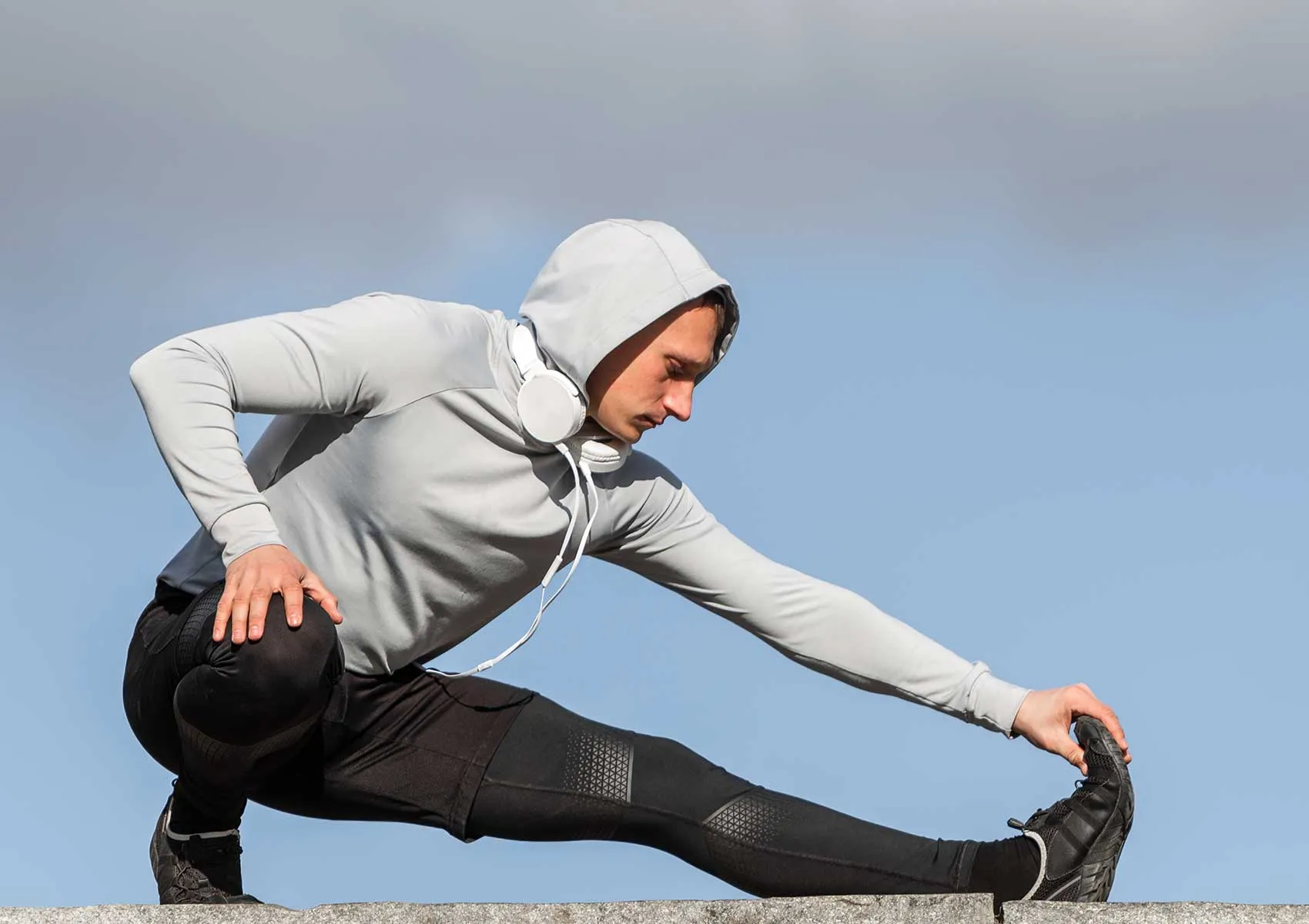
Common Exercise Mistakes Among Athletes
Common exercise errors made by athletes during training can lead to decreased performance and injuries. This article thoroughly examines frequent mistakes among athletes and ways to prevent them.
Exercise and sports are essential for a healthy lifestyle; however, performing movements incorrectly can cause serious problems, especially for athletes. Mistakes made during exercise can result in performance loss, pain, and severe injuries. Therefore, it is crucial to apply conscious and correct exercise techniques.
Exercise mistakes often arise from inexperience, rushing through routines, or misinformation. Common errors among athletes include skipping warm-up and cool-down routines, improper movement form, overtraining, and insufficient rest. Each of these carries specific risks, particularly from orthopedic and traumatology perspectives.
Neglecting warm-up and cool-down exercises causes muscles, ligaments, and joints to not be properly prepared for training. This especially sets the stage for muscle and tendon injuries. Warm-up is a critical process aimed at increasing muscle elasticity and ensuring joint mobility. Hence, every athlete should allocate at least 10 to 15 minutes for warm-up before training.
Incorrect movement form is one of the most prevalent mistakes among athletes. Especially during weightlifting, improper knee alignment, posture of the back and spine can cause excessive strain on the knees, hips, and spine. Serious orthopedic problems such as femoroacetabular impingement, anterior cruciate ligament injuries, and meniscus tears can emerge due to incorrect form. Therefore, receiving technical training under the supervision of a sports doctor or physiotherapist is highly important.
Overtraining, defined as training beyond an athlete’s capacity, is also a common exercise mistake. Continuous training without adequate rest prevents sufficient recovery, leading to chronic fatigue. Moreover, overloading can cause conditions characterized by cartilage damage and myofascial pain. These conditions can be progressive and may require surgical intervention. Especially for athletes who have suffered sports injuries, controlling training loads is essential to avoid advanced treatments such as prosthetic surgery.
Insufficient nutrition and hydration are additional factors that negatively affect performance. The body needs adequate nutrients during exercise to meet energy demands and repair muscles. Poor or unbalanced nutrition increases the risk of conditions like athletic pubalgia and osteitis pubis. These ailments involve pain in the hip and pelvic region and are commonly associated with prolonged strain.
Proper equipment use during exercise is another crucial consideration. Shoes that fit the feet well and training in disciplines suitable for the surface conditions significantly reduce injuries. For example, using low-support shoes on hard surfaces can predispose athletes to muscle problems like gluteus medius tears.
Finally, psychological and mental preparation should not be overlooked. Lack of concentration, distraction, and motivational issues can lead to technical mistakes during exercise. To prevent erroneous exercises, maintaining high focus during training and seeking professional support when necessary are recommended.
To prevent exercise mistakes among athletes, it is necessary to regularly receive technical training, individualize training programs, and not neglect health check-ups. Early diagnosis and appropriate treatment of injuries are vital for the uninterrupted continuation of a sports career.
A multidisciplinary approach should be adopted when aiming to prevent sports injuries and enhance performance. In collaboration with orthopedic and traumatology specialists, sports physicians, physiotherapists, and nutritionists, the health of athletes can be maximally protected.
FAQ
-
Why should you warm up before exercising?
Warm-up exercises prepare muscles, ligaments, and joints for training. Without warming up, muscle flexibility decreases and the risk of injury increases. Additionally, performance is negatively affected.
-
What can incorrect exercise form lead to?
Incorrect form can cause excessive loading on joints like the knees, hips, and spine, potentially leading to meniscus tears, anterior cruciate ligament injuries, femoroacetabular impingement, and other serious orthopedic problems.
-
What are the harms of overtraining?
Continuous training without enough rest increases muscle fatigue, causes chronic pain, and can lead to cartilage damage. This raises the risk of injury and decreased performance.
-
Why is nutrition important for athletes?
Meeting energy and nutrient needs during exercise is critical for muscle repair and performance. Inadequate nutrition can trigger conditions like athletic pubalgia and osteitis pubis.
-
How can exercise mistakes be prevented?
Regular technical training, correct equipment use, individualized training programs, and health check-ups are essential. Additionally, professional support is beneficial.