
PRP or Physical Therapy? Which Should Be Chosen for Which Condition?
PRP and physical therapy are commonly discussed treatment methods in orthopedics and sports injuries, offering different advantages depending on the clinical scenario. This article explores the differences between PRP and physical therapy and details which treatment is preferable for specific conditions.
PRP (Platelet Rich Plasma) and physical therapy are treatment methods commonly used in orthopedics and traumatology for various muscle, tendon, ligament, and joint problems. However, due to their distinct mechanisms of action and application areas, the choice between them depends on the patient's clinical condition and treatment goals. This article will examine the fundamental characteristics, benefits, and appropriate usage scenarios of PRP and physical therapy based on scientific evidence.
PRP and Physical Therapy: Definitions and Key Differences
PRP therapy involves injecting platelet-rich plasma derived from the patient’s own blood into the damaged area to accelerate tissue repair. Platelets contain biologically active agents such as growth factors and cytokines that promote tissue healing, reduce inflammation, and speed up regeneration. PRP is commonly used in tendinopathies, muscle tears, ligament injuries, cartilage damage, and certain types of arthritis.
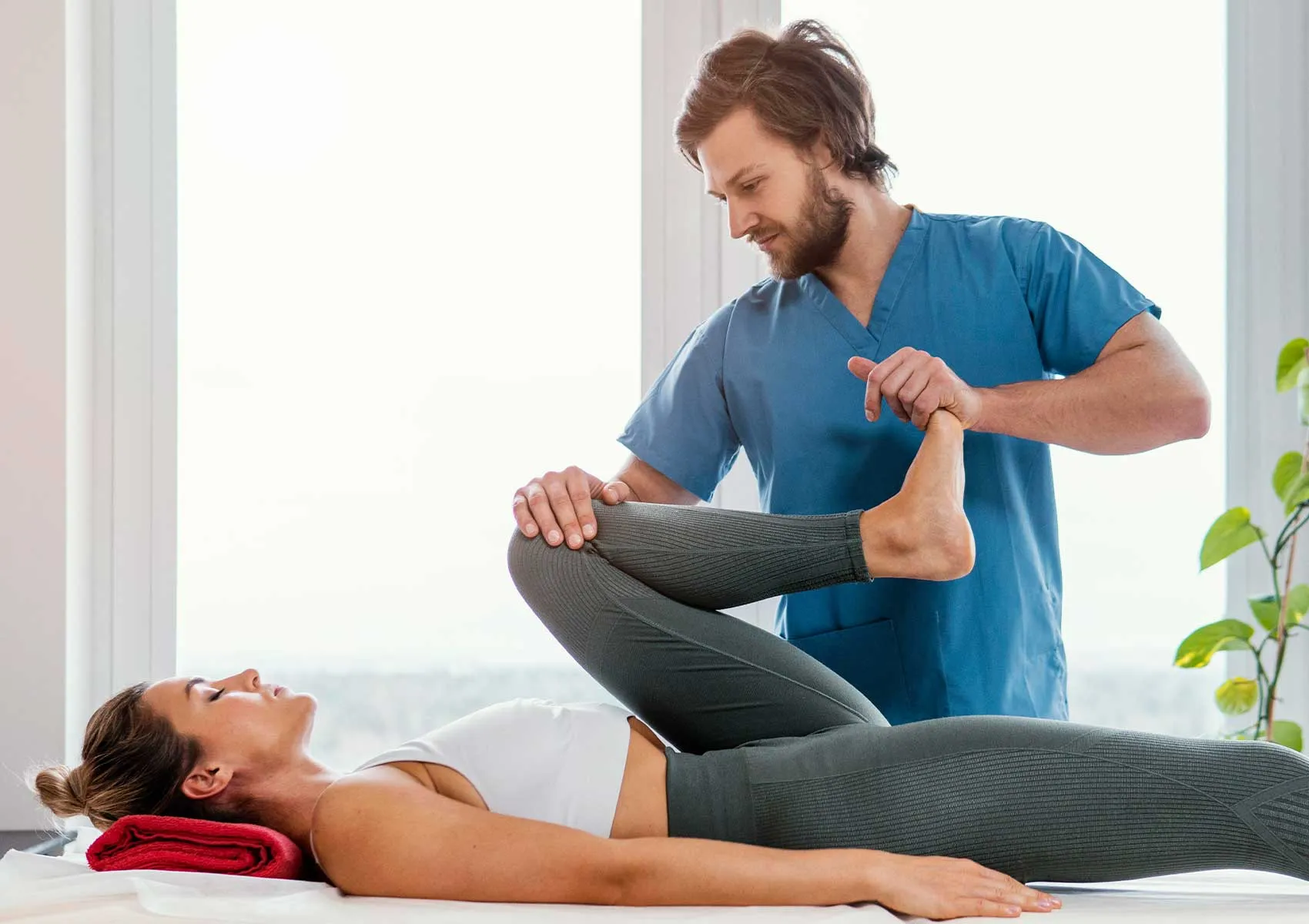
Physical therapy, on the other hand, is a conservative treatment approach that utilizes physical agents such as movement, heat, electrical stimulation, and ultrasound alongside exercise programs to improve functional capacity. It aims to strengthen muscles, increase flexibility, control pain, and enhance mobility. Physical therapy is effective in rehabilitation after sports injuries, managing chronic pain, and restoring neuromuscular function.
When Should PRP Be Preferred?
PRP treatment is particularly indicated for chronic tendon conditions (such as lateral epicondylitis, patellar tendinitis), soft tissue injuries, meniscal damage, and early-stage osteoarthritis. It is effective in cases where pain persists for a long time, conservative treatments have failed, and the tissue’s ability to regenerate is limited.
For example, in femoroacetabular impingement syndrome involving labral tears or gluteus medius tears, PRP can support tissue healing before surgical intervention is considered. Similarly, studies indicate that PRP can accelerate tissue repair before or after surgery in anterior cruciate ligament injuries.
Applications and Benefits of Physical Therapy
Physical therapy can be applied to almost all musculoskeletal problems and forms the foundation of many treatment plans. In the acute phase, physical therapy helps reduce pain and inflammation, regain muscle strength, and improve joint range of motion. It is typically used as a secondary rehabilitation step for structural issues such as meniscus tears and cartilage damage.
In chronic painful conditions and sports injuries such as osteitis pubis or athletic pubalgia, exercise therapy and manual techniques reduce pain and promote functional recovery. Physical therapy is also crucial during postoperative periods for prosthetic limb surgery or knee replacement to restore mobility and muscle strength.
Combination of PRP and Physical Therapy in Clinical Practice
Many clinics now use PRP and physical therapy as complementary treatments. While PRP accelerates tissue healing, physical therapy focuses on restoring movement, muscular stability, and pain control. For instance, PRP injections after meniscal or ligament injuries yield better results when combined with structured physical therapy protocols.
Considerations in Treatment Selection
When determining the appropriate treatment approach, factors such as patient age, injury type and duration, overall health status, and expectations must be considered. Acute injuries require inflammation control and proper rehabilitation initially. Chronic or resistant cases may benefit more from biological treatments like PRP. Detailed patient examination and advanced imaging methods like MRI should precede any treatment.
The optimal treatment plan is typically decided through multidisciplinary collaboration between orthopedic surgeons and physiotherapists to ensure the most effective, safe, and suitable therapy that promotes both short- and long-term recovery.
FAQ
-
What is PRP and how does it work?
PRP is platelet-rich plasma derived from the patient’s own blood. It contains growth factors that accelerate the repair of damaged tissues and reduce inflammation.
-
In which conditions is physical therapy used?
Physical therapy is used for musculoskeletal pains, joint movement restrictions, post-sports injury rehabilitation, and chronic pain to improve muscle strength and functional recovery.
-
Which is more effective, PRP or physical therapy?
Effectiveness depends on the patient's condition and injury characteristics. Physical therapy is preferred for acute and functional problems, while PRP may be more effective for chronic, non-healing tissue damage. Often, both methods are combined.
-
How long does it take for PRP treatment to show effects?
PRP effects typically begin within weeks after injection and support a healing process that lasts for several months. The number and frequency of treatments vary depending on the condition.
-
Can every patient receive PRP treatment?
No, PRP treatment may not be suitable for patients with blood disorders, bleeding complications, infections, or certain systemic diseases. Evaluation by an orthopedic specialist is necessary.