
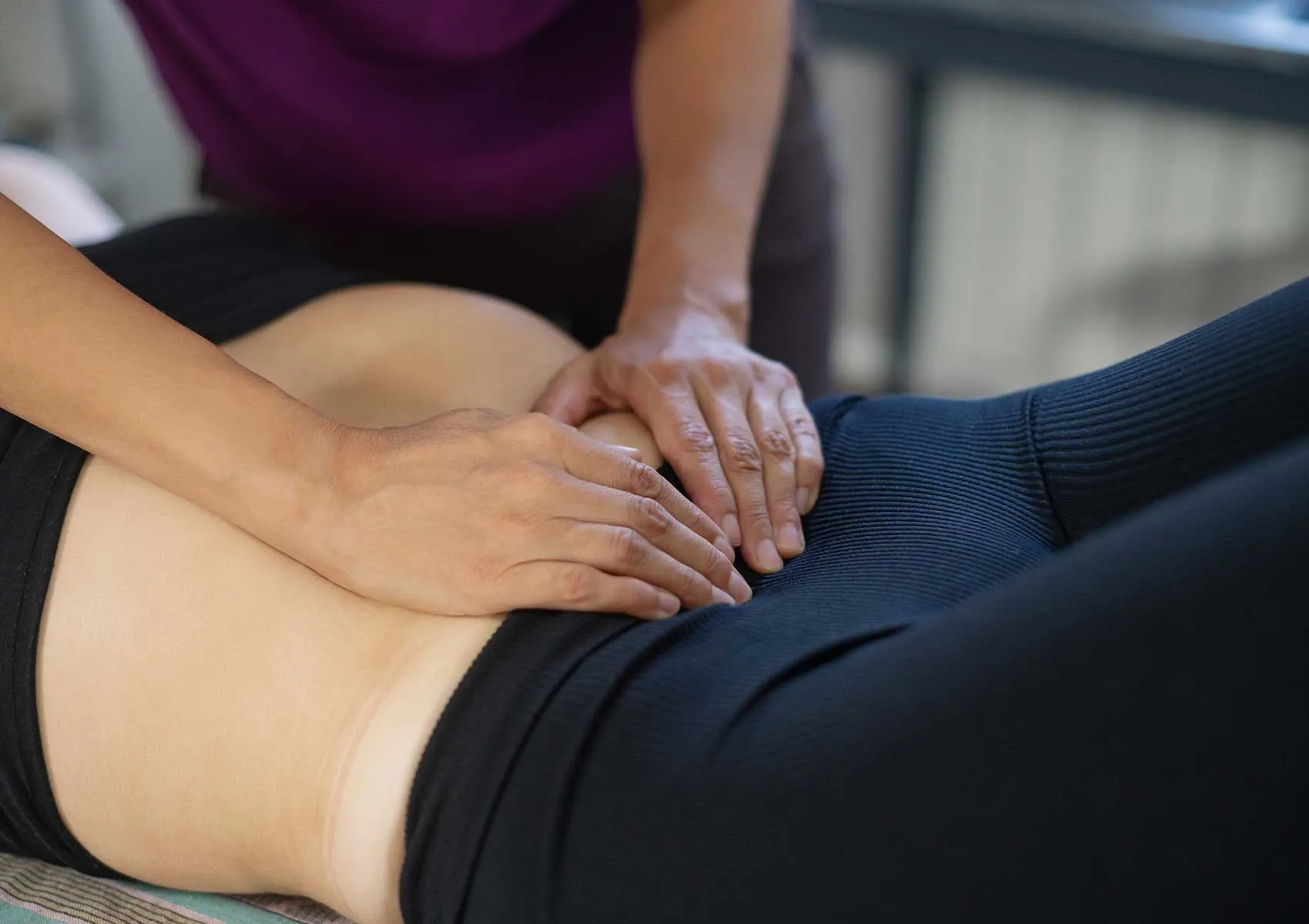
Diagnosis and Rehabilitation Process of Osteitis Pubis
Osteitis pubis is an inflammatory condition causing pain and discomfort in the groin area, frequently seen among athletes. Early and accurate diagnosis followed by a proper rehabilitation process significantly improves patients' quality of life. This article provides a detailed examination of the diagnostic criteria and effective rehabilitation strategies for osteitis pubis.
Osteitis pubis is the inflammation of the pubic bones located in the groin and pelvic area. It often arises as a consequence of excessive strain during athletic activities and sports. This condition, which manifests with pain, localized tenderness, and loss of function, adversely affects patients’ ability to perform sports and daily activities. As highlighted in the research of Prof. Dr. Gökhan Polat, early diagnosis and a proper rehabilitation program accelerate the healing process and reduce the risk of recurrence.
What Is Osteitis Pubis?
Osteitis pubis is characterized by inflammation and pain in the pubic symphysis, the joint where the two pubic bones meet at the front of the pelvis. This inflammation typically develops from repetitive movements, trauma that disturbs pelvic stability, or prolonged mechanical loading. It is a significant cause of chronic groin and lower abdominal pain in athletes. Unlike issues affecting joints like the hip or knee, osteitis pubis originates from irritation of the soft tissues surrounding the pubic bone.
Diagnostic Methods
A detailed clinical examination and medical history are critical for diagnosing osteitis pubis. The onset, intensity, relationship to movement, and impact on activities are carefully reviewed. Physical examination involves checking for tenderness upon palpation of the pubic symphysis and assessing the range of motion and strength of hip adductor muscles.
Imaging techniques are supportive in diagnosis:
- X-ray: Used to identify bone erosion or sclerotic changes in the pubic region.
- Magnetic Resonance Imaging (MRI): Evaluates soft tissue inflammation, bone marrow edema, and related areas such as the labrum. MRI is considered the gold standard in diagnosis.
- Computed Tomography (CT): Shows detailed bone changes but is less effective for soft tissue assessment compared to MRI.
Differential diagnosis is important, as many musculoskeletal problems causing groin pain—such as labral tears, femoroacetabular impingement, or hip osteoarthritis—can mimic osteitis pubis. Thus, a multidisciplinary evaluation may be necessary.
Rehabilitation Process
Conservative methods form the first line of treatment for osteitis pubis and are the foundation of rehabilitation programs. The approach depends on the severity of pain, the patient's activity level, and whether the condition has become chronic.
Initially, rest and reducing load on the affected area are essential. Activities that exacerbate pain, especially running, jumping, and sudden directional changes, should be avoided in the early rehabilitation phase.
Physiotherapy Program:
- Pain management: Techniques such as ice application, ultrasound therapy, and electrotherapy are used to reduce inflammation.
- Flexibility exercises: Stretching exercises target the pelvic area, groin, and hip flexor muscles to decrease tightness.
- Strengthening exercises: Focus on strengthening the abdominal, lumbar, and hip muscles to enhance pelvic stability, thereby reducing the load on the pubis.
- Balance and proprioceptive training: Important for athletes to develop balance and correct movement patterns.
Progressive active exercises are introduced with careful attention to pain, gradually increasing the load. Individualized exercise programs should be applied when athletes return to sports.
Treatment Approaches and Preventive Measures
In cases resistant to conservative treatment or with severe chronic inflammation, medical interventions may be required. Non-steroidal anti-inflammatory drugs (NSAIDs) are commonly prescribed to reduce pain and inflammation. Corticosteroid injections may be considered but should be used cautiously and under strict control.
Surgery is rarely necessary and is generally reserved for patients with serious structural problems unresponsive to conservative methods.
Preventive measures include proper training techniques, avoiding excessive loads, and implementing suitable warm-up and cool-down routines. Regular strengthening of pelvic and hip muscle groups is particularly beneficial for athletes to help prevent osteitis pubis.
Disciplined follow-up, treatment plans tailored to patient complaints, and long-term physiotherapy applications are key to success in the diagnosis and rehabilitation of osteitis pubis. Thanks to the clinical experience and academic research of Prof. Dr. Gökhan Polat, advanced approaches and rehabilitation protocols are effectively applied in the treatment of these patients.
FAQ
-
In which athletes is osteitis pubis more commonly seen?
It is more frequently observed in sports that place intense mechanical load on the pelvis and groin region, such as football, running, ice hockey, and rugby players.
-
Which imaging method is preferred for diagnosing osteitis pubis?
Magnetic Resonance Imaging (MRI) is the most effective method for revealing inflammation and soft tissue changes around the pubic area and is considered the gold standard during diagnosis.
-
When is surgical intervention necessary in osteitis pubis treatment?
Surgery may be considered in chronic cases that do not respond to conservative treatment and are accompanied by serious structural abnormalities. However, treatment is generally successful with non-surgical methods.
-
What should be considered during the rehabilitation period?
It is important not to overload the painful area, perform exercises in a controlled manner, reduce exercise intensity if pain recurs, and follow the physiotherapist’s recommendations.
-
How can osteitis pubis be prevented?
Proper warm-up, regular strengthening exercises, avoiding excessive strain, and balancing load with appropriate sports techniques can reduce the risk of developing osteitis pubis.