
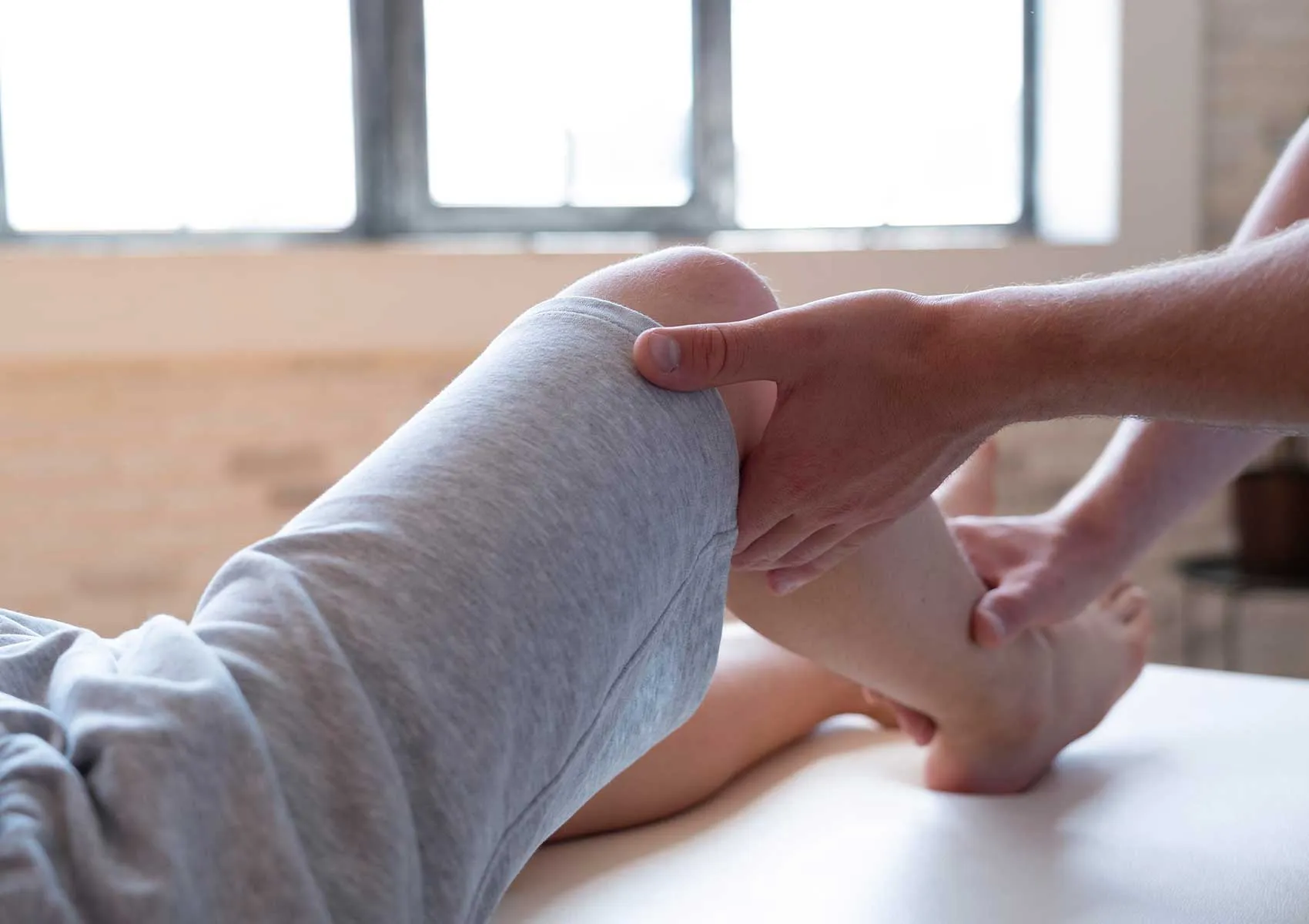
Physical Therapy After Prosthesis Surgery
Physical therapy plays a critical role in the successful recovery of patients who have undergone prosthesis surgery. Proper physical therapy programs must be implemented to restore muscle strength, increase joint range of motion, and regain daily living activities.
Prosthesis surgeries, commonly performed on the hip and knee joints, are among the effective treatment options for patients suffering from functional loss due to osteoarthritis, traumatic injuries, or other joint disorders. Following these surgeries, physical therapy is crucial for regaining joint function and enabling patients to return to their daily activities as quickly as possible.
Purpose and Importance of Physical Therapy After Prosthetic Surgery
The main goals following prosthesis surgery are to reduce pain, optimize joint range of motion, and increase muscle strength. Early mobilization and initiation of appropriate exercise programs post-surgery reduce the risk of complications and accelerate the healing process. Additionally, maintaining prosthesis stability in the long term helps prevent functional deterioration.
Early Rehabilitation Phase: The First Postoperative Days
Physical therapy usually begins within the first 24 to 48 hours after surgery. During this period, the focus is on controlling swelling and pain while preventing complications such as deep vein thrombosis. Respiratory exercises, active-passive movements, and exercises to enhance blood circulation are applied. Depending on the patient's pain levels, controlled walking using assistive devices like walkers or canes may be started.
Regaining Range of Motion and Muscle Strength
Loss of joint range of motion is one of the primary causes of functional limitation after prosthesis surgery. The goal of physical therapy in the early phase is to increase soft tissue flexibility and joint mobility. Strengthening the muscle groups that support the joint is especially important. For hip prostheses, the gluteal muscles are targeted; for knee prostheses, strengthening the quadriceps is prioritized. Increased muscle strength balances the load on the prosthesis and prolongs its lifespan.
Functional Exercises and Return to Daily Life
As recovery progresses, emphasis is placed on functional exercises to help patients independently perform their daily activities. Special exercises are applied to improve walking ability, such as stair climbing and sit-to-stand movements. Posture training and balance exercises are also integral parts of the program. At this stage, the patient's confidence increases, facilitating social integration.
Preventing Complications and Follow-up
Potential complications such as infection, prosthesis displacement, and deep vein thrombosis must be considered during the physical therapy process. Close communication between the physiotherapist and orthopedist enhances treatment success. Regular examinations and imaging methods are used to monitor prosthesis status if needed. Patient adherence to the exercise program plays a key role in achieving therapeutic goals.
Latest Technologies and Current Approaches
In recent years, the use of technological devices in rehabilitation after prosthesis surgery has become widespread. Robotic-assisted exercises and virtual reality-based balance and coordination training increase patient motivation and treatment success. Additionally, individualized physical therapy programs are optimized according to the patient's age, general health, and type of surgery.
Physical therapy after prosthesis surgery is a fundamental component that ensures the continuation of surgical success and significantly improves the patient's quality of life. Rehabilitation planned according to each patient's needs and conducted with a multidisciplinary approach makes optimal functional outcomes achievable.
FAQ
-
When should physical therapy begin after prosthesis surgery?
Physical therapy is generally recommended to begin within the first 24-48 hours after surgery. Early controlled movement and respiratory exercises reduce complication risks and accelerate recovery.
-
Which exercises are most emphasized during physical therapy after prosthesis surgery?
The focus is on increasing muscle strength, improving joint range of motion, and developing functional movements. Strengthening the relevant muscle groups after hip and knee prostheses is particularly important.
-
What complications should be considered during the rehabilitation process?
Possible complications include infection, prosthesis displacement, and deep vein thrombosis. These risks are minimized with regular follow-up and appropriate physical therapy programs.
-
Are supportive technologies used during physical therapy?
Yes, robotic-assisted exercises, virtual reality applications, and biomechanical analysis technologies can be used to enhance the effectiveness of physical therapy.
-
How long does the physical therapy process last after prosthesis surgery?
The duration of physical therapy varies per patient but typically lasts from several weeks to a few months. The treatment plan is tailored according to the patient's recovery speed and functional status.