
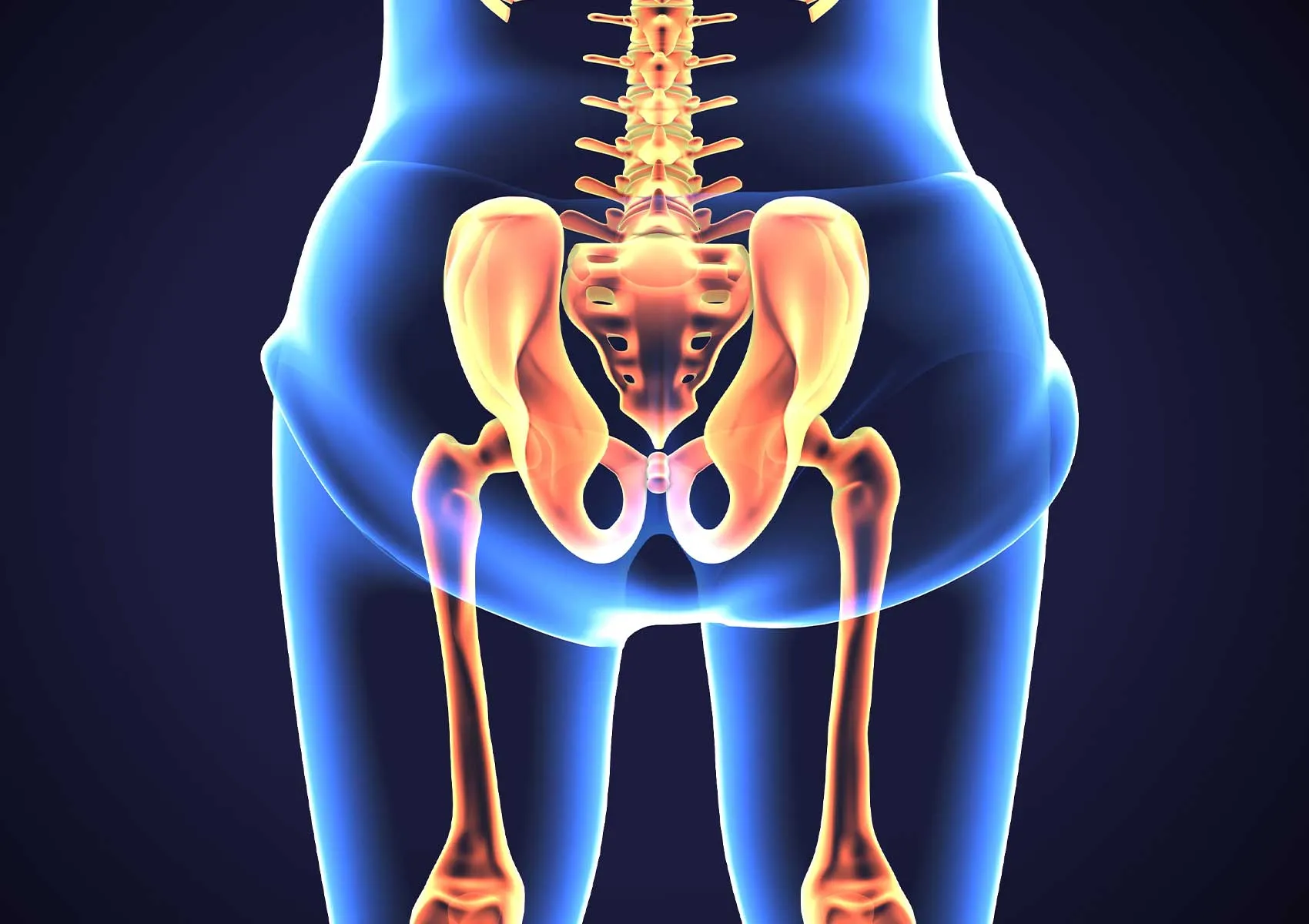
Hip Arthroscopy: Benefits and Procedure Overview
Hip arthroscopy is a minimally invasive surgical technique aimed at treating joint problems through small incisions.
Technological advancements in orthopedics have opened new horizons in the treatment of joint conditions. Among these innovations, hip arthroscopy stands out as a modern, minimally invasive surgical technique used for both diagnosing and treating various hip joint disorders. Instead of large incisions, this approach involves the insertion of a specialized camera (arthroscope) and surgical instruments into the joint through small incisions, allowing the surgeon to address problems inside the joint with minimal tissue trauma.
The primary goal of this method is to repair damaged tissues within the hip joint, correct abnormal bone structures, and alleviate pain to restore joint function. Compared to traditional open surgery, hip arthroscopy causes less damage to surrounding tissues, enables a faster recovery process, and provides better cosmetic results. These factors have made hip arthroscopy a valuable option for both surgeons and patients. This guide will provide detailed information about the indications for hip arthroscopy, procedural steps, its advantages, and the postoperative recovery phase.
When Is Hip Arthroscopy Used?
Hip arthroscopy is especially effective for addressing soft tissue and cartilage problems within the joint. It is not suitable for every cause of hip pain but is frequently preferred for certain diagnosed conditions. Leading health organizations like the Mayo Clinic recognize this procedure as the standard treatment for various hip joint disorders and therapies.
The main indications for hip arthroscopy include:
- Femoroacetabular Impingement (FAI): This condition arises from an abnormal contact between the femoral head and the acetabular socket, causing pain and limited motion. During hip arthroscopy for femoroacetabular impingement, protruding bone growths are shaved down to improve joint movement.
- Labral Tears: Tears in the labrum, a cartilaginous ring surrounding the hip socket that contributes to joint stability, can be repaired arthroscopically.
- Loose Bodies Within the Joint: Cartilage or bone fragments formed due to trauma or degeneration can cause locking and pain; these are removed via arthroscopy.
- Cartilage Damage: Focal cartilage lesions on the joint surface can be treated using arthroscopic methods.
- Inflammatory Conditions: Inflamed synovial tissue (synovitis) can be excised arthroscopically (synovectomy).
Surgical Technique: How Is Hip Arthroscopy Performed?
Also known as closed hip surgery, hip arthroscopy is a technically demanding procedure that requires meticulous planning and specialized equipment. Conducted according to protocols defined by the American Academy of Orthopaedic Surgeons (AAOS), this surgery consists of several key stages designed to maximize patient comfort and safety. These arthroscopic surgical methods ensure precision throughout the intervention.
Preoperative Preparation
Preparation before surgery is critical for successful outcomes. The patient's detailed medical history is recorded and a physical examination is performed. Imaging tests such as X-rays and Magnetic Resonance Imaging (MRI) provide clear visualization of the hip joint pathology. Surgeons use these images for surgical planning. The patient's general health status is assessed, and the anesthesiology team confirms eligibility for anesthesia.
Arthroscopic Procedure
The surgery is generally performed under general anesthesia. The patient is positioned on the operating table in a manner that facilitates access to the joint. Traction is applied gently to slightly separate the hip joint, allowing the surgical instruments to enter. The surgeon makes 2 to 4 small incisions around the hip, each approximately 1 cm long. Through one of these incisions, an arthroscope equipped with a high-resolution camera is inserted into the joint.
The arthroscopic images are projected onto a monitor. Guided by these magnified images, the surgeon manipulates thin, specialized instruments through the other incisions to repair labral tears, shave down impinging bone, or address cartilage injuries.
Technologies and Instruments Used
Hip arthroscopy requires advanced technological equipment. This includes a high-definition arthroscopic camera, lighting systems, fluid pumps, and radiofrequency ablation devices. Motorized shavers are used to smooth bone surfaces, and specially designed anchors help with suturing soft tissues. These fine instruments are vital for the precision required in this procedure.
Advantages of Hip Arthroscopy
As a minimally invasive technique, hip arthroscopy offers significant benefits compared to conventional open surgery. These advantages enhance both the surgical experience and the recovery period for patients. Scientific studies have supported the efficacy of arthroscopy. Further information on the hip arthroscopy procedure and its benefits outline the reasons behind its growing adoption.
Key benefits include:
- Smaller Scars: Only a few small incisions lead to better cosmetic results.
- Less Postoperative Pain: Reduced trauma to muscles and surrounding soft tissues generally results in milder postoperative pain.
- Faster Recovery: Hospital stays are usually shorter, and patients can return to daily activities sooner.
- Reduced Blood Loss: Smaller incisions minimize intraoperative bleeding.
- Lower Infection Risk: The smaller surgical field reduces the chance of infection.
Postoperative Recovery
Recovery after hip arthroscopy varies depending on the surgical intervention, patient’s overall health, and adherence to rehabilitation. The postoperative phase is as crucial as the surgery itself. Most patients are discharged the day after surgery. Pain management involves medications, and the use of crutches is typically recommended to protect the joint during the initial weeks.
Physical therapy is essential in this phase. Under the guidance of a qualified physiotherapist, exercises aim to restore joint mobility, strengthen muscles, and improve function. The rehabilitation program following hip arthroscopy is designed to help patients return to active life promptly. In some cases, biological support therapies such as PRP and stem cell treatments may be considered to promote healing.
Is Hip Arthroscopy Suitable for Everyone?
Hip arthroscopy is not appropriate for every patient with hip pain. Selecting suitable candidates is essential for treatment success. Typically, ideal candidates are young, active individuals with intra-articular pathologies confirmed by imaging who have not responded to conservative treatments (medication, physical therapy, injections).
For patients with advanced osteoarthritis, the effectiveness of hip arthroscopy is limited, and other options like total hip replacement may be more appropriate. Therefore, a thorough evaluation by an orthopedist and traumatologist is necessary before deciding on hip arthroscopy. Refer to indications and candidacy criteria for hip arthroscopy for detailed guidance.
Conclusion
In summary, hip arthroscopy is an effective and reliable minimally invasive surgical technique for treating many hip joint problems. It has become an essential component of modern orthopedic surgery due to its benefits in conditions like femoroacetabular impingement and labral tears. Offering less pain, quicker recovery, and better cosmetic outcomes, it represents an appealing option for appropriately selected patients. Nevertheless, the success of hip arthroscopy depends on careful patient selection, surgeon expertise, and patient compliance with postoperative rehabilitation. Consulting a specialist is crucial to determine the most suitable treatment approach.
This content is intended for general informational purposes only and does not substitute professional medical advice, diagnosis, or treatment. Always consult your physician or other qualified health care providers with any medical questions you may have. Never disregard or delay seeking professional medical advice based on information you have read on this website.
FAQ
-
What is hip arthroscopy and when is it used?
Hip arthroscopy is a minimally invasive surgical technique used to diagnose and treat issues within the hip joint through small incisions. It is commonly applied for conditions such as labral tears, femoroacetabular impingement, and cartilage damage. The decision to proceed with treatment is made after a thorough evaluation by an orthopedic specialist.
-
What are the advantages of arthroscopic hip surgery compared to open surgery?
Arthroscopic hip surgery offers several benefits over open surgery, including smaller incisions, less blood loss, shorter hospital stays, and generally faster recovery. Because it causes less damage to surrounding muscles and tissues, postoperative pain may also be reduced.
-
How is hip arthroscopy performed and what is the procedure like?
The surgery is typically performed under general anesthesia. The surgeon makes a few small incisions to insert a camera (arthroscope) and specialized surgical instruments into the joint. Using magnified images displayed on a screen, damaged tissues are repaired and abnormal structures are corrected.
-
How long does recovery take after surgery and what precautions should be taken?
Recovery time varies depending on the individual and the specific procedure but generally takes from several weeks up to a few months. Following the doctor's instructions, adhering to the physical therapy program, resting appropriately, and avoiding strenuous activities are essential for a successful recovery.
-
Is hip arthroscopy suitable for everyone, and who can undergo this surgery?
Hip arthroscopy is an option for patients with specific hip joint problems who have not responded to non-surgical treatments and are in sufficient general health to undergo surgery. It is usually not recommended for those with advanced joint arthritis. The final decision is made by an orthopedic specialist after a detailed assessment.