
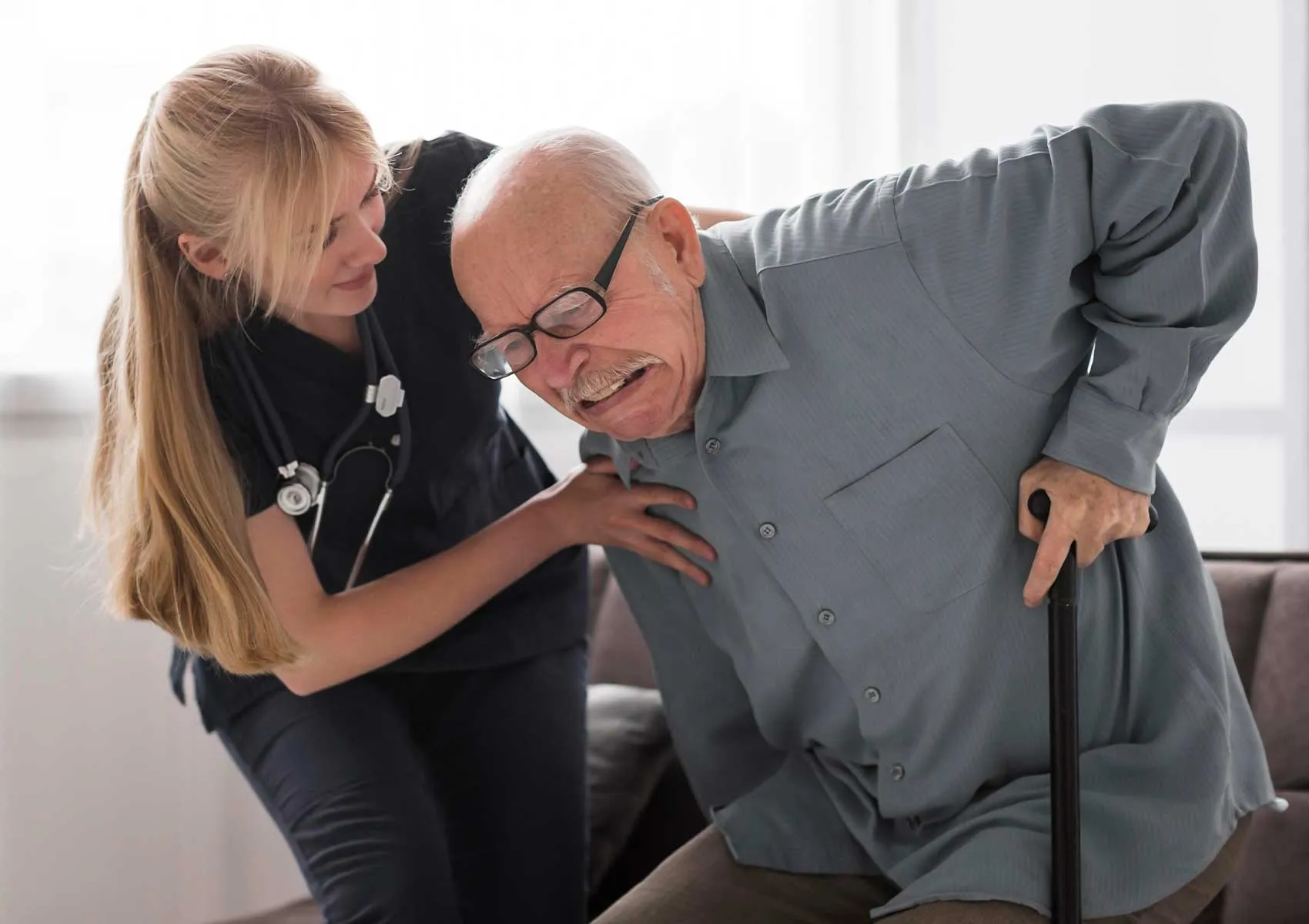
Common Joint Problems in the Elderly
Various joint problems that emerge with aging can significantly affect quality of life. This article explores common joint issues in elderly individuals, their causes, symptoms, and treatment options in detail.
The aging process brings numerous changes to the body, including those that affect joint health. Joint problems are a significant health concern for older adults that can diminish quality of life. Degeneration and thinning of the cartilage tissue covering the ends of bones, along with weakening of ligaments around the joints, reduce joint function, causing pain and limited mobility. Orthopedic and traumatology specialists, leveraging their expertise in sports injuries and joint diseases, play a crucial role in protecting joint health and treating disorders in elderly individuals.
The Aging Process and Joint Health
Each joint is lined with cartilage layers that enable bone movement and absorb shocks to protect the bones from damage. As we age, these cartilage layers become thinner, lose elasticity, and accumulate micro-damage. Additionally, the elastic properties of the joint capsule and surrounding ligaments diminish. These changes can cause movement restrictions and joint pain. Production of synovial fluid decreases, resulting in less lubrication within the joint. All these factors explain why joint problems are commonly seen in older adults.
Osteoarthritis: The Most Common Joint Disease Among the Elderly
Osteoarthritis (OA) is a degenerative disease characterized by deterioration of joint cartilage and changes such as cracking, tearing, and calcification around the joint. It most frequently affects the knees and hip joints. Wear and tear on joint surfaces due to aging, combined with weakening of muscles and ligaments, are primary causes of osteoarthritis. Key symptoms include joint pain, stiffness (especially in the morning or after prolonged inactivity), swelling, and restricted movement. As emphasized in Dr. Gökhan Polat’s studies, early diagnosis and appropriate treatment can slow the disease progression and preserve joint function.
Rheumatoid Arthritis and Other Inflammatory Joint Diseases
Rheumatoid arthritis (RA) is an autoimmune condition that can also affect the elderly. RA causes chronic inflammation inside and around joints, leading to pain, swelling, and difficulty moving. Unlike osteoarthritis, RA typically affects joints symmetrically and presents with morning stiffness. It is a systemic disease, so patients may also experience general fatigue, fever, and weight loss. Other inflammatory joint diseases such as connective tissue disorders, gout, and psoriatic arthritis should also be considered in the elderly.
Joint Calcification and Restricted Movement
Joint calcification frequently occurs within the context of osteoarthritis and is especially common in older adults. Calcification leads to irregular and stiff joint surfaces, reducing joint mobility. Patients experience pain and stiffness primarily in the knees and hips. This condition can make daily activities challenging and limit movement ability. Preserving joint mobility through physical therapy and appropriate medical treatments can alleviate problems caused by calcification.
Cartilage Damage and Treatment Methods
Cartilage damage significantly affects joint function in elderly patients. When cartilage tissue on the joint surface weakens, bones rub directly against each other causing increased pain and inflammation. Arthroscopic surgery, cartilage repair, and microfracture techniques can be applied, particularly to knee and hip joints. Dr. Polat’s work on arthroscopic surgeries for conditions like femoroacetabular impingement and labral tears sheds light on developing more precise and effective surgical methods for elderly patients.
Joint Prosthesis Surgery: When Is It Necessary?
When disease advances to severe stages and medical treatments fail to provide relief, joint prosthesis surgery becomes an option. Hip and knee replacements are reliable methods preferred to reduce pain, improve function, and enhance quality of life in elderly patients. The success of prosthetic surgery depends directly on proper patient selection, surgical technique, and effective postoperative rehabilitation. Prosthetic surgery is particularly recommended when restricted movement and chronic pain adversely affect daily living.
Methods to Protect Joint Health in the Elderly
Maintaining joint health in older adults requires balanced nutrition, regular exercise, weight control, and appropriate orthopedic supports. Reducing fall risk, minimizing excessive joint load, and regular medical check-ups for early diagnosis are advised. Timely management of pain and inflammation, along with adherence to rehabilitation programs, plays a vital role in preserving joint functions.
Joint problems related to aging present in various clinical forms. Prof. Dr. Gökhan Polat’s expertise in orthopedics and traumatology provides trustworthy guidance in accurate diagnosis and treatment for elderly patients. Early detection of joint diseases combined with a multidisciplinary approach is crucial for maintaining mobility and enhancing quality of life in older adults.
FAQ
-
What changes occur in joints due to aging?
Aging causes cartilage thinning, loss of elasticity, decreased synovial fluid production, and weakening of ligaments around the joints. These changes can lead to joint pain, stiffness, and limited movement.
-
What is the difference between osteoarthritis and rheumatoid arthritis?
Osteoarthritis is a degenerative disease caused by cartilage wear and tear and is generally related to aging. Rheumatoid arthritis is an autoimmune disorder causing chronic inflammation inside and around joints. It often affects symmetrical joints and can present systemic symptoms.
-
When is joint prosthesis surgery recommended?
Joint prosthesis surgery is recommended in advanced osteoarthritis with severe pain and limited movement when medical treatments fail. It is used to reduce pain and improve mobility in hip and knee joints.
-
How can joint health be preserved in elderly individuals?
Joint health can be maintained with balanced nutrition, regular exercise, weight control, fall risk reduction, and regular medical follow-up. Early treatment of pain and inflammation supports joint function.
-
What treatment options are available for cartilage damage?
Treatments include arthroscopic surgery, cartilage repair procedures, and microfracture techniques. These aim to improve joint function, especially in knee and hip joints.