
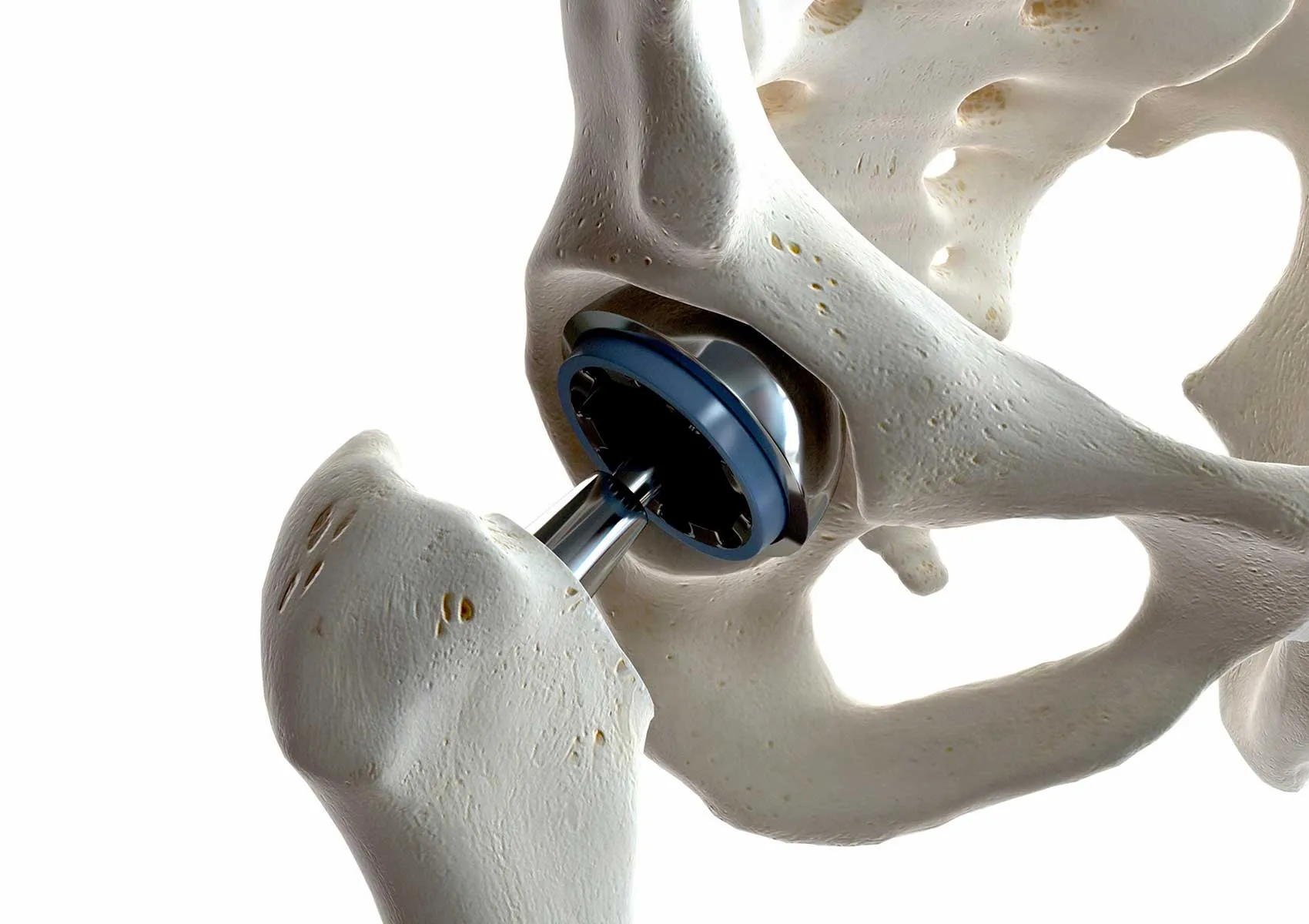
Dislocation Risk and Precautions in Hip Prosthesis
Dislocation is one of the most common complications encountered following hip replacement surgery. This article thoroughly examines the causes, symptoms, and the most effective prevention strategies for dislocation risk in hip prostheses.
Hip prosthesis procedures are widely utilized surgical interventions to improve the quality of life in patients suffering from advanced hip joint diseases. However, like all surgical interventions, hip replacement carries certain risks of complications. Among these, dislocation of the prosthesis is one of the most frequently encountered problems. Dislocation in hip prosthesis occurs when the connection between the joint surfaces and prosthetic components is disrupted, causing symptoms such as pain and restricted movement in the patient. This article discusses the causes, symptoms, significance, and preventive measures of hip prosthesis dislocation with reference to scientific data.
Causes of Dislocation in Hip Prosthesis
Surgical Technique and Prosthesis Selection
One of the most important factors affecting dislocation risk is the surgeon's experience and the appropriate selection of the prosthetic components. Incorrect placement of the prosthesis angle or insufficient stabilization of the surrounding soft tissues can increase the possibility of dislocation. Proper positioning of the acetabular and femoral components is especially crucial.
Patient-Related Factors
Dislocation risk varies depending on factors such as patient age, muscle strength, bone structure, and the condition of the periarticular soft tissues. Advanced age, muscle weakness, and weakened soft tissues around the hip increase the risk. Additionally, the presence of neuromuscular diseases or neurological dysfunctions also elevates the risk.
Type of Prosthesis Used
Compared to standard prostheses, specialized dislocation-preventing (constrained) prostheses may reduce the risk of dislocation, although these models carry their own complications. Surface characteristics and concepts such as cross-linked components directly affect the stability of the prosthesis.
Symptoms and Diagnosis of Dislocation
Dislocation usually occurs in the early postoperative period and, rarely, in late stages. Clinical signs include sudden severe hip pain, loss of movement, and deformity. In suspected dislocation cases, urgent radiological evaluation must be performed to check prosthesis positioning.
Early recognition and prompt intervention in dislocations are crucial to reduce joint surface damage and alleviate patient pain.
Surgical Precautions to Reduce Dislocation Risk
Proper Prosthesis and Positioning
During surgery, the acetabular component is generally placed at 40–45 degrees abduction and 15–20 degrees anteversion. The length, rotation, and placement of the femoral component must be precisely managed. Careful assessment of these parameters maximizes stability.
Soft Tissue Stabilization
The capsule, ligaments, and muscle structures around the hip play critical roles in preventing dislocation. The surgeon must repair and stabilize these tissues appropriately. Particularly with the posterior approach, tight repair of the posterior capsule significantly reduces dislocation risk.
Special Prosthesis Models
For some patients, dual mobility or constrained prostheses can minimize the likelihood of dislocation. However, the long-term performance and possible complications of these prostheses must also be assessed.
Medical and Rehabilitation Measures
Patient-Specific Movement Restrictions
Strict adherence to movement restrictions targeting hip motions during the postoperative period is essential. Excessive hip flexion, internal rotation, or adduction increases dislocation risk. Patients should be informed to avoid these movements.
Muscle Strengthening Exercises
As muscle support strengthens, hip stability improves. Physical therapy should focus particularly on the gluteal muscles and surrounding soft tissues. These exercises should be performed gradually to prevent patient fatigue.
Early Mobilization and Monitoring
Controlled early mobilization benefits overall patient well-being but should avoid overexertion. Regular clinical assessments and radiological imaging should monitor prosthesis status.
Lifestyle and Patient Education
Lifestyle modifications during the postoperative period are important to reduce dislocation risk. Preventing falls, managing body weight, using appropriate footwear, and regulating activities are critical areas for patient education.
Hip prosthesis dislocation is not merely a mechanical issue but requires a multidisciplinary approach. Surgical success, appropriate prosthesis selection and placement, consideration of patient-specific factors, followed by accurate rehabilitation and patient education, collectively minimize risks. Maintaining close communication with healthcare providers throughout pre- and postoperative phases is key to preventing complications.
FAQ
-
How common is the risk of dislocation after hip replacement?
The risk of dislocation after hip replacement generally ranges between 1% and 3%, but this rate can increase depending on patient age, surgical technique, prosthesis type, and individual factors.
-
What should be done if symptoms of dislocation are noticed?
In cases of sudden hip pain, deformity, and loss of movement, immediate consultation with an orthopedic specialist is necessary. Radiological examination should confirm the diagnosis of dislocation. Early intervention reduces the risk of joint damage.
-
Which movements should be avoided to prevent prosthesis dislocation?
Excessive bending (flexion), inward rotation (internal rotation), and bringing the legs too close together (adduction) can increase dislocation risk. These movements should especially be avoided during the postoperative period.
-
How is dislocation treated?
Dislocation treatment usually involves closed reduction, which is a non-surgical repositioning of the dislocated prosthesis. Surgical intervention may be required for resistant or recurrent dislocations.
-
How can dislocation risk be reduced during rehabilitation?
Controlled and regular physiotherapy focusing on strengthening the muscles around the hip, patient education, and maintaining movement restrictions effectively reduce dislocation risk.