
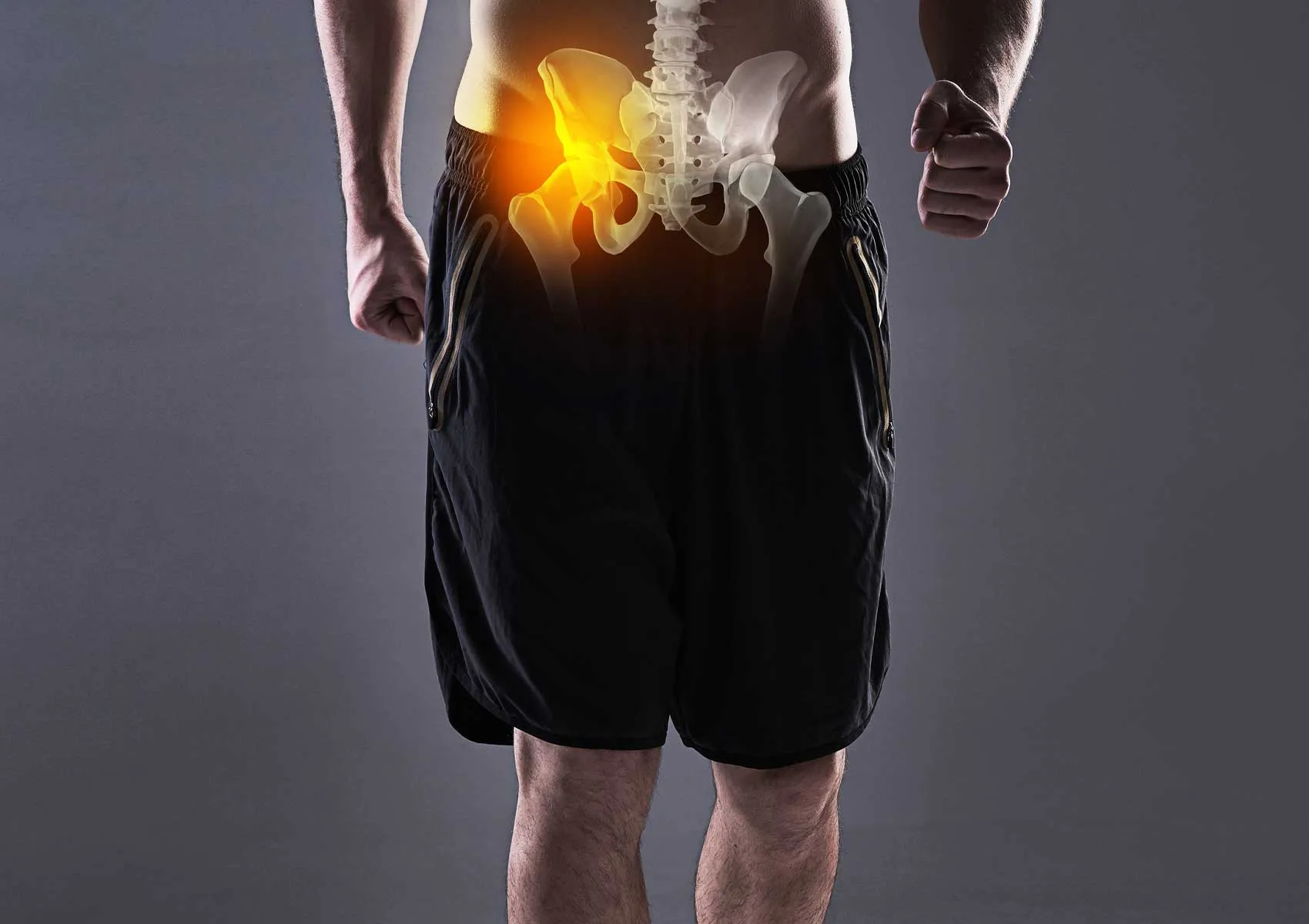
Groin Pain in Athletes: Causes and Hip Connection
Groin pain in athletes is often caused by muscle strains or hip joint problems.
Groin pain in athletes is a common and complex issue affecting both amateur and professional active individuals, potentially leading to decreased performance. This condition is frequently seen in sports requiring sudden changes of direction, such as soccer, ice hockey, and athletics. While it may result from a simple muscle strain, it can also indicate an underlying serious hip joint pathology.
Effective management of this pain depends on accurately identifying its cause. Hip-related problems, often mistaken for groin hernias or adductor muscle injuries, may become chronic if improperly diagnosed. This guide thoroughly examines the possible causes of groin pain, its anatomical relationship with the hip joint, and current treatment approaches.
Most Common Causes of Groin Pain in Athletes
The groin area is an intersection of abdominal muscles, inner thigh muscles (adductors), and hip joint structures. This anatomical complexity complicates pinpointing the source of pain. Although most pain in athletes originates from soft tissue injuries, bone and joint issues should not be overlooked.
Adductor tendinopathy, osteitis pubis, and sports hernia are among the most frequent causes. Their symptoms often overlap, making differential diagnosis challenging.
Structural Relationship Between the Hip Joint and Groin Pain
Many athletes assume groin pain is solely muscular; however, the primary source may lie deep within the hip joint. Persistent, treatment-resistant groin pain warrants thorough investigation of hip joint pathologies. For more detailed information, refer to the hip joint disorders guide.
The leading cause of hip joint-related pain is Femoroacetabular Impingement (FAI). This condition stems from structural incompatibility between the femoral head and acetabulum, causing joint impingement especially during hip flexion, leading to pain and potentially cartilage damage. Detailed insights on this condition are available at femoroacetabular impingement details.
Another significant cause is labral tears of the hip, often resulting from mechanical impingement or trauma, characterized by sharp pain radiating to the groin.
Understanding these structural problems is aided by resources like hip anatomy and labral tears, which help athletes better assess their condition.
How Is Groin Pain Diagnosed?
Accurate treatment planning begins with a precise diagnosis. The first step is a detailed physical examination, during which the physician performs provocation tests to identify pain triggers and sensitive areas.
Imaging techniques play a crucial role in confirming the diagnosis. X-rays reveal bone abnormalities such as cam or pincer impingement types, while Magnetic Resonance Imaging (MRI) provides detailed views of soft tissue, cartilage, and labral damage.
Differential diagnosis should also consider referred pain. Though rare, serious knee joint issues or lumbar disc herniation may cause pain radiating to the groin area. In older athletes or those with severe joint damage, processes evaluating topics like knee replacement surgery indications require careful differentiation between hip and knee pain.
Treatment Methods: From Rest to Surgery
Treatment of groin pain in athletes follows a stepwise approach based on the cause and severity. Conservative (non-surgical) methods are generally preferred initially. Activity modification, cold therapy, and anti-inflammatory medications help manage acute pain.
Physical therapy and rehabilitation form the foundation of recovery. The focus is on strengthening muscles around the groin and improving flexibility.
Surgical options are considered when conservative treatments fail or in the presence of mechanical issues such as significant labral tears or bone impingement. Most procedures today are performed arthroscopically (minimally invasive). For detailed information, see arthroscopic treatment of femoroacetabular impingement.
Postoperative and conservative rehabilitation processes are closely monitored to ensure a safe return to sport, as detailed in rehabilitation after sports injuries.
How to Prevent Groin Pain in Athletes?
Preventive medicine is more important than treatment in sports injuries. To reduce the risk of groin pain, training programs should be individualized. Common mistakes include insufficient warm-up and excessive load. For key points on this topic, see common exercise mistakes in athletes.
Regular core (abdominal and lumbar) strengthening exercises increase pelvic stability, reducing load on the groin. Incorporating sport-specific stretching routines helps maintain adductor muscle flexibility. Taking a break from activity and consulting a specialist as soon as pain occurs is a simple yet effective strategy to prevent chronic issues.
This content is provided for informational purposes only and contains general medical information. It is not intended as medical advice and should not be used as a substitute for professional diagnosis or treatment. Diagnosis and treatment require evaluation by a qualified healthcare provider based on the individual’s specific health condition. If you have any concerns or questions about your health, please consult a healthcare professional promptly and do not delay seeking necessary care.
FAQ
-
What are the most common causes of groin pain in athletes?
Groin pain in athletes is typically caused by muscle strains, tendon inflammation (tendinitis), groin hernias, or hip joint issues. Adductor muscle injuries and osteitis pubis are also frequently diagnosed. It is important to consult a specialist for an accurate diagnosis.
-
Is there a connection between groin pain and hip problems?
Yes, groin pain often indicates problems related to the hip joint. Conditions such as labral tears, femoroacetabular impingement (FAI), or hip joint arthritis can cause pain to radiate directly to the groin area.
-
How can athletes prevent groin pain?
To prevent groin pain, it’s important to perform proper warm-up and cool-down exercises regularly, and strengthen the groin and core muscles. Gradually increasing sport-specific training and allowing the body to rest reduces the risk of injury.
-
When should I see a doctor for groin pain?
You should consult a doctor if your groin pain is severe, worsens with activity, does not improve with rest, or is accompanied by symptoms like numbness or weakness in your leg. Also, seek medical advice if the pain persists over a long period.
-
What treatments are used for groin pain?
Treatment depends on the cause of the pain. Generally, rest, ice application, physical therapy, and targeted exercises are recommended initially. If mechanical issues like impingement or tears are present, injections or surgery may be necessary.