
Hip Arthroscopy: Minimally Invasive Procedure and Benefits
Hip arthroscopy is a minimally invasive surgical technique used to diagnose and treat problems within the joint.
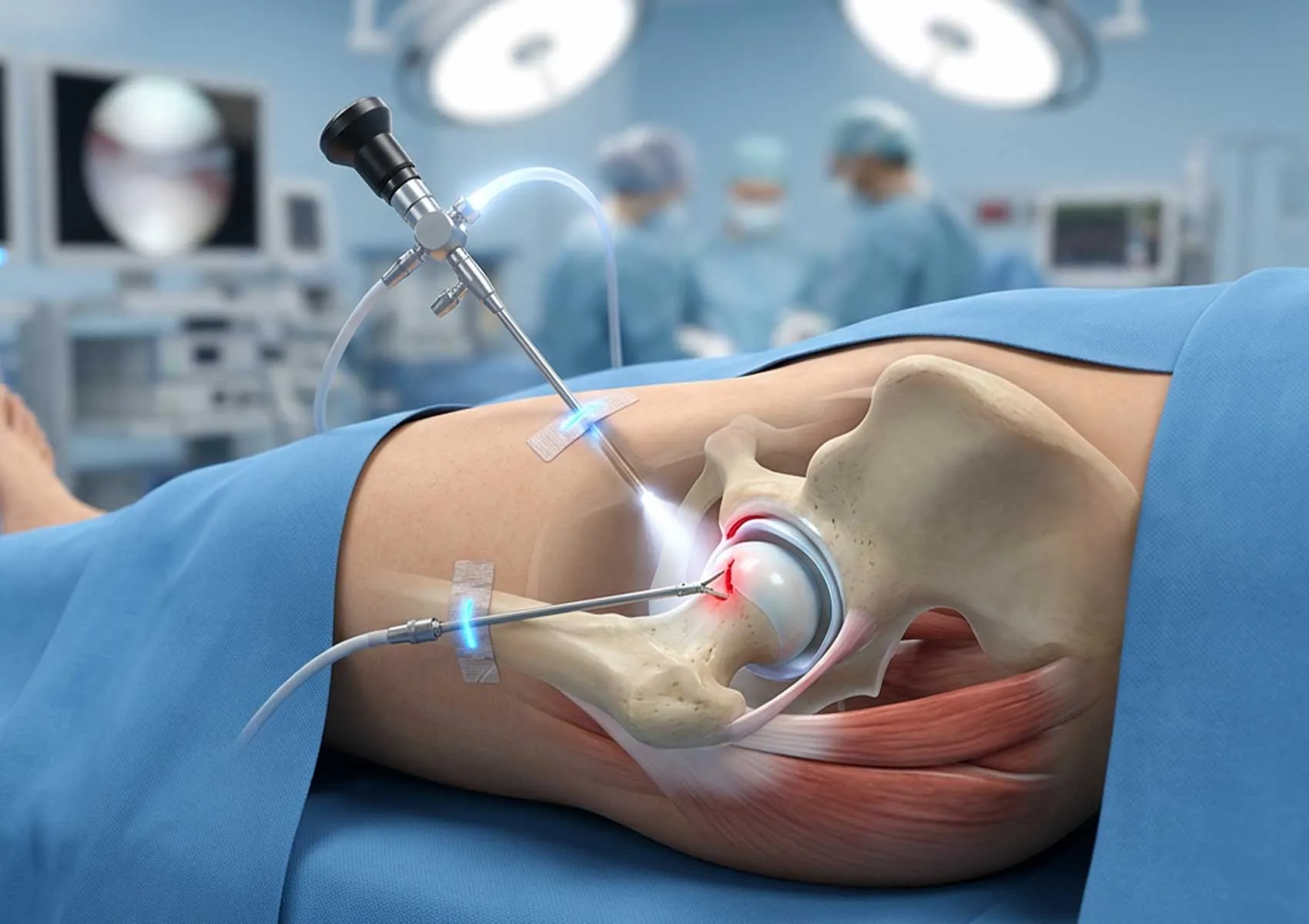
Hip arthroscopy is a minimally invasive surgical technique used for visualization, diagnosis, and treatment of pathologies within the hip joint. Unlike traditional open surgery, this procedure involves only a few small incisions through which a camera and surgical instruments are inserted into the joint. Widely employed today in sports surgery and preventive hip surgery, this method can facilitate faster recovery and earlier return to daily activities.
With advances in orthopedic and traumatology technologies, the use of hip arthroscopy has become increasingly common. It plays a significant role in treating hip pain, especially in young and active individuals. The procedure aims to protect the joint cartilage and preserve the natural anatomy of the hip joint as much as possible.
Anatomy of the Hip Joint and the Role of Arthroscopic Surgery
The hip joint is a ball-and-socket joint formed by the head of the femur and the acetabulum of the pelvis. This complex mechanism supports body weight and allows a wide range of motion. Stability is provided by the labrum, a cartilage structure, along with the capsule and ligaments. Hip joint diseases typically arise from damage or deformity to these structures.
Arthroscopic surgery allows detailed examination by accessing this deep and narrow joint space. Understanding the relationship between hip anatomy and labral tears is crucial for successful treatment. The diagram below visualizes the anatomical structure of the hip joint and the typical arthroscopic entry points.
What Is Hip Arthroscopy and When Is It Used?
Commonly referred to as “closed hip surgery,” hip arthroscopy is a surgical intervention performed using advanced imaging technology. This technique serves both diagnostic and therapeutic purposes. The most comprehensive answer to what is hip arthroscopy? includes the removal of loose bodies inside the joint, repair of cartilage damage, and treatment of soft tissue issues.
The most frequent indication for this surgery is femoroacetabular impingement syndrome (FAI), a condition caused by abnormal contact between hip bones leading to cartilage and labrum damage. Other conditions that may warrant hip arthroscopy include:
- Labral tears
- Synovitis (inflammation of the joint lining)
- Loose cartilage fragments (joint mice)
- Snapping hip syndrome
- Early-stage osteoarthritis
How Is Hip Arthroscopy Performed?
Hip arthroscopy is a technically demanding procedure requiring advanced surgical experience and specialized equipment. This service, offered within the hip arthroscopy unit, is performed under sterile operating room conditions. The surgeon uses fluoroscopy (X-ray imaging) to identify the joint space and create safe entry points.
Preoperative Preparation
Before surgery, a thorough physical examination is conducted, and imaging studies such as MRI and X-rays are performed to clarify the pathology. The patient’s overall health and suitability for anesthesia are assessed. Information on blood-thinning medications and chronic conditions should be shared with the physician.
Surgical Steps
During the operation, the leg is gently tractioned using a traction table to widen the joint space, allowing easier instrument maneuverability. The joint interior is visualized with a camera, and problematic areas are treated accordingly.
Duration and Anesthesia
The surgery is typically performed under general or spinal (epidural) anesthesia. Operation time varies depending on the extent of the intervention but generally lasts between 1.5 and 3 hours.
Recovery Process and Physical Therapy
The postoperative period is at least as important as the surgery itself. Similar to rehabilitation following sports injuries, a personalized physical therapy program is implemented after hip arthroscopy. Crutch use may be necessary during the initial days. As with orthopedic surgeries and rehabilitation, the goals include preserving joint mobility and regaining muscle strength.
Potential Risks and Complications of Hip Arthroscopy
As with any surgical procedure, hip arthroscopy carries some risks. According to the American Academy of Orthopaedic Surgeons (AAOS) and scientific literature, possible complications include:
- Temporary nerve numbness related to traction (pudendal or sciatic nerve)
- Infection
- Vascular or nerve injury
- Anesthesia-related complications
- Instrument breakage inside the joint (rare)
These risks can be minimized by experienced surgeons using appropriate techniques.
Advantages of Hip Arthroscopy
Compared to open surgery, hip arthroscopy causes significantly less tissue trauma. Similar minimally invasive techniques have become standard in other joint surgeries, such as anterior cruciate ligament reconstruction. Shorter hospital stays, reduced pain, and smaller cosmetic scars are primary reasons this method is preferred.
In summary, hip arthroscopy, when applied with appropriate patient selection and correct technique, is an effective option for resolving hip joint problems.
The content on this website is intended for informational purposes only and does not constitute medical advice. It is essential to consult a qualified healthcare professional for diagnosis and treatment. The information provided here is not a substitute for professional medical opinion, diagnosis, or treatment. Always seek the advice of your physician or a qualified health provider with any questions you may have regarding your health, and do not delay seeking medical care based on the information provided.
FAQ
-
What is hip arthroscopy and when is it used?
Hip arthroscopy is a minimally invasive surgical technique used to diagnose and treat problems within the hip joint. It can be applied for conditions such as labral tears, cartilage damage, and impingement syndrome. For an accurate diagnosis and treatment plan, consult a specialist.
-
How is hip arthroscopy performed?
The surgery is performed by inserting a small camera (arthroscope) and specialized surgical instruments into the joint through small incisions. The surgeon views the joint on a monitor and carries out repairs or cleaning. The procedure is usually done under general anesthesia.
-
How long is the recovery period after surgery and what should be considered?
Recovery time varies by individual but typically ranges from a few weeks to several months. Physical therapy, rest, and following your doctor's instructions are essential parts of the recovery process. If you experience any pain or complications, contact your doctor immediately.
-
Are there potential risks or complications with hip arthroscopy?
As with any surgery, hip arthroscopy carries risks such as infection, bleeding, nerve injury, and anesthesia-related complications. Although these risks are rare, discuss them thoroughly with your doctor before the procedure. Always consult your physician about any potential risks.
-
Is exercise and physical therapy important after hip arthroscopy surgery?
Yes, physical therapy after hip arthroscopy is crucial to restore joint mobility, increase muscle strength, and achieve full recovery. Specialized exercises guided by a physiotherapist accelerate healing and support functional independence.