
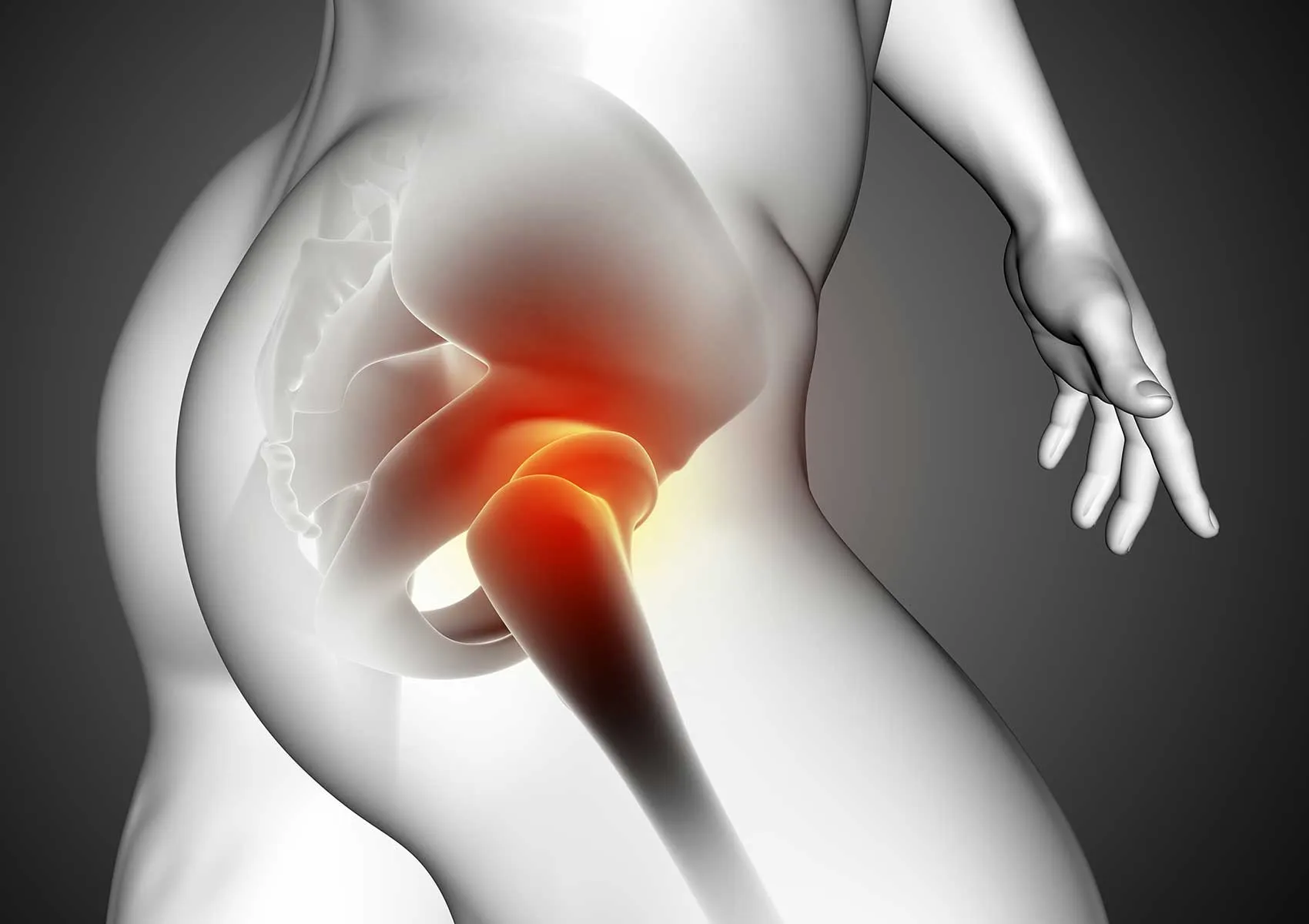
Hip Labrum Tear: Symptoms, Diagnosis, and Treatment
A hip labral tear refers to damage in the cartilage surrounding the hip joint and requires early diagnosis.
The hip joint is one of the most mobile and weight-bearing joints in the body. A key structure contributing to its stability is a cartilage ring called the labrum. A hip labral tear is a common cause of hip pain, especially in athletes and active individuals. If left untreated, it may lead to long-term complications such as hip osteoarthritis.
Hip labral tears can occur suddenly after trauma or develop gradually due to structural abnormalities. Patients usually present with deep groin pain and a catching or locking sensation during movement. This guide discusses the causes, symptoms, diagnostic methods, and current treatment options for labral tears based on scientific evidence.
What is a Hip Labral Tear?
A hip labral tear refers to damage in the fibrous cartilage surrounding the rim of the acetabulum, the socket of the hip joint. The labrum acts as a seal that helps to hold the femoral head securely within the socket. Disruption of this structure negatively affects joint mechanics, causing pain and functional impairment.
Anatomical Role of the Hip Labrum
The labrum increases the surface area of the hip joint, enhancing stability and preserving the joint fluid, which nourishes the cartilage. This vital structure balances load distribution, reducing stress on joint surfaces.
Maintaining labral health is essential for the longevity of the hip joint. For more detailed information about anatomical abnormalities and disorders affecting this region, please refer to our page on hip joint diseases. Additionally, our specialized article on hip anatomy and labral tears offers an in-depth analysis.
How Does the Tear Occur?
Labral tears typically develop via two main mechanisms: trauma or structural abnormalities. Sports involving sudden twisting motions such as soccer, ice hockey, or ballet can cause acute tears. Structural conditions like femoroacetabular impingement (FAI) produce repetitive friction over time, leading to degenerative tears.
Symptoms of Hip Labral Tear
Symptoms vary among individuals. Some experience mild discomfort, while others suffer severe pain that limits daily activities. Properly identifying symptoms is critical in the diagnostic process.
Most Common Symptoms
The most frequently reported symptom is a deep, C-shaped pain in the groin area. Other common signs include locking, catching, or clicking sensations in the hip. Pain often worsens after prolonged sitting or walking.
Impact on Daily Life
Labral tears can significantly reduce quality of life by making simple activities such as getting in and out of a car, tying shoes, or climbing stairs painful. Athletes may experience decreased performance or the need to pause their sports participation. Learn more about how hip impingement affects daily living in our article Effects of hip impingement on daily life.
Diagnostic Methods
Accurate diagnosis of hip pain requires a detailed evaluation.
Physical Examination and Clinical Tests
During physical examination, the physician assesses hip range of motion and performs specific provocative tests (e.g., FADIR test) to identify damage to the labrum or impingement syndrome. Patient descriptions of pain and mobility restrictions guide the evaluation.
Imaging Techniques (MRI, MR Arthrography)
X-rays can reveal bony structural problems such as bone spurs or dysplasia but cannot directly visualize soft tissue like the labrum. Definitive diagnosis typically requires Magnetic Resonance Imaging (MRI) or MR arthrography, where contrast dye is injected into the joint.
Treatment Options for Hip Labral Tears
Treatment depends on tear size, patient age, activity level, and accompanying hip conditions. The primary goal is to relieve pain and restore hip function. Labral repair is often considered alongside surgical treatment for underlying conditions like femoroacetabular impingement (FAI).
Non-Surgical Treatment Options
Many patients initially try conservative approaches such as activity modification, anti-inflammatory medication, and physical therapy. Intra-articular injections may also be administered to control pain and support healing. Advances in regenerative medicine offer additional options, including PRP and stem cell treatments which may aid tissue repair.
Arthroscopic Surgery and Repair
Surgical intervention may be necessary for patients unresponsive to conservative treatment or those with significant structural abnormalities. The current gold standard is arthroscopic surgery of the hip, allowing repair or debridement of labral tears through minimally invasive techniques. When bone impingement causes the tear, arthroscopic treatment of FAI is performed concurrently to address the root cause.
Recovery and Rehabilitation
Postoperative care is as important as the surgery itself. Recovery timelines vary based on patient compliance and the specific procedure performed.
Recovery Timeline and Phases
After arthroscopic repair, patients typically use crutches for several weeks and avoid certain movements early on. Full recovery and return to sports may take 3 to 6 months depending on the intervention. Protecting tissue healing throughout is essential.
Physical Therapy and Exercises
Rehabilitation focuses on strengthening muscles around the hip and restoring mobility. Supervised physiotherapy exercises are crucial for safe recovery.
For a comprehensive rehabilitation plan, refer to our article on rehabilitation after sports injuries.
Risk Factors for Hip Labral Tears
Certain factors increase the risk of labral tears. These include hip dysplasia (a shallow socket predisposing to instability) and femoroacetabular impingement (abnormal hip bone shape). Athletes in sports requiring extreme hip rotation like soccer, ice hockey, golf, and ballet are particularly vulnerable. Repeated microtraumas gradually weaken the tissue, making tears more likely.
Tips for Maintaining Hip Health
Maintaining balanced strength and flexibility of hip muscles is the most important preventive measure. Proper warm-up and correct sports technique reduce injury risk. If hip pain occurs, resting and consulting a specialist early can prevent worsening. Early diagnosis and appropriate intervention are key to preserving long-term hip joint health.
This content is provided for informational purposes only and contains general medical information. Diagnosis and treatment should be determined by a healthcare professional through a personal examination. This content does not constitute medical advice. Always consult an orthopedic specialist for diagnosis and treatment. Do not delay seeking professional care based on the information provided.
FAQ
-
What is a hip labrum tear?
A hip labrum tear is damage to the labrum, a cartilage-like tissue that surrounds and stabilizes the hip joint. This condition often causes pain and impairs joint function.
-
What are the symptoms of a hip labrum tear?
Common symptoms include pain in the hip or groin area, catching or locking sensations, and restricted movement. Pain often worsens with activity and can be triggered by prolonged sitting.
-
How is a hip labrum tear diagnosed?
Diagnosis involves a physical exam, evaluation of symptoms, and imaging tests. A definitive diagnosis is usually made using MRI or MR arthrography, which involves injecting contrast into the joint.
-
What are the treatment options for a labrum tear?
Treatment depends on the severity of the tear. Initially, rest, physical therapy, and medication are recommended. In more advanced cases or structural abnormalities, arthroscopic surgery may be necessary.
-
What is the recovery process after surgery?
Recovery typically involves several weeks of using crutches and undergoing physical therapy. Returning to normal activities and sports can take 3 to 6 months, depending on the procedure performed.