
Is Joint Regeneration Possible with Stem Cells?
Stem cell therapy is gaining importance as a regenerative approach in the treatment of joint diseases. This article explores the potential of stem cells in joint regeneration in the light of scientific evidence.
Joint diseases and injuries, especially those involving damage to cartilage and surrounding tissues, can significantly impair quality of life. Traditional treatment methods typically aim to alleviate symptoms and partially preserve joint function. In recent years, stem cell therapies have gained prominence within regenerative medicine as promising strategies for joint regeneration and repair of damaged tissues.
What Are Stem Cells?
Stem cells are special cells capable of differentiating into various cell types in the body. Due to this unique ability, they serve as a natural resource for repairing damaged tissues. In orthopedics, mesenchymal stem cells (MSCs) are most commonly used. These cells are harvested from bone marrow, adipose (fat) tissue, or similar sources and then injected into the damaged joint area. The goal is to support cartilage regeneration and restore a pain-free, functional joint structure.
The Potential of Stem Cells in Joint Regeneration
Articular cartilage has a limited capacity for self-repair. Stem cell applications aim to overcome this limitation. It is believed that stem cells proliferate and differentiate into different cell types at the injection site, contributing to tissue repair. Additionally, growth factors and cytokines secreted by stem cells help reduce local inflammation and support the healing process.
Scientific Studies and Clinical Outcomes
Clinical studies on the use of stem cell therapy for joint diseases have increased recently. Encouraging results have been reported particularly for knee osteoarthritis, cartilage damage following femoroacetabular impingement, and meniscal tears. Research indicates reductions in pain levels, improvements in joint range of motion, and enhancements in cartilage quality. However, long-term effects and optimal treatment protocols remain to be fully established.
Methods of Application and Considerations
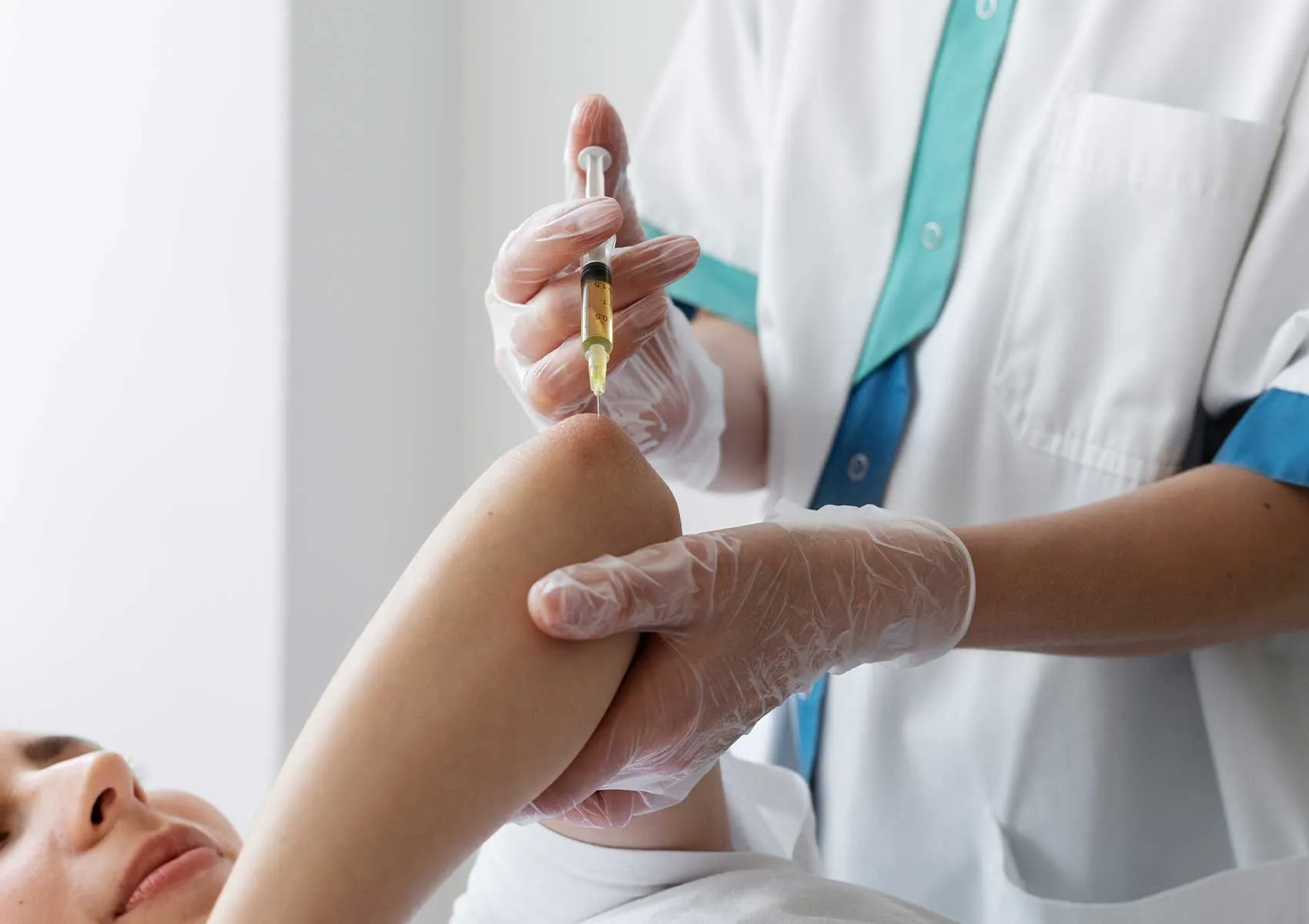
Stem cell therapy is usually performed under local anesthesia via direct injection into the affected joint. Arthroscopy-assisted applications are also possible, allowing better assessment of damage and concurrent surgical intervention if necessary. Prior to treatment, a thorough evaluation of the patient's overall health, degree of joint damage, and expectations is essential.
Combining stem cell therapy with surgical and conservative methods can yield more successful outcomes. For example, in osteoarthritis, using stem cells alongside arthroscopic debridement or microfracture techniques has demonstrated significant functional improvements.
Limitations and Future Perspectives
One major challenge in stem cell therapy is the variability in treatment effectiveness among patients. Moreover, exact protocols regarding the source of stem cells, cell dosage, and frequency of injections are still under development. Advances in biotechnology continue to optimize cell manipulation techniques and expand treatment options.
Studies reveal that stem cells not only regenerate damaged cartilage but also modulate inflammation and support the healing of surrounding tissues. This is critical for maintaining long-term joint health.
Recently, integration of exosomes and other cell-derived products into stem cell therapies has been explored, aiming to enhance efficacy. These advancements suggest new horizons in joint regeneration.
Decision-Making in Stem Cell Therapy for Joint Regeneration
Determining the suitability of stem cell therapy for each patient and managing expectations are crucial. In cases of severe joint deformities or advanced age, this treatment alone may be insufficient, and alternatives such as joint replacement surgery should be considered. However, stem cell therapy offers significant benefits in early-stage cartilage damage and inflammatory reactions.
Patients should be informed that stem cell treatment is based on scientific evidence but is not a miracle cure. Post-treatment rehabilitation including physical therapy and lifestyle modifications is important to support recovery.
FAQ
-
Does stem cell therapy completely heal joint damage?
Stem cell therapy significantly contributes to joint repair but does not guarantee complete healing in every case. Treatment effectiveness varies between individuals and is often combined with conservative or surgical methods.
-
For which joint diseases is stem cell therapy used?
It is commonly applied for osteoarthritis of large joints like the knee and hip, meniscal tears, cartilage injuries, and inflammatory conditions. It is also favored as a supportive treatment in sports injuries.
-
What is the recovery process after treatment?
Patients may experience mild pain and discomfort after treatment. Rest for 1-2 days is recommended, followed by a controlled physical therapy program. Full functional recovery can take weeks to months.
-
Where are stem cells harvested from?
Stem cells are typically obtained from the patient’s bone marrow or adipose tissue. After isolation, the cells are injected into the joint.
-
Is stem cell therapy risky?
Generally, it is a safe procedure. Rare complications include infection, pain, or allergic reactions at the injection site. Treatment must be performed by experienced specialists.